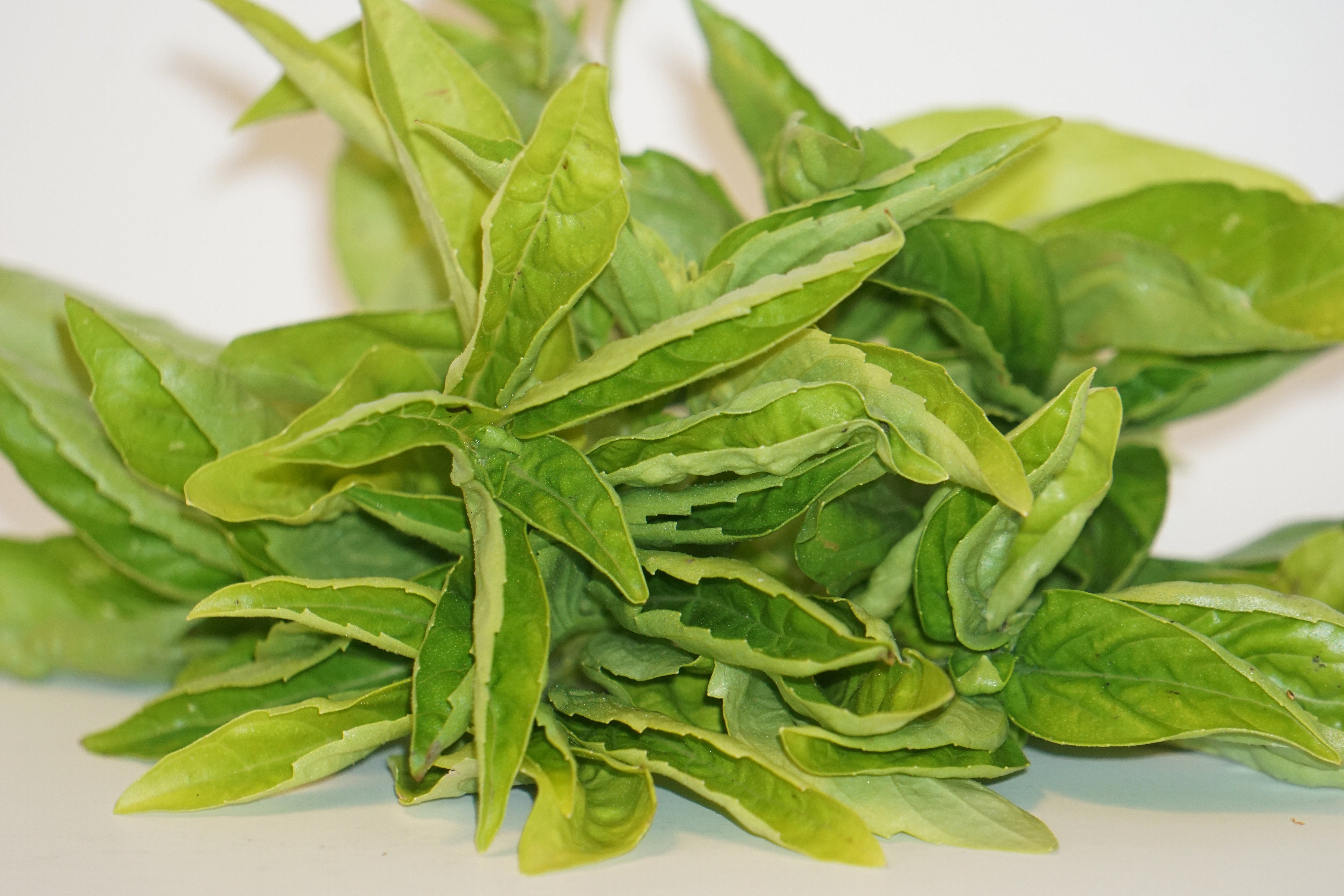
Vietnamese cuisine is special in that it rarely lacks fresh herbs. A plate of assorted raw herbs beside a bowl of noodles, a few sprigs of cilantro sprinkled over a soup, or a stalk of holy basil in a bowl of pho all give a dish its soul.
Yet many people still confuse the different herbs and do not know which suits which dish. Understanding each herb, its aroma and how to use it will help you combine them more skillfully, turning an everyday meal into something more refined.
The familiar herbs of the everyday meal
Green onion and cilantro are the two most common, usable in almost any dish. Green onion is sprinkled over soups, porridge and stir-fries to bring out the aroma; cilantro, mildly fragrant, suits noodle-soup dishes and fresh rolls. Both are easy to grow right in a small pot on the balcony.
Sawtooth herb has serrated leaves and a stronger smell than cilantro, perfect for sour soups, pho and hotpot. Dill is tied to fish dishes, riverine crab soup and grilled fish, helping remove the fishy smell and creating a signature aroma. Master this basic set of herbs and you have enough for most everyday dishes.
The basils and perilla
The basil family is very diverse. Thai basil has a warm, pungent aroma, suited to pho, bun bo and fresh rolls. Spearmint is cool and fragrant, used for salads and served with boiled meat. Indian borage has a mild pungency, often used in a few rolled dishes and in folk remedies for coughs.
Perilla has distinctive purple leaves and a warm fragrance, suited to snail dishes, porridge and served with bun dau mam tom. Vietnamese balm, strongly fragrant, usually pairs with perilla on the plate of raw herbs. These herbs not only add aroma but many also aid digestion and help relieve colds.
Herbs for rolls and salads
Rolls and salads are where herbs shine. Besides lettuce and the various basils, you cannot go without Vietnamese coriander with its slightly spicy, pungent taste, perfect for balut, chicken salad and seafood dishes. Fish mint, though not to everyone’s liking because of its distinctive fishy smell, is the soul of many southern plates of raw herbs.
Wild betel leaf and lolot are also special herbs: wild betel leaf is used to wrap fragrant grilled meat, and lolot is eaten with dog meat, salads or fried eggs. When making rolls, combine several herbs so each roll has a full range of fresh, spicy, astringent and fragrant flavors.
Prepping and storing herbs
Herbs wilt easily, so they need to be stored properly. After buying, pick off any wilted leaves, and do not rinse them right away if you are not using them yet, since trapped water makes them spoil faster. Wrap the herbs in dry paper towels, put them in a container or bag, and keep them in the fridge to last a few days.
When using them, rinse gently under running water and soak in a mild salt solution for a few minutes, then lift out to drain. Do not crush them hard, which bruises the herbs and dulls their aroma. For frequently used ones like green onion, cilantro and basil, growing a few small pots at home is a convenient way to always have fresh herbs on hand.
Pairing herbs harmoniously
Herbs are at their best when paired in the right place. The general principle is that strongly flavored dishes need balancing herbs: rich, protein-heavy dishes go well with cool, minty herbs to cut the heaviness, while noodle-soup dishes need herbs that add warm aroma. Do not use too many kinds at once, or their aromas will overwhelm one another.
The timing of adding herbs also matters. For hot dishes, sprinkle the herbs in at the very end or as you serve, to preserve their aroma and green color. Herbs added too early turn mushy and lose their fragrance. A little finesse in choosing and adding herbs at the right moment will lift the whole dish.
Growing herbs in a small space
You do not need a big garden to have clean herbs. A few small pots on the balcony, a windowsill or a corner of the yard are enough to grow green onion, cilantro, basil and perilla. These are hardy, resistant to pests and quick to harvest, needing only loose soil and a little gentle sunlight each day.
Growing herbs at home is both convenient for picking when needed and reassuring about their cleanliness, plus it adds a touch of green to your living space. Many, like green onion and basil, can be regrown from the root ends bought at the market, just stick them in the soil and they sprout. With regular watering and frequent picking, you will always have a handful of fresh herbs on hand to brighten your meals.
Herbs are a small gift of nature that shapes the identity of Vietnamese cuisine. Just a few sprigs of the right herb are enough to make a meal far more fragrant and complete.
Try paying more attention to the plate of herbs beside your meal, learning to recognize each kind and how they match different dishes. It is a delightful way to understand and love the Vietnamese kitchen even more.