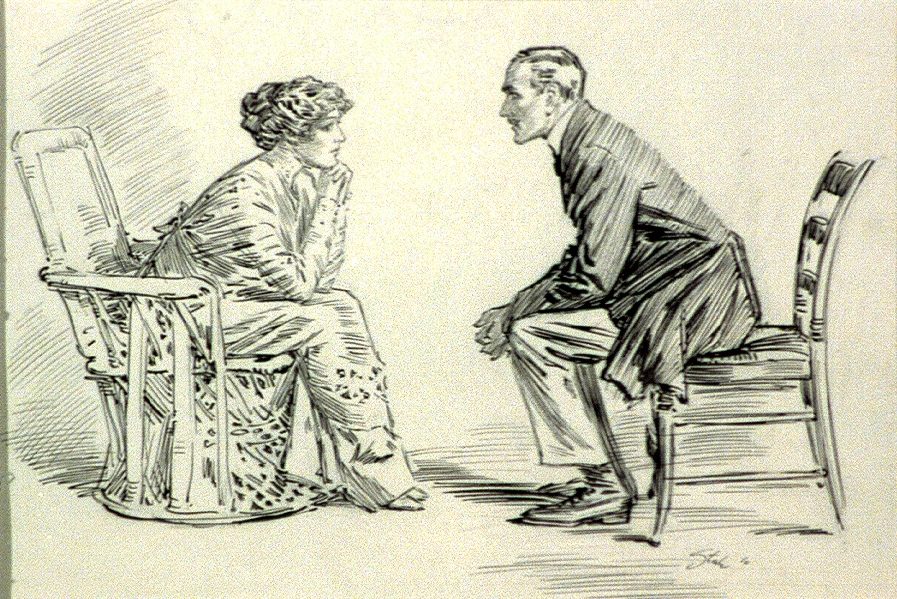
We are praised for having answers, so we grow up quick to answer. Yet the thoughtful people we admire are rarely the ones who talk most; they are the ones who ask questions that make others pause and think.
Asking good questions is a skill you can train. It not only helps you learn more, but also gives the person across from you the feeling of being truly heard.
Why we hesitate to ask
Many fear that asking will reveal what they do not know. In a meeting, we nod along without understanding, just to avoid looking weak.
But the truly confident are comfortable asking, because they care more about understanding correctly than saving face. An honest question is usually respected, not looked down on.
Open questions versus closed ones
A closed question gets only a yes or no, and the conversation stops there. An open question, starting with how or why, invites the other person to say more.
Instead of asking are you okay, try asking how have you been lately. Change a few words and you open a door rather than close one.
Ask one layer deeper
The first answer is usually the surface. When someone says they are fine, one gentle follow-up often reaches the truer thing lying underneath.
The habit of asking one layer deeper applies to yourself too. When you feel uneasy, do not stop there; ask what is really bothering you.
Stay silent after asking
Many people, having asked, rush to fill the silence or answer for the other person. A short pause after a question gives them time to actually think.
Practice tolerating those few awkward seconds of quiet. The most valuable answer often arrives right after that pause.
Ask to understand, not to rebut
Some questions are only traps meant to prove a point, and the listener senses it. A genuine question comes from curiosity, not from a wish to win.
Before asking, check your motive: do you want to understand this person, or want them to admit you are right? That difference decides the quality of the conversation.
In a world where everyone rushes to give opinions, someone who asks good questions becomes rare and valuable. Asking well is not about looking clever, but about coming closer to the truth and to each other.