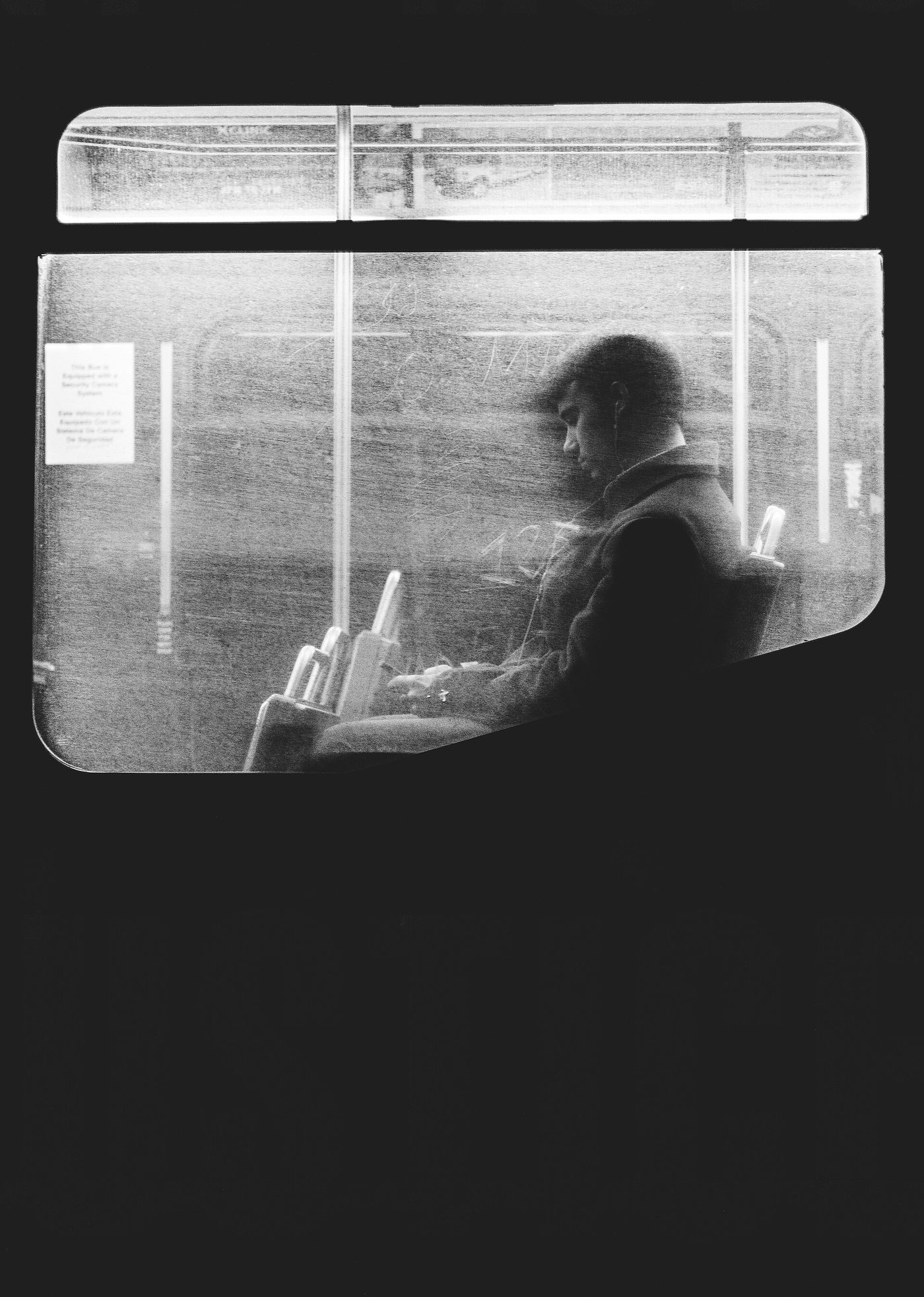
Many people dread the evening when no one is around, the meal eaten alone, the silence when the phone stays dark. The fear is understandable, but it keeps us endlessly filling the gaps, and rarely truly resting.
Being alone is a skill, not a sentence. Once you learn it, the emptiness fades and what remains is simply being yourself, with no one to perform for.
Loneliness and solitude are not the same
Loneliness is the feeling of missing connection, even in a crowded room. Solitude is simply having no one beside you for a moment. You can be alone and deeply at peace, or sit at a party and feel adrift.
Seeing this difference calms the panic of an empty house. The issue is not how many people surround you, but the quality of the relationship you have with yourself.
Why we flee from silence
When there is nothing to do, the thoughts we avoid rise up: an unsaid word, a worry about the future, an old regret. Opening a video or scrolling a feed is the fastest way to push them off.
But pushed-away thoughts do not vanish; they simply wait for another moment to return. Solitude lets us look at them directly, and often, on closer inspection, they are smaller than we feared.
Start with short stretches
You do not need a distant trip or a full day of silence. Try fifteen minutes of coffee without your phone, or a walk with no earbuds. Notice what your mind reaches for.
At first it feels uncomfortable, like a muscle long unused. After a few tries, that quiet begins to feel good, even something you look forward to in the day.
Befriend yourself
Solitude is easier when you treat yourself like a kind friend rather than a judge. Instead of scolding yourself the whole time, ask one simple question: how do I actually feel today?
Write a few lines, cook a dish you like, listen to an old song all the way through. These small acts remind you that time alone deserves care too, not just waiting for it to pass.
Return to others steadier
People who can be alone tend to cling less in their relationships. They come to others because they want to, not because they fear the emptiness. That makes closeness feel lighter.
Think of time alone as recharging, not punishment. Once refilled, you have more to give when you are with the people you love.
Being alone is not the opposite of love and connection; it is the foundation for both. When you stop fearing your own silence, you gain a friend who is always there: yourself.