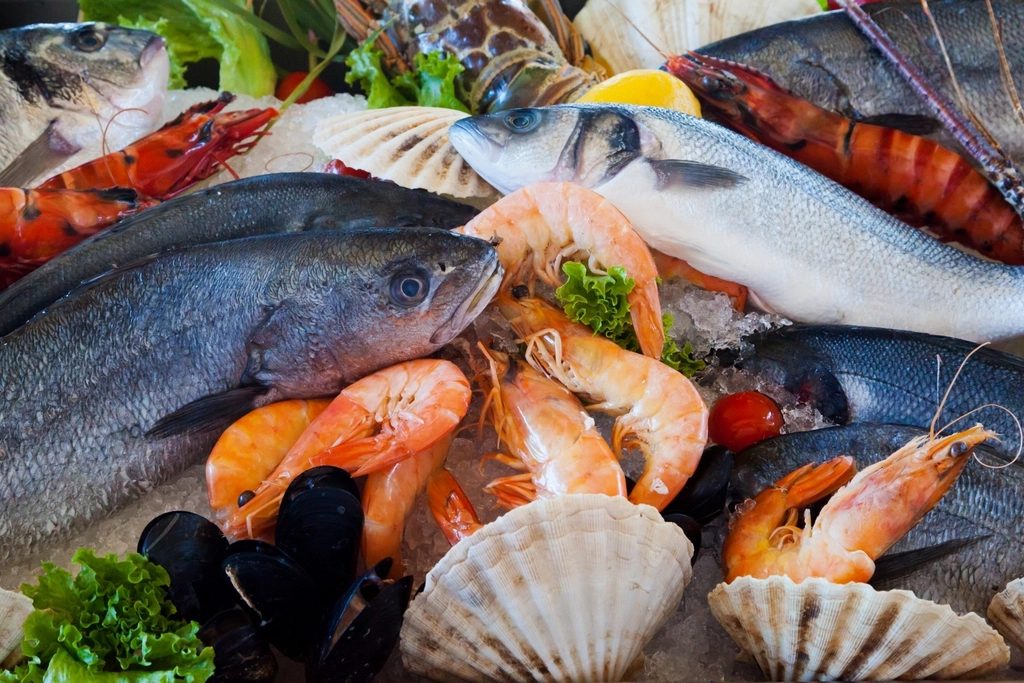
Seafood is a favorite in many families, but not everyone feels confident preparing it at home. The fishy smell, grit and slime make many people reluctant to cook, settling for eating out instead. In fact, with just a few basic tips, you can clean and deodorize seafood neatly and easily.
Preparing it properly not only makes the dish delicious but also ensures safety and preserves the natural sweetness of the seafood. Let us go over how to handle each familiar type in a family meal.
Choose fresh seafood from the start
Whether the preparation is easy or not depends heavily on the freshness of the ingredients. The fresher the seafood, the less fishy it is and the less it needs handling. For fish, choose those with clear eyes, bright red gills and firm flesh. Shrimp should still have their heads, with clear shiny shells and no slime.
Fresh squid and octopus have a bright color, a firm body and a mild sea smell rather than a strong one. Clams, cockles and snails should still be alive, holding their mouths shut or closing up when touched. Choosing fresh ingredients means half the work is already done.
Cleaning shrimp, fish and squid
For shrimp, you should remove the black vein along the back because this part easily causes odor and is not clean. Pull off the head or gently hook the vein out with a toothpick. Fish need to be scaled, with gills and guts removed, and the black membrane inside the belly scraped clean, as it is a source of fishiness and bitterness.
Squid needs the ink sac, the transparent backbone and the outer membrane pulled out if you want the flesh to look white and nice. Rinse several times under running water until the slime is gone. Doing this step thoroughly makes the dish more fragrant and clearer after cooking.
Natural ways to remove the fishy smell
There are many familiar ingredients that effectively remove the fishy smell. Crushed ginger, wine, salt, lime or vinegar are all powerful helpers. You can rinse seafood in water mixed with a little salt and ginger, or gently rub it with lime and then rinse it clean.
For fish, rubbing salt and ginger over the body and then rinsing clean will greatly reduce the fishy smell. Soaking seafood briefly in water mixed with a little wine or diluted vinegar also helps remove the odor. Note that you should not soak it too long, to avoid making the flesh mushy and losing its sweetness.
Cleaning grit from clams, cockles and snails
Clams, cockles and snails often hold a lot of grit, and if not handled carefully they will leave the whole pot of soup gritty. A common method is to soak them in rice-washing water or diluted salt water for a few hours so they release the grit. Adding a few slices of chili is also used by many people to make them release it faster.
While soaking, you should change the water a few times when you see it turn cloudy. Then scrub the outer shells clean before cooking. Patience at this step gives you a bowl of sweet clam soup without unpleasant grit.
Store it properly if not using right away
If you are not cooking immediately, seafood needs careful storage because this is a food group that spoils very quickly. After cleaning, you should let it drain, divide it into portions enough for each meal, and then freeze it. This helps keep the freshness and makes it convenient to take out and use gradually.
When thawing, it is best to move it to the fridge’s cool section in advance rather than leaving it at room temperature too long. Thawing slowly helps preserve the flesh’s texture and limits bacterial growth. Seafood that has been thawed should be cooked completely and not frozen again.
Preparing seafood is not as daunting as many people think. With just fresh ingredients, thorough cleaning and a few tips for removing the fishy smell, you can confidently show off your skills with seafood dishes at home. Try applying this to your next meal, and you will find that cooking seafood is actually quite light and easy.