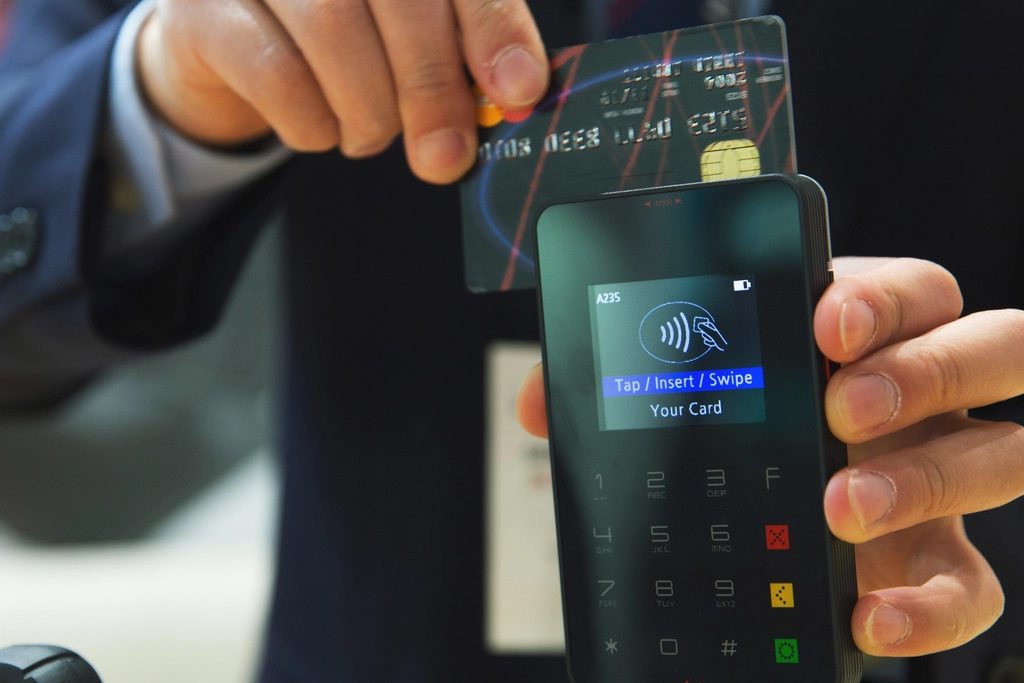
Cashless payment is now a way of life: scan a code, tap a card, press a few buttons on a phone. The convenience is undeniable, no pulling out a wallet, no worrying about change, everything neatly recorded.
But that very convenience has a rarely mentioned downside. When money is just a number changing on a screen rather than paper leaving your hand, the brain barely feels the sting of spending, and we spend more than we think.
Why cashless is easier to spend
Behavioral research has long shown people spend more paying by card than by cash. Handing over a note creates a clear sense of loss, while tapping a card almost none.
When the gap between wanting and paying shrinks to a single tap, impulsive decisions become easier. Understanding this mechanism is the first step to not being led by convenience itself.
Set limits and alerts
Most banking and wallet apps let you set spending limits and turn on alerts when you cross a threshold. Use these tools to create the stopping point cash naturally provides.
Setting an alert when monthly spending hits a certain level makes you look up at the right moment. These small guardrails partly replace the sense of loss that tapping a card takes away.
Use the automatic record to your advantage
The upside of cashless is that every transaction is recorded, something cash can’t do. Instead of letting that data sit idle, review it actively to understand your spending habits.
Many apps auto-categorize spending. Spending a few minutes each week to look back turns this built-in transparency into a management tool, rather than lines of forgotten data.
Beware quick-buy buttons
Saved cards, one-tap purchases, payments without entering a code, all designed to make buying as easy as possible. That’s exactly why they also make impulse buying as easy as possible.
Consider removing saved cards on shopping sites you visit often. Re-entering details each time creates a small pause, enough to ask yourself whether you truly need this item.
Combine both when you need more discipline
For easily-overspent categories like eating out or small purchases, some find cash more effective. Withdrawing a fixed cash amount for that category each week creates a tangible limit.
When the envelope runs dry, you know you’ve hit the ceiling, a clear signal a screen figure struggles to give. Flexibly combining digital convenience with the discipline of cash lets you enjoy the best of both.
Cashless payment is a wonderful tool, and like any tool, its value depends on how we use it. When you recognize it can nudge you to overspend and set up a few guardrails, you keep both the convenience and control of your wallet.