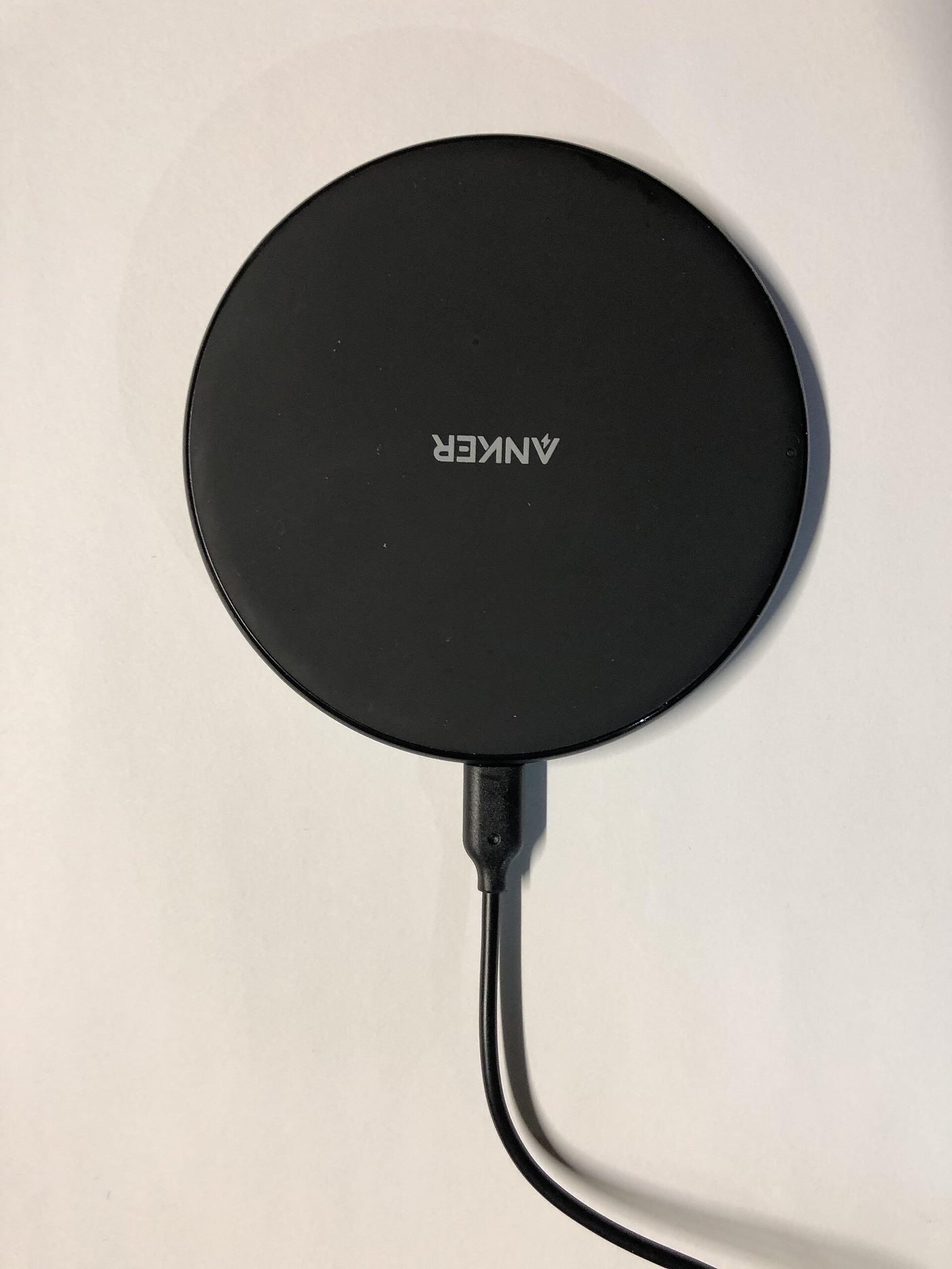
Set your phone on a pad and it charges itself, no tangled cables, which sounds appealing. But wireless charging still raises questions: does it wear the battery faster, does it use more power, and is it worth switching to.
The answer is not simply good or bad, but depends on how you use it. Understanding how wireless charging works helps you enjoy the convenience while avoiding groundless worries.
How wireless charging works
Wireless charging relies on electromagnetic induction. A coil in the pad creates a magnetic field, and a coil in the phone catches that field and turns it into current that charges the battery. The two devices touch no wire but still transfer energy.
Because the energy passes through air and a casing, this process is slightly less efficient than charging by cable. Some electricity turns into heat instead of reaching the battery, which is why phones tend to run warmer on wireless charging.
The battery wear question: where the truth lies
The factor that harms a battery most over time is high temperature, not wireless charging itself. Because wireless charging gives off more heat, if the pad and phone do not dissipate it well, the battery may degrade a little faster.
Still, this difference is usually small and not worth panicking over. A quality pad has a heat-dissipating design, and modern phones self-regulate the charging current to keep heat in a safe range. Charging in a cool room and avoiding heavy gaming while charging is enough for peace of mind.
When wireless charging is worth using
Wireless charging shines for convenience during breaks. Set the phone on a pad at your desk whenever you are not using it, and it keeps topping up without any plugging in. The charging port also wears less because you cable up less often.
It is less suited to when you need a quick charge before heading out, since cables are usually faster. Think of wireless charging as a way to keep the battery topped off in idle moments, while a cable remains the more sensible choice when you need power in a hurry.
Common misconceptions
Many think wireless charging heats the phone to dangerous levels, but in reality the heat protection inside the phone will reduce current or stop charging before reaching that point. A warm phone is normal; unusually hot is what to worry about.
Another misconception is that only an expensive pad is safe. More important than price is a pad meeting a common standard with certification, along with placing the phone correctly. Misalignment makes charging slower and hotter, a common cause of a bad experience.
Habits that keep wireless charging durable and efficient
Remove overly thick cases or ones with metal parts when charging wirelessly, since they block the field and cause heat. Center the phone on the pad so the two coils align, which transfers power most efficiently.
Place the pad somewhere ventilated, avoiding stuffy spots like under a pillow or in a closed drawer. With these small precautions, wireless charging is entirely a healthy convenience for your battery, not the silent enemy rumor makes it out to be.
Wireless charging is neither a miracle nor a battery killer. It is a convenient way to charge with a small trade-off in efficiency and heat, fully manageable with a few simple habits. Use it for idle moments and keep the phone cool, and you will enjoy the convenience with nothing to worry about.