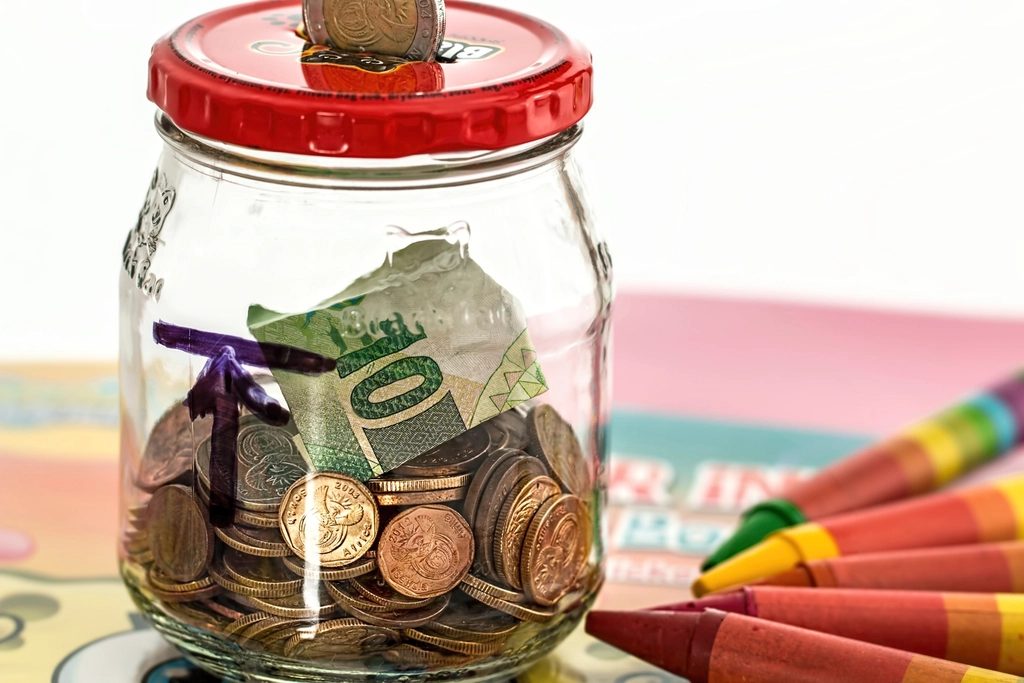
Many people believe that to become financially secure, they need one big breakthrough: a sudden jump in income, a rare opportunity, or a bold decision. But in reality, most people who feel at ease about money got there through very small things, repeated so often they became almost invisible.
Habits are what run our lives once willpower runs out. If you build the right money habits, you don’t have to keep straining to make decisions; a good system runs itself and carries you forward even on the days you’re not thinking about money at all.
Why Small Things Matter More Than We Think
A small action done just once is almost negligible. But multiply it by hundreds of times over many years and the result becomes astonishing. This is exactly why habits that seem trivial can carry such weight for your wallet.
The same holds true in the opposite direction. A small but misguided spending habit, repeated long enough, can quietly erode your ability to save. Recognizing the power of repetition helps you take your small everyday choices more seriously.
A Few Minutes a Day to Look at Your Money
One simple yet effective habit is spending a few minutes each day glancing over what you’ve spent. The point isn’t to judge yourself but to stay aware. When you regularly look at your money, it’s harder for it to slip away without your noticing.
That steady attention creates a gentle kind of discipline. You gradually notice which expenses bring you real joy and which are just out of habit. It’s this awareness, rather than strictness, that helps you spend more consciously.
Make the Good Thing the Default So You Don’t Have to Remember
The most sustainable way to keep a good money habit is to make it happen on its own, without you having to remember. When part of your income moves into savings the moment it arrives, you no longer have to wrestle with the urge to spend every month.
The principle here is to reduce friction for the good thing and add friction to what tends to leave you regretful. Make savings a little harder to withdraw, make impulse purchases pass through a few steps of thought, and you’ve quietly tilted the scales in your own favor.
Anchor New Habits to Ones You Already Have
A new habit takes root more easily when it’s anchored to something you already do. For instance, every evening after washing the dishes, you quickly jot down the day’s expenses. The old routine acts as a natural reminder for the new one.
This way you don’t have to rely on memory or motivation, both of which are unreliable. After a few weeks, the new action becomes part of a familiar chain, and you carry it out almost without thinking.
Be Patient With the Results Curve
The hardest part of small habits is that the results come slowly. In the first weeks you barely notice any difference, and this is exactly when many people give up. But the real value of a habit lies in how it compounds over time.
Focus on keeping the action going instead of anxiously watching the numbers. If you can hold the rhythm long enough, a day will come when you look back and are amazed at how far you’ve traveled on nothing but very small daily steps.
You don’t need to overhaul your entire financial life overnight. Just choose one small habit, easy enough that you can’t refuse it, and repeat it until it belongs to you. The future of your money is built from those tiny bricks, laid down patiently one day at a time.