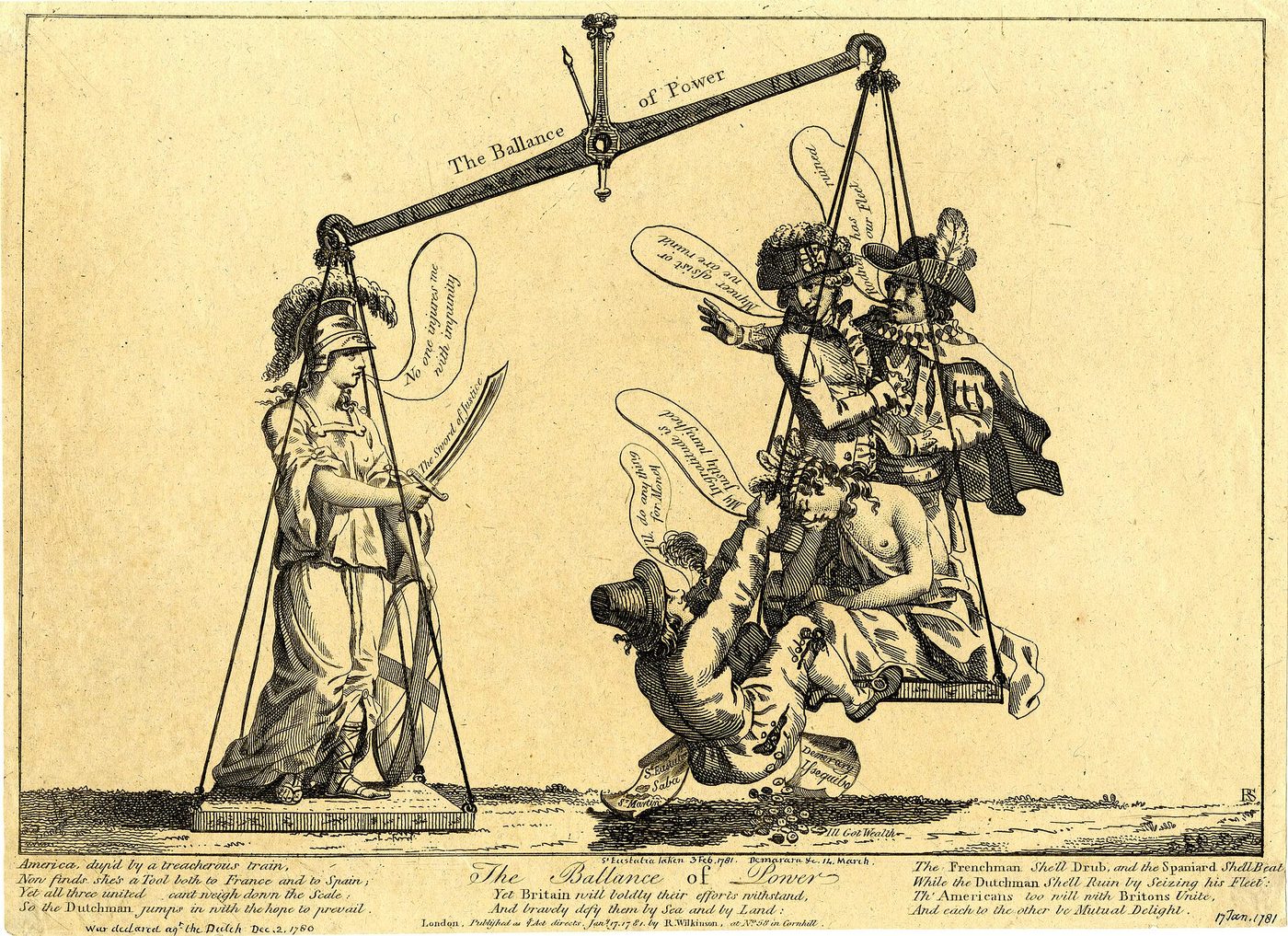
People carrying debt are often torn between opposite advice: pour everything into paying it off fast, or keep some savings for a rainy day. Both make sense, and choosing either extreme carries risk.
Clearing debt with nothing set aside means one small mishap sends you borrowing again. Conversely, saving hard while high-interest debt keeps compounding is also a loss. Balance is the practical path.
Build a minimum cushion first
Before throwing everything at debt, set aside a small buffer, say one month of basic living costs. This is not a full emergency fund, just minimal protection.
With no cushion, a broken-down car or a small medical bill forces you back into borrowing, erasing the progress you just made. A modest buffer keeps that loop from repeating.
Let interest rates decide
Interest rate is your compass. Credit card or consumer debt at a very high rate usually deserves priority, because it erodes faster than any savings can earn.
If card debt costs 25 percent a year while savings earn 5, every dollar of repayment here is like an investment returning 25 percent, a rate few channels can match.
Split by proportion
Once the minimum cushion is in place, you needn’t pour everything into debt. You can divide the surplus, say 70 percent to debt and 30 percent to keep building the safety fund.
The ratio depends on the interest rate and your level of worry. The higher the rate, the more you lean toward repayment. But a steady flow into savings keeps you from feeling every effort just fills a hole.
Keep momentum with milestones
Balancing two goals can make both crawl and leave you discouraged. Set small milestones, like clearing the smallest debt first, to create a sense of victory that keeps you going.
Seeing a debt vanish from the list has a strong psychological effect. It reminds you the plan is working, and that feeling sustains persistence better than any dry number.
Revisit as circumstances change
When the highest-rate debt is cleared, move that money to the next one or add it to savings. A plan shouldn’t stand still once the situation differs.
Likewise, if income rises or a bonus arrives, decide in advance how to split it between debt and saving. Deciding with a clear head keeps you from spending a windfall in haste.
Repaying debt and saving are not enemies; they are two sides of the same financial safety. Rather than picking one and regretting it, allocate calmly so both inch forward.