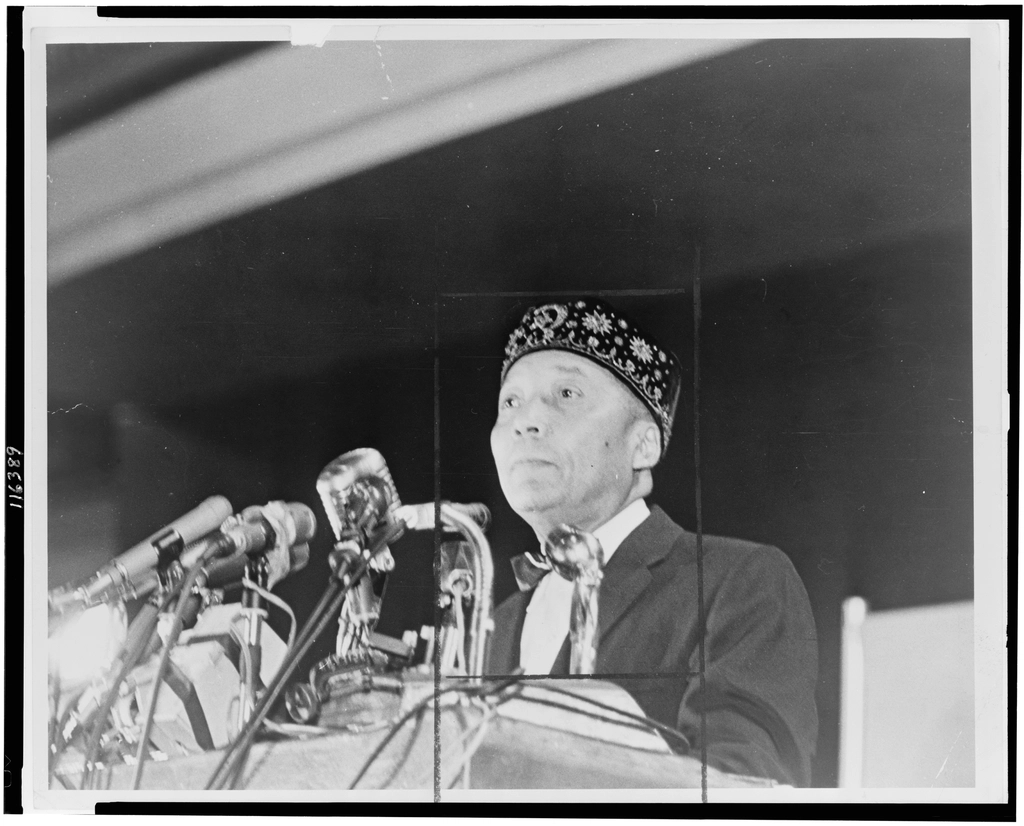
A racing heart, cold hands, a trembling voice when standing before a group of people, almost everyone has felt it. This fear runs so deep that many surveys find people fear public speaking more than many fears that seem far greater. It is not a sign of weakness, but a deeply human, instinctive response.
The good news is that public speaking is a skill, not an innate gift. Those you see looking confident on stage mostly once trembled just like you, and they became comfortable through practice and a few simple principles. This article does not promise to turn you into an outstanding orator, but to help you speak clearly, calmly and be heard.
Understand nervousness correctly
The first thing to realize is that nervousness is not an enemy to be destroyed. A quickened heartbeat and rapid breathing are the body’s way of mobilizing energy to handle an important situation. Even seasoned speakers still feel nervous; they have simply learned to interpret the feeling differently.
There is a simple but effective psychological trick: instead of telling yourself you are anxious, say you are excited. Physiologically, the two states are very similar, both being heightened energy. Naming it excitement helps the brain channel that energy into performing rather than into fear.
At the same time, remember that the audience can hardly see the nervousness inside you. The sensation of a pounding heart is very clear to you but invisible to others. They only see a person trying to share something, and most of them want you to do well rather than lying in wait for you to slip.
Preparation is the foundation of confidence
Much of the fear comes from a feeling of not being in control, and the best way to counter it is to prepare thoroughly. When you truly master what you are going to say, a large layer of anxiety dissolves on its own, because you know that even if you tremble a little, you still know what you are talking about.
Preparing does not mean memorizing every word. Memorizing is actually dangerous, because forgetting a single line breaks the whole flow and throws you into panic. Instead, master the structure: which main points you want to guide your listeners through, and in what order. With a solid framework, you can express yourself naturally in your own words.
Practicing out loud, ideally standing as if actually presenting, is far more valuable than just reading silently in your head. Speaking aloud helps you catch the rough spots, gauge the timing, and get used to the sound of your own voice. After a few such rehearsals, the real presentation will feel like a familiar repetition.
Speak to people, not to a crowd
The word crowd is frightening in itself, because it conjures a faceless mass passing judgment. But in reality a crowd is only a gathering of many individuals, each with their own concerns and most with goodwill. When you think of them as specific human beings, the fear diminishes considerably.
A helpful technique is to pick a few friendly faces scattered around the room and speak to each in turn as if in conversation. This makes your gaze more natural, your voice warmer, and you feel as if you are sharing with friends rather than facing a tribunal.
Remember that your purpose is to help your listeners understand or feel something, not to prove yourself clever. When the focus shifts from you to them, from “how do I look” to “are they getting value,” the pressure about yourself lightens a great deal.
The power of silence and pacing
Beginners often fear silence and so speak rapid-fire, filling every gap with filler words. But silence is a powerful tool. A brief pause after an important point gives listeners time to take it in, and gives you time to breathe and think.
Don’t be afraid to speak slowly. When nervous, we tend to speed up, and listeners struggle to keep up. Deliberately speaking slower than feels natural is often just right for the audience. Speaking slowly also signals composure and self-control, even when inside you are not quite there yet.
The breath is the anchor of the voice. Before you begin, take a deep breath and exhale slowly. While speaking, allow yourself to pause and draw breath. A trembling voice often stems from shallow breathing; regulating your breath is the most direct way to steady it.
Open and close in a way that leaves a mark
Listeners remember the beginning and the end of a talk most vividly. So it is worth investing carefully in these two parts. A good opening need not be elaborate; it only needs to make listeners want to hear more, perhaps through a question, a short story, or something surprising and relevant to them.
Avoid opening with apologies or hedges like “I’m not a good speaker, please bear with me.” Such lines only lower you in the listeners’ eyes and draw their attention to your flaws. Go straight into what you want to share with just enough assurance.
The closing should wrap up your main message clearly, so listeners leave with the core idea. Don’t let the talk trail off and end limply with something like “well, that’s about it.” A tidy closing line that restates the most important point leaves a strong impression and shows that you are in command of your presentation.
No one is born confident in front of a crowd. Ease comes from doing it again and again, a little at a time. The first time you may tremble; by the tenth it is far more comfortable, and you realize the sky does not fall even with a few stumbles.
Look for small chances to practice, a comment in a meeting, a few words shared in a group. Every time you stand up to speak, you teach your brain that this is not as frightening as it feared, and gradually the fear gives way to calm.