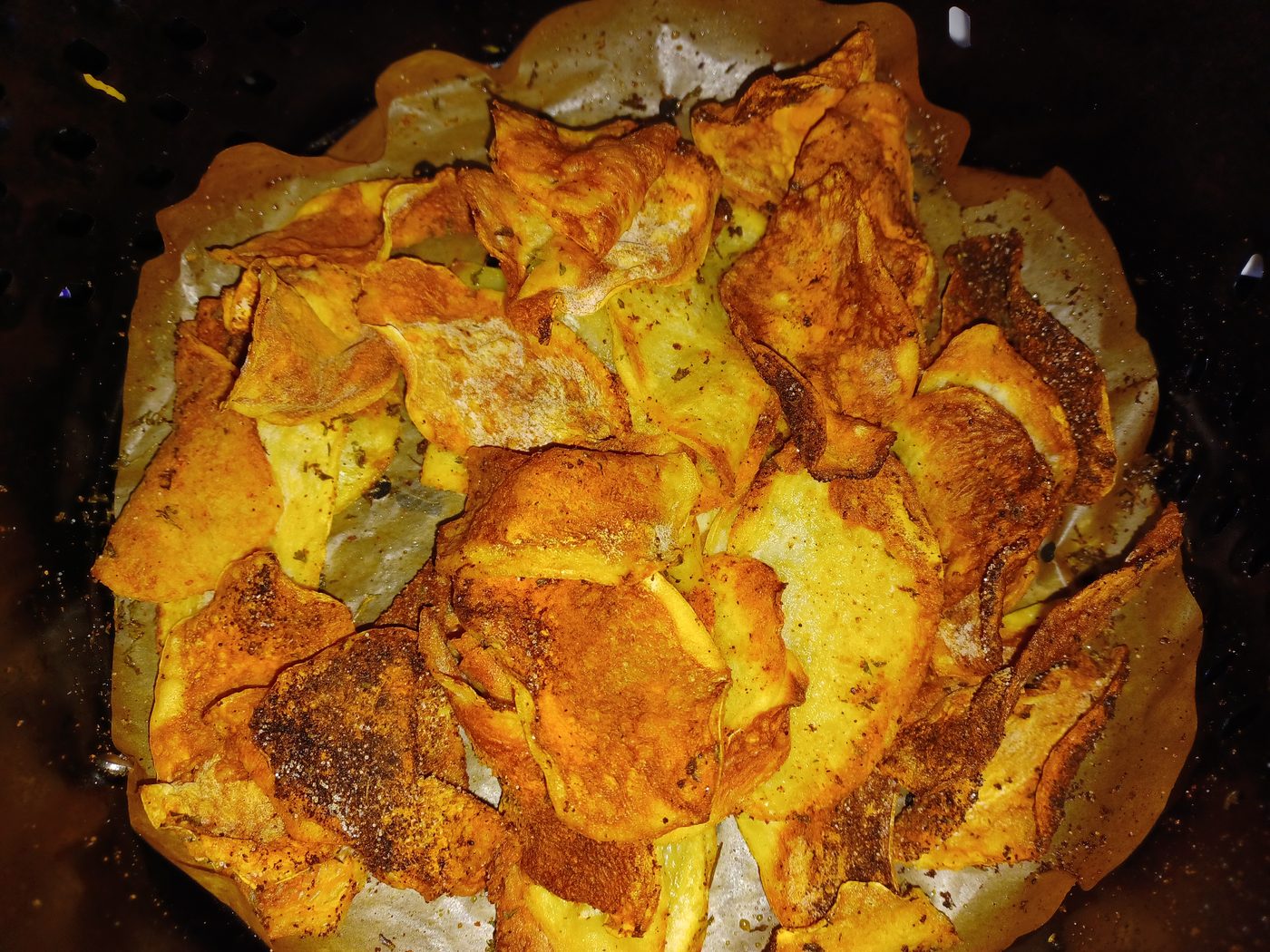
The air fryer has become a familiar friend in many kitchens thanks to its convenience and lack of oily smoke. But quite a few people buy one and then feel lost, with some dishes coming out dry and tough, others cooking unevenly, or not knowing what temperature to set. The result is a fryer tucked away in the back of a cupboard.
In fact, once you understand a few principles about how the fryer works, you can draw out plenty of tasty dishes from it, from crispy chicken wings and roasted vegetables to a quick breakfast, almost without any oil at all.
Understand how the fryer cooks food
An air fryer is essentially a miniature oven that blows hot air forcefully around the food, creating a crispy crust like frying without submerging anything in oil. Precisely because it relies on circulating air, the food needs to be arranged with space so the heat can reach every side.
If you cram the basket full, the middle will steam instead of crisp. For large amounts, it is best to cook in several batches or flip the food halfway through. A little patience yields a much more evenly golden and crispy result.
A little oil is still needed for crispness and aroma
It is called oil-free, but in reality a thin layer of oil still helps food crisp up nicely and keeps it from drying out. You only need a brush or a spray bottle to coat a very thin layer over the surface of the food, instead of pouring in oil the way traditional frying does.
For dishes that are already fatty, such as chicken wings or pork belly, you hardly need any extra oil because the fat renders out during cooking. Vegetables or dry foods, on the other hand, should get a light coat of oil to avoid burning at the edges while the inside stays undercooked.
Preheat the fryer and manage the heat well
Preheating the fryer for a few minutes before adding food helps the surface set quickly, locking in the moisture inside and creating a better crispy crust. This is a small step that many people skip, leading to food that comes out less crispy than hoped.
As for temperature, dishes that need a crispy crust and quick cooking, like pre-fried foods, suit high heat for a short time. Thick pieces like chicken thighs or large cuts of meat should have the heat lowered and the time extended so the inside cooks through. If you are not used to it yet, open up to check and flip the food while cooking, and do not hesitate to interrupt the process.
Dishes that beginners can easily succeed with
If you are new to the fryer, you should start with simple dishes like sweet potatoes, cut potatoes, seasonal vegetables or simply marinated chicken wings. These are hard to ruin, come out crispy and delicious, and help you get a feel for how the fryer behaves.
Once you feel more confident, you can try reheating leftovers to make them crispy again, roasting nuts, making a quick breakfast or even baking a small batch of pastries. The air fryer is far more versatile than most of us first imagine.
Cleaning and keeping the fryer durable
After each use, let the fryer cool a bit, then wash the basket and drip tray with warm water and a soft sponge. Avoid scraping the non-stick coating with hard objects, because once this layer is scratched, food will stick easily and the fryer will wear out quickly.
Do not forget to wipe the heating element and the inside of the fryer body clean once it has fully cooled, because splattered grease building up over time can cause a burnt smell every time you turn the machine on. Keeping the fryer clean not only makes it last but also keeps your food fragrant and true to its flavor.
The air fryer is no miracle, but once you understand how to use it, it will make your home meals lighter while still crispy and tasty. Experiment with a few familiar dishes, remember the heat levels that suit you, and gradually you will build a whole list of signature dishes for this fryer.