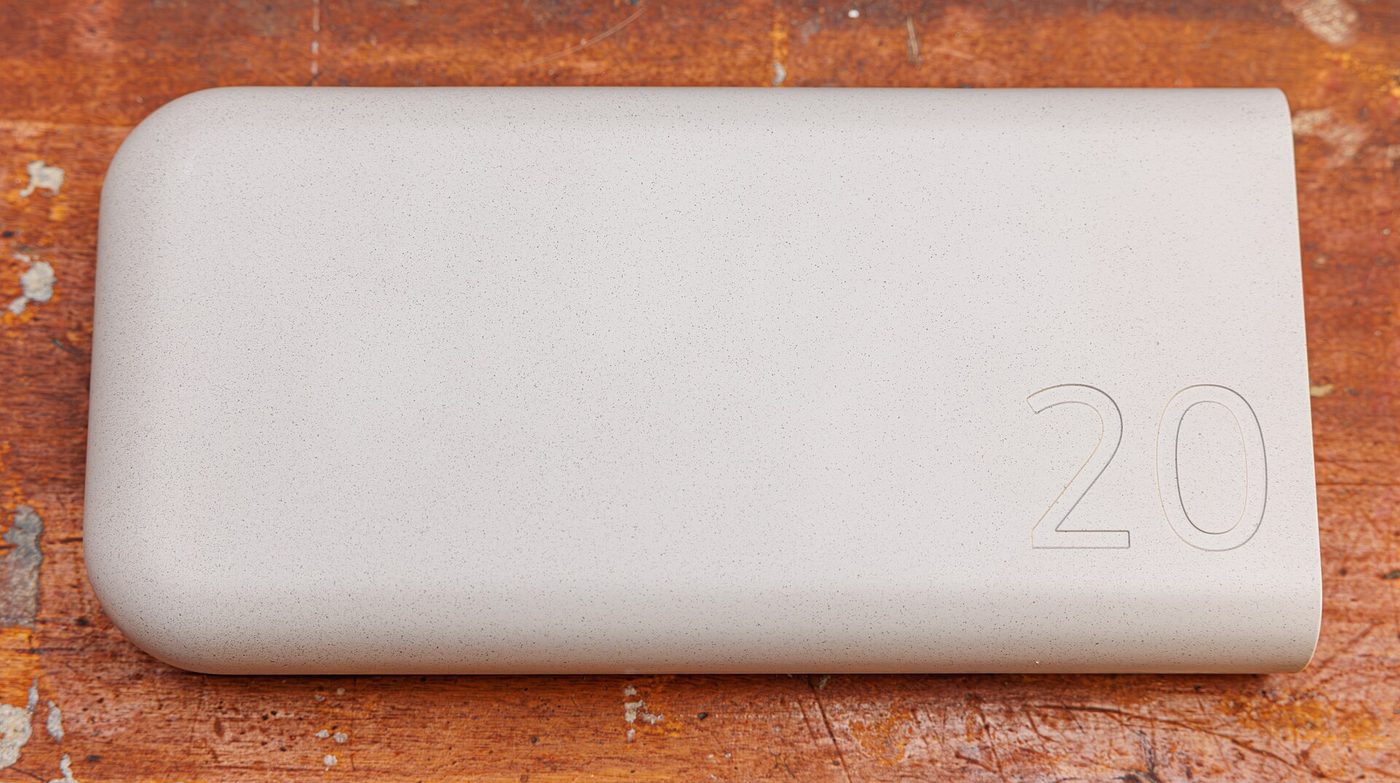
There is always that one afternoon when your phone drops to ten percent right when you need to hail a ride, find your way, or scan a payment code. That feeling of helplessness is why almost everyone ends up owning a power bank. But faced with dozens of options and impressive-sounding numbers, most of us choose on a whim or because the casing looks nice.
In truth, understanding just a few basic specs is enough to tell which power bank truly suits you and which is merely bulky without being useful. This article untangles the concepts that most often cause confusion, so that next time you buy once and use it for a long time.
Real Capacity Is Always Smaller Than the Number on the Casing
The big number you see, say twenty thousand, is the nominal capacity measured by the internal cells. But when the power is transferred to your device, some energy is lost in the conversion. So don’t expect a twenty-thousand unit to charge your phone exactly as a simple division would suggest.
An easy rule of thumb is that you can only use about six or seven tenths of the number printed on the casing. If your phone has a battery of around four thousand, then a ten-thousand power bank will usually give about two and a half full charges in practice. Knowing this in advance keeps you from being disappointed and from buying more capacity than you need.
Pick Capacity by Need, Not by Big Numbers
If you only need to rescue your phone during the day, a compact ten-thousand unit is enough, and it stays light and pocketable. Only those who travel far, go camping, or need to charge both phone and earbuds should consider twenty thousand and up.
Remember that the larger the capacity, the heavier the unit and the longer it takes to recharge itself. A power bank that is too big when you only use a small part of it each day is a wasteful investment, and it makes your bag heavier every time you carry it.
Charging Power Matters as Much as Capacity
Two power banks with the same capacity but different power output give very different experiences. Power, usually stated in watts, decides whether your device charges fast or slow. A unit that supports fast charging can take a phone from empty to over halfway in about half an hour.
To make the most of fast charging, the phone, the power bank, and the cable must all support it. If you use a newer phone with fast charging but plug it into a low-power unit, the speed drops to the weakest link in the chain.
Ports and the Included Cable
These days the port standard is gradually converging on one convenient reversible flat connector, but many power banks still use older ports. Choose one whose ports match the devices you already own, so you don’t have to carry a tangle of different cables.
Some power banks come with a built-in cable attached to the body, which is handy because you can never forget it at home. If you often charge several devices at once, look for one with two or more output ports, but note that the power is usually split between them.
Safety and Lifespan
A power bank is something you keep in your bag, sometimes by your bed all night, so don’t chase a low price at the cost of safety. Choose a product from a clear brand with proper labeling and manufacturer information, and avoid no-name units of unknown origin, because the risk of swelling or overheating is real.
To keep it lasting, avoid letting a power bank run completely flat and then sit unused for months, and don’t leave it baking in the sun inside a car. Using and recharging it now and then keeps the internal cells from aging quickly.
A good power bank isn’t the one with the biggest number, but the one with just enough capacity for your rhythm of life, that charges fast enough, and comes from a source you can trust. Once you understand these few specs, you’ll choose quickly and use it for the long haul, never regretting a wrong purchase.