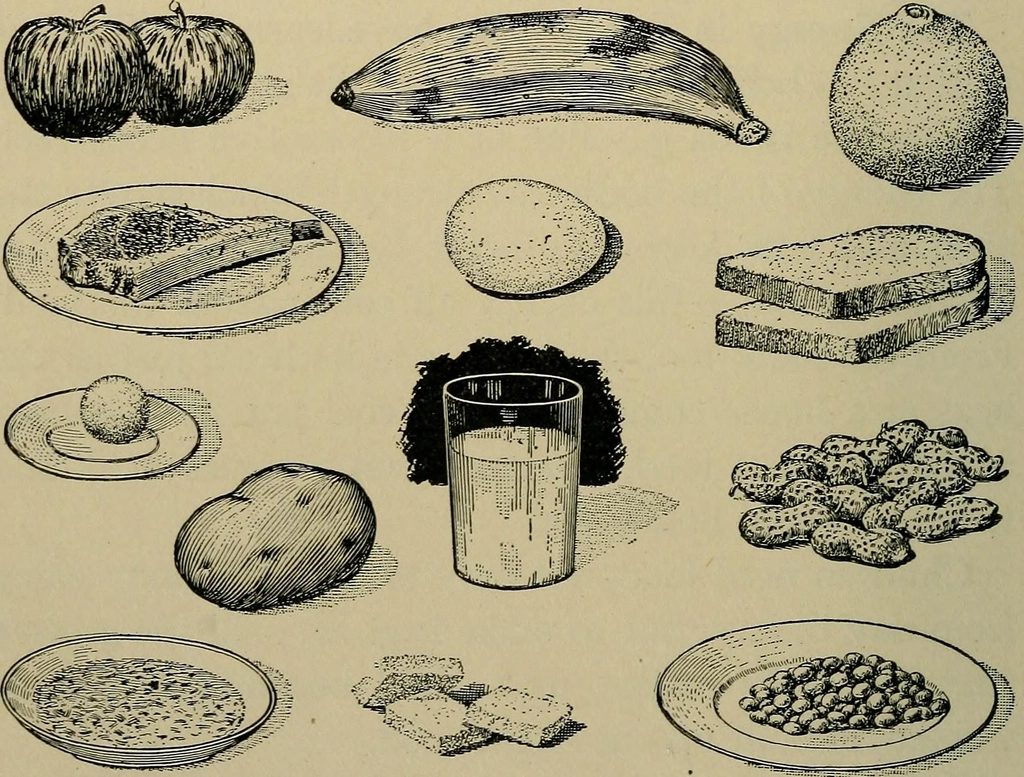
Cholesterol is often cast as a villain, but the body actually needs it to build cell membranes and some hormones. The problem is imbalance, when the harmful type rises and the helpful type falls.
Diet is one factor you can actively adjust. A few sensible changes to your daily meals can help bring the numbers to a healthier place.
Understand the two types of cholesterol
People often speak of good and bad cholesterol to make it easier to picture. The bad type, in excess, can build up in artery walls, while the good type helps carry cholesterol out of the blood.
The goal isn’t to eliminate cholesterol entirely, but to keep the two types balanced. Many eating habits can nudge things in a positive direction.
Limit saturated and trans fats
Saturated fat is high in animal fat, fried food, and some fast food, and can raise bad cholesterol. Trans fat in industrial baked goods and snacks is even more concerning.
You don’t need to cut fat entirely, but choose better sources. Vegetable oils, nuts, and fatty fish provide fats that are healthier for your heart.
Increase soluble fiber
Soluble fiber in oats, beans, apples, and carrots helps reduce cholesterol absorption in the gut. It’s one of the easiest dietary ways to support your cholesterol numbers.
Adding a bowl of oats in the morning or a few bean dishes through the week is a small but effective step. Vegetables and fruit also boost your overall fiber.
Favor healthy proteins
Instead of relying on red and processed meat, add fish, beans, and nuts to your menu. Fatty fish like mackerel and salmon provide heart-friendly fats.
How you cook matters as much as the ingredients. Steaming, boiling, and light grilling are usually better than deep frying, keeping dishes healthier.
Combine movement with regular monitoring
Sensible eating plus regular movement improves cholesterol balance better than relying on one factor. Physical activity can raise the beneficial type of cholesterol.
Because cholesterol causes no clear symptoms, regular testing is the only way to know your numbers. Talk to a doctor if results are abnormal or you’re at cardiovascular risk.
Managing cholesterol is about moderation and persistence more than extreme restriction. This article is for reference, and if you take medication or have an underlying condition, follow your doctor’s guidance.