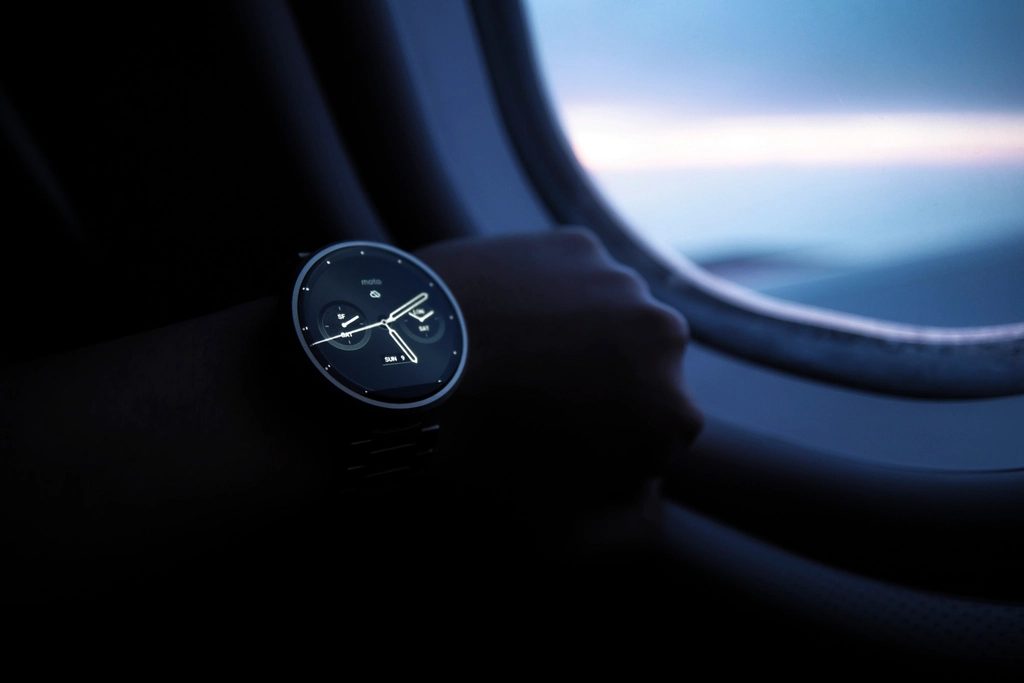
The watch on your wrist is no longer just for telling time. It counts steps, tracks sleep, measures heart rate, and sometimes even flags an irregular rhythm. Many people now make health decisions based on these numbers.
But every tool has its limits. Understanding what a wearable can and cannot measure lets you reap the benefits without falling into excessive worry over a number blinking on the screen.
What they actually measure
Most wearables use light sensors shining into the skin to estimate heart rate and blood oxygen saturation. Motion sensors count steps and analyze movement during sleep to infer sleep quality.
The thing to remember is that most of these metrics are indirect estimates, not precise medical measurements. They are good enough to see trends over time, but a single reading should not be treated as a diagnosis.
The trend matters more than a single number
The biggest value of a wearable is not today’s number but the chart over several weeks. A resting heart rate creeping steadily upward may signal stress or lack of sleep, while a single high reading right after climbing stairs says nothing.
So train yourself to read the data as a path. More consistent sleep, a rising step count, a stable resting heart rate, these are encouraging signals. A lone anomaly is usually just noise, not an alarm.
When a number is worth a doctor’s visit
A wearable is most useful when it nudges you to notice something you might overlook. If your watch repeatedly warns of an irregular heart rate alongside real symptoms like dizziness or shortness of breath, that is the time to see a doctor rather than self-diagnose.
On the other hand, do not let every buzz of the device send you to the emergency room. Bring the data to someone qualified to interpret it, because only they have enough context to tell noise from a real problem.
The privacy of health data
Health data is among the most sensitive kinds, because it reflects your body and your habits. Before trusting a device, check where the company stores your data, whether it is encrypted, and whether it is sold to third parties.
Many devices process most data on the device itself and only sync a summary, which is a good sign. Read the privacy settings and turn off any sharing you do not need, especially for features tied to location and sleep.
Using it to help, not to obsess
The best wearable is one that gets you moving more and sleeping more regularly, not one that keeps you awake worrying about a sleep score. If it starts causing stress, dial back the notifications and just check the weekly summary.
Treat it as a mirror of your habits, not a judge handing down verdicts. A watch that reminds you to stand and walk after a long stretch at your desk already delivers more value than all the complex numbers combined.
A health wearable is a good tool when you understand its role correctly: a companion that reminds you and records trends, not a doctor in your pocket. Use it to build healthy habits, and leave the diagnosing to those who are properly trained.