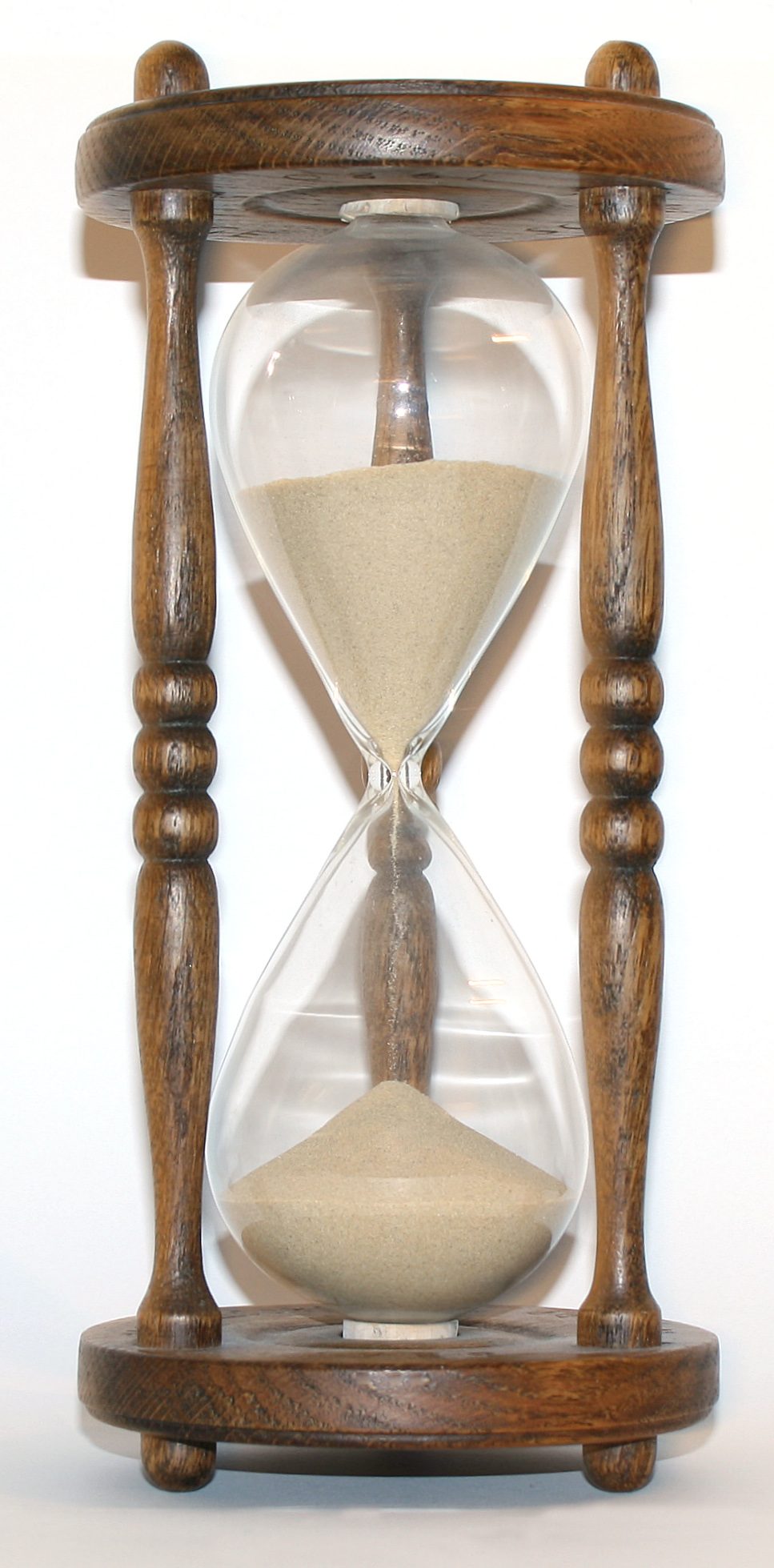
We live in an age of instant everything. A question answered in a split second, a movie streamed with no waiting, a package delivered to the door within hours. This convenience is wonderful, but it also quietly wears away a capacity we badly need for the bigger things in life: the ability to wait and to persevere.
Most things worth having in life don’t arrive right away. Health, skill, a deep relationship, a solid career, all of these need time to accumulate. Impatient people tend to give up right when the results are about to appear.
Patience Is Not Passive Waiting
Many people mistake patience for sitting still and enduring, gritting their teeth until it passes. In truth, patience is actively continuing to act even before you see results. A patient person keeps sowing and tending every day, knowing the plant can’t bear fruit right away.
This distinction matters. Patience isn’t the opposite of action; it’s the opposite of impatiently quitting. You can give your full effort and, at the same time, calmly accept that the harvest needs time to ripen.
Understanding the Hidden Curve of Progress
When you learn a skill or pursue a goal, progress rarely follows a steady straight line. There’s usually a long stretch where you put in effort and it seems like nothing is changing, and then suddenly everything blooms. Most of the accumulated work happens quietly beneath the surface before the results show.
If you understand this, you won’t panic during that flat, quiet phase. You know that silence doesn’t mean it’s futile; it means the roots are digging deep. It’s this faith in the hidden curve that carries many people past the point where others give up.
Practicing With Small Discomforts
Patience is like a muscle; the more you use it, the stronger it grows. You can train it through small daily situations: standing in line without pulling out your phone, waiting for the kettle to boil without getting restless, letting a message sit for a few minutes before replying instead of reacting at once.
These tiny moments teach your nervous system to grow comfortable with waiting rather than getting flustered. When you can bear small discomforts, you gradually build the strength to bear larger, longer waits in work and in life.
Placing Your Attention on the Process
Impatience often comes from fixing your eyes on the destination. You keep measuring how far is left, and each time you haven’t arrived is another dose of disappointment. The remedy is to shift your attention to the process itself: what did I manage today, what new thing did I learn.
When you find meaning in each step rather than only at the finish line, waiting stops being a burden. You enjoy the journey, and paradoxically, it’s that relaxed attitude that often helps you go farther and last longer.
Recalling Times When Patience Paid Off
Every one of us has had moments of persevering and reaping the reward, even if we’ve forgotten them. A skill you were once clumsy at that you’ve now mastered, a hardship that felt endless but eventually passed. Looking back at this evidence gives you the confidence that time and perseverance truly work.
Whenever you find yourself about to give up out of impatience, recall a story like that from your own life. Evidence from your own past is more convincing than any words of encouragement from the outside.
Patience doesn’t mean you’ve stopped longing, but that you’re mature enough to let good things take the time they need to form. In a world where everyone wants it now, simply by being willing to wait and keep at it, you’re already ahead of a great many people. Trust in what is slowly growing inside you.