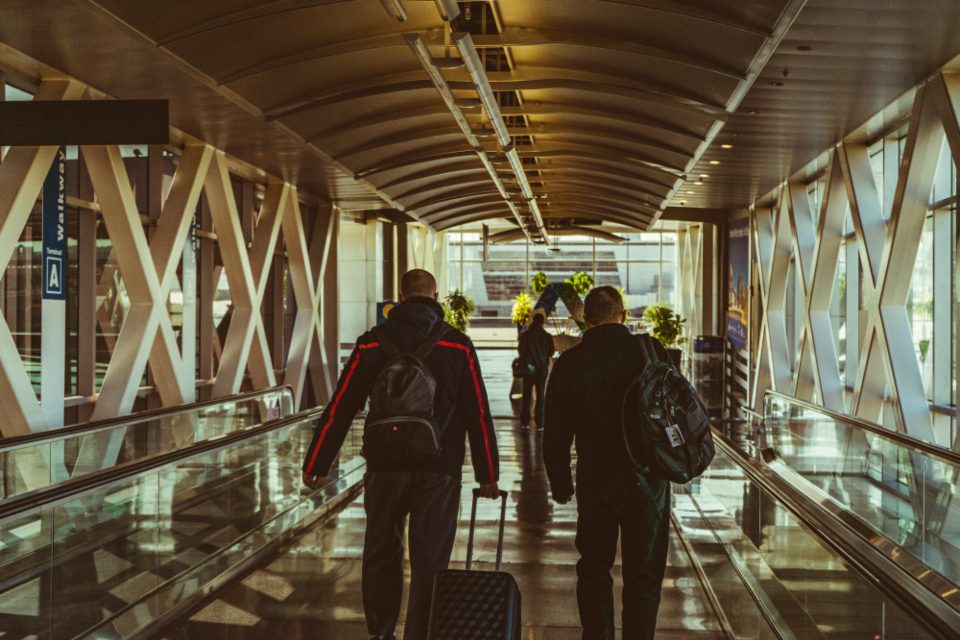
People often pour their energy into choosing the destination, the lodging, the food, and forget that the thing accompanying them from start to finish is the bag holding their belongings. A suitcase dragged laboriously over a cobblestone road, or a backpack pressing on your shoulders all day, is enough to wear down the joy of an entire journey. Conversely, a well-fitting bag makes everything flow so smoothly that you almost forget it’s there.
There is no single best bag for everyone, only the one that best suits your style of travel. Choosing well is a matter of understanding where you’re going, how you’ll travel, and how much you’ll carry. This article helps you think it through more thoroughly before choosing that quiet companion.
Backpack or Suitcase: It Depends on Your Path
A backpack frees both your hands, letting you weave through crowds, climb stairs, walk on rough roads, and hop onto cramped transport. It suits trips with lots of moving around, frequent changes of place, or destinations with uneven terrain. The price you pay is the weight bearing down on your shoulders and back, so it demands that you pack really lightly.
A rolling suitcase, on the other hand, is easy on your back, keeps things neatly arranged, and is convenient when you stay in one place for a while or move mostly on flat surfaces like airports, hotels, and paved roads. Its drawback is that it struggles with steps, cobblestones, and bumpy places. Picture the terrain and how you’ll move to choose the type that fits the reality of your trip.
Size: Smaller Than You Think Is Just Right
A common mistake is choosing a really big bag just in case, then unconsciously filling it up simply because there’s room. The roomier the bag, the more unused things you carry, and the heavier you are on the road. A bag’s size quietly sets how much you’ll haul along, so choosing a moderate one is also a way to force yourself to travel lighter.
For most short and medium trips, a bag around carry-on size usually serves well if you know how to pack smartly. It helps you skip the wait for checked luggage, move around easily, and forces you to prioritize what you truly need. Only choose a large bag when the trip is long or you have a clear, specific need.
Quality Lies in the Small Details
What determines a bag’s durability is usually not its looks but the details that are easily overlooked. The zipper is the part that breaks most often, so choose one that runs smoothly and feels sturdy. The stitching, straps, handles, and wheels also need to be robust, because these bear the most stress and are a real nuisance to have fail on the road.
Don’t hesitate to test it right when choosing: zip it a few times, lift it to see if the straps feel comfortable, and with a suitcase, roll it to check whether the wheels run smoothly. A good bag doesn’t have to be expensive or flashy, but it must withstand the rough handling of travel. Investing once in something durable beats replacing it again and again.
Compartments and Inner Organization
A useful bag is one that lets you find things quickly without rummaging through everything. Extra pockets, easy-to-reach outer compartments, and a convenient way to open wide make a big difference in daily life on the road. Notice whether the bag has dedicated spots for things you often need in a hurry, like documents, water, or a jacket.
No matter how many compartments a bag has, how you organize the inside is what creates order. Using small pouches or packing cubes to sort clothes, gear, and accessories keeps everything tidy and easy to grab. A well-arranged bag makes every opening a pleasure rather than a headache.
The Day Bag: A Small Everyday Companion
Alongside your main luggage, a small bag to carry each day is worth having. When you leave the big luggage at your lodging and head out to explore, you only need a compact bag for essentials like money, phone, water, and a few odds and ends. It keeps you light, flexible, and less worried about loss than lugging your whole treasure around.
Choose a day bag that is both compact and secure, ideally worn close to the body, with a firm zipper and not too showy. Some people like a cross-body bag, others prefer a small backpack, depending on your habits. The key is that it’s enough for a day out without being bulky, so you can focus on enjoying rather than guarding your belongings.
Choosing a bag seems like a small matter, but it quietly shapes your entire experience on the road. Take a little time to find the bag that suits your style of travel, care for it, and learn to organize the inside neatly. When that quiet companion does its job well, you’re free to give all your attention to the things that are truly worth remembering.