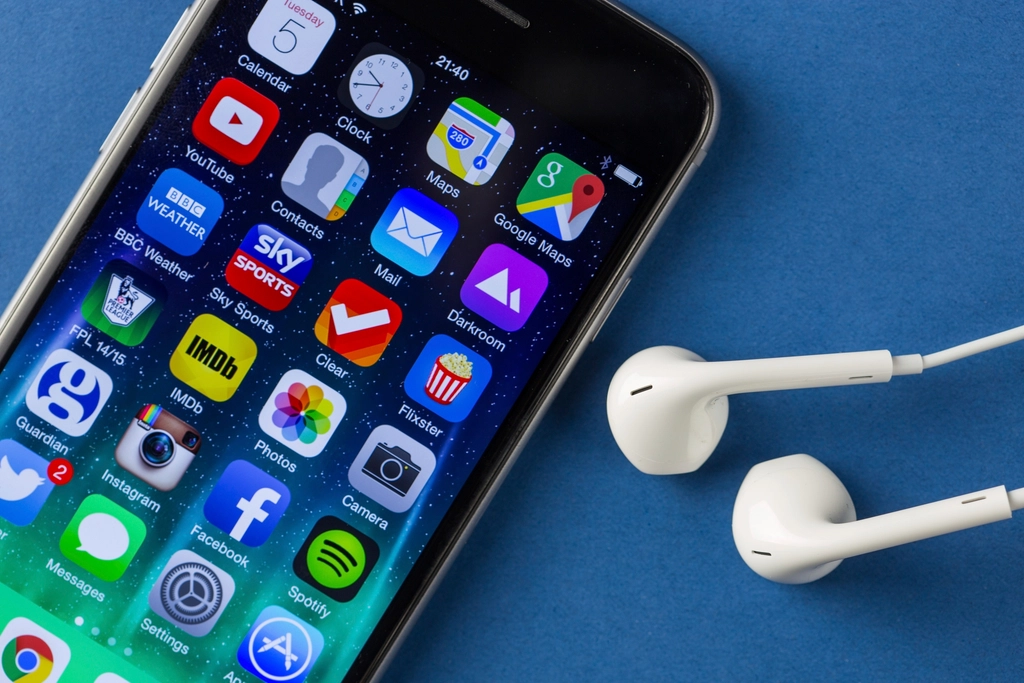
There is a familiar moment: you pick up your phone just to check the time, and fifteen minutes later you are still there, scrolling from one app to the next, with no memory of why you started. The feeling afterward is usually a faint emptiness, like having eaten a lot of junk food without feeling full.
This is not your fault alone. The apps you use are designed by some of the best teams, with the clear goal of keeping you around as long as possible. But understanding that does not mean giving up. You can absolutely reset your relationship with your phone, so it returns to its proper role as a tool rather than a master.
Why willpower is not enough to win
Many people blame themselves for being weak when they can’t resist their phone. But this is an uneven battle. Every notification, every pull to refresh, every vivid color is fine-tuned to trigger the reward-seeking system in the brain. Fighting it with pure willpower is like trying to hold your breath longer than your body allows.
Something better than willpower is environment design. Instead of having to fight temptation every time you pick up the phone, make the temptation appear less often in the first place. When the distraction is out of reach and out of sight, you don’t need willpower, because the battle simply never takes place.
The core principle is simple: don’t rely on yourself in a moment of weakness; rely on the decisions you make while clear-headed. Arrange things while you are lucid to protect the tired version of yourself.
Turn down the calls for your attention
Notifications are the most powerful tool the phone uses to pull you back. Every vibration, every red number on an app icon is an invitation hard to refuse. The first and most effective step is to turn off nearly all notifications, keeping only what is genuinely urgent, such as calls or messages from loved ones.
Ask yourself of each app: if it didn’t alert me, would I miss anything truly important? For most social media, news and games, the answer is no. You can still open them when you want, but on your schedule rather than theirs.
Switching your screen to grayscale is another surprisingly effective trick. Much of an app’s appeal comes from its vivid colors. When everything is reduced to shades of gray, the phone instantly becomes far more boring, and you naturally feel less pull to pick it up for no reason.
Create physical distance
The distance between you and your phone largely determines how often you use it. When it is in your pocket or on the desk right in front of you, reaching for it becomes an unconscious reflex. Simply placing it in another room, or in a drawer, already changes the behavior markedly, because now you have to get up and go get it.
A rule worth trying is not keeping the phone in the bedroom. Use a separate alarm clock instead of the excuse that you need the phone to wake you. This solves two problems at once: the last thing you see before sleep and the first thing you reach for on waking, neither of which should be a screen.
During work that requires focus, keep the phone entirely out of sight. Research shows that merely having it within view, even face-down, already reduces your ability to concentrate, because part of the brain must constantly suppress the urge to pick it up.
Understand what you are really looking for
Reaching for the phone is rarely truly about the phone. Usually it is a reaction to another feeling: boredom, anxiety, loneliness, or just an empty moment we don’t know how to fill. The phone becomes a convenient escape from those uncomfortable feelings.
The next time your hand automatically seeks the phone, try pausing for a beat and asking: what am I avoiding? Sometimes the answer is simply that you are tired and need real rest, not a scroll through feeds. Sometimes it is that you are dodging a hard task and looking for a way to procrastinate.
Just asking the question creates a small pause between impulse and action. That pause is where freedom begins. You don’t need to resist every time, but each time you notice the pattern, you reclaim a little control.
Fill the gap with something better
Fighting distraction is not only about removing, because removal alone leaves a gap, and a gap is easily filled again by the old habit. What lasts longer is preparing alternatives in advance for those idle moments.
Keep a book where you usually sit, a pen and notebook on the desk, a list of small enjoyable things you rarely have time for. When a bored moment comes and your hand wants to find the phone, having something else within reach makes a big difference.
More important than anything is reviving your tolerance for boredom. Boredom is not the enemy; it is the soil of creativity and reflection. The best ideas often come when the mind is left alone, not constantly stuffed with input. Allowing yourself to be a little bored is also allowing yourself to think.
The goal is not to hate your phone or to live as if it never existed. The phone is a wonderful tool when we are its master. The goal is to move from a passive stance, letting it decide your attention, to an active one, using it when you want and setting it aside when you don’t.
Choose one small change to start today, perhaps turning off all unnecessary notifications, or keeping the phone out of the bedroom tonight. One small step, sustained, will lead to a bigger change than you imagine.