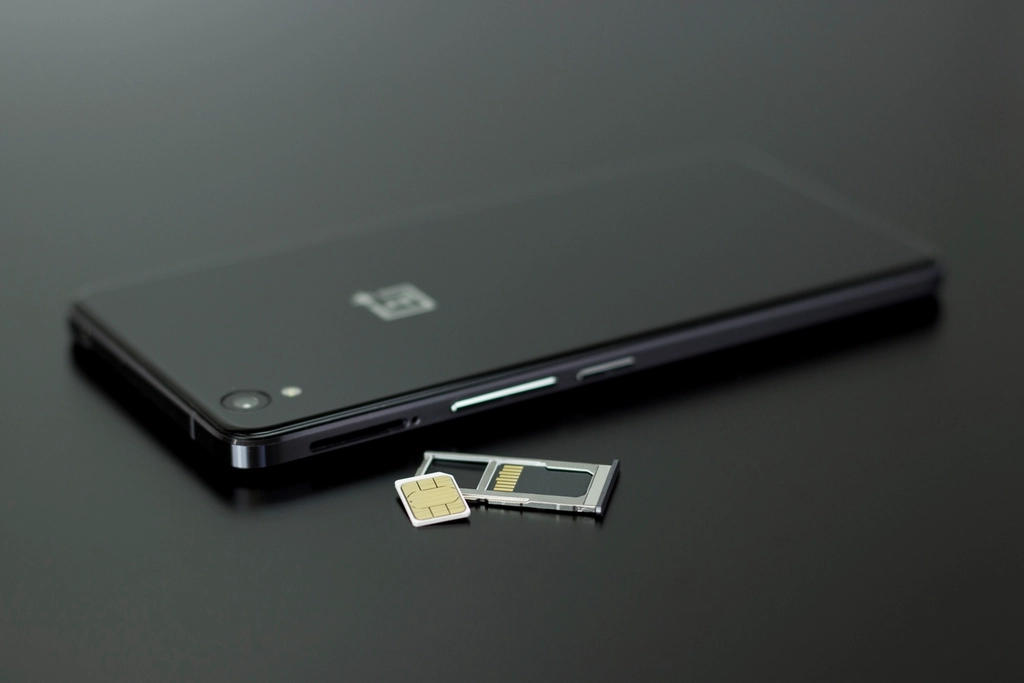
These days, a phone with a connection is almost an inseparable companion when traveling. You use it to look up directions, book rides, translate languages, keep in touch with loved ones and handle problems as they arise. Losing your connection in an unfamiliar place can sometimes leave you more helpless than losing money.
But connectivity is a double-edged sword. Many people arrive somewhere and still stay glued to their screens, missing the very scenery in front of them. This article looks at both sides: how to always have a connection when you need it, and how to make technology serve the trip rather than swallow it.
Sort out your connection plan before you go
Don’t wait until you arrive to worry about connectivity. Before the trip, find out how well your destination is covered and which option suits you. If traveling domestically, check whether your current plan has enough data. If going abroad, consider buying a local SIM, a travel SIM or a roaming package.
A local SIM is usually cheap and comes with plenty of data, ideal for a longer stay. A roaming package is convenient for short trips but can be expensive, so check the price carefully. Whichever you choose, arrange it before you set off so you’re not scrambling to find somewhere to buy a SIM the moment you step off the plane, tired and unfamiliar with the area.
Download important things for offline use
You won’t always have a connection, especially in the mountains, in remote areas or while on the move. So download what you need in advance for use without internet: area maps, e-tickets, booking confirmations, and the important details of your trip.
Offline maps are especially useful, helping you locate yourself and find your way even when you lose signal. Take screenshots of the addresses, phone numbers and booking codes you’ll need. Save emergency phone numbers and your accommodation address as images. Preparing offline keeps you from getting stuck in a place with not a single bar of signal.
Make smart use of wifi
Many accommodations, cafes, restaurants and public spots offer free wifi. This is a way to save data, especially when you need to download a lot or make video calls home. Take advantage of stable wifi to do the data-hungry tasks, saving your mobile data for when you really need it on the road.
That said, be careful with public wifi. Avoid logging into your bank, entering important passwords or making payments over unsecured networks, since bad actors can exploit them. If you must do something sensitive, using your own mobile data is safer. Convenience shouldn’t be traded for the risk of losing your accounts.
Keep in touch with loved ones the right way
Letting people at home know your itinerary and updating them when you arrive safely is a good habit to have, especially when traveling far or alone. You don’t need to message constantly, just a short note each day to put them at ease. Agree in advance on how and when to keep in touch if your destination is in a different time zone.
In places with weak signal, tell your family beforehand so they won’t worry when you go quiet for a few days. Sharing your live location is another good way for loved ones to know you’re fine without constant back-and-forth messaging. This just-enough connection keeps both you and those at home at ease throughout the trip.
Protect your battery and devices
Running out of battery mid-journey when you need to check a map or book a ride is a situation everyone dreads. Carrying a power bank with enough capacity is almost mandatory for frequent travelers. Fully charge all your devices the night before, and top up whenever there’s an outlet.
In cold places or with heavy use, the battery drains faster than usual, so don’t wait until it hits empty to worry. Close battery-draining apps and lower screen brightness when you need to conserve. Keeping your phone charged isn’t just for entertainment, but so you can always cope when something unexpected happens.
Don’t let the screen swallow your trip
Having a connection to make things easier is good, but don’t let it steal the very reason you set off. Many people travel to a beautiful place only to bury their heads in their phones, scrolling social media as if they were still at home. The scenery, the people, the flavors of a new place only appear when you lift your head and are truly present.
Try setting aside screen-free windows during the day, when you put the phone away and simply watch, listen and talk. Taking photos to remember is fine, but don’t turn the whole trip into a photo hunt for other people to view. The finest memories are the ones you feel directly, not the ones that appear on a screen.
Being connected on the road is a powerful tool if you use it right: prepare in advance, stay in touch just enough, and protect your devices. Taking charge of your connectivity lets you handle things smoothly and keeps your loved ones at ease.
But remember, you set off to live real moments, not to drag the whole virtual world along with you. Use technology as a travel companion; don’t let it become a cord tying you to a screen amid the horizons opening up before you.