Motorbike touring has its own allure: you feel every curve, smell the grass and trees, stop anywhere you like. No windshield separates you from the scenery. But precisely because you’re exposed like that, a tourer also faces more risks than someone sitting in a car or coach.
This article isn’t meant to scare you, but to help you ride with a clear head. True freedom comes from thorough preparation, so you can enjoy the road without paying dearly for a moment of carelessness.
Check the Bike Carefully Before Setting Off
The bike is your most important companion, so don’t leave it to chance. A few days before a long trip, take the bike in for a full check: brakes, tires, sprocket and chain, lights, horn, oil. A small breakdown on a deserted mountain pass can turn into a big headache when there’s no repair shop nearby.
Learn how to handle basic problems like patching a tube, tightening bolts, adjusting the chain. Bring a small tool kit, a mini pump, and a few parts that easily fail. Note down roadside rescue numbers along the route if there are any. Knowing how to look after the bike keeps you from being stranded in a remote spot.
Protective Gear Isn’t for Show
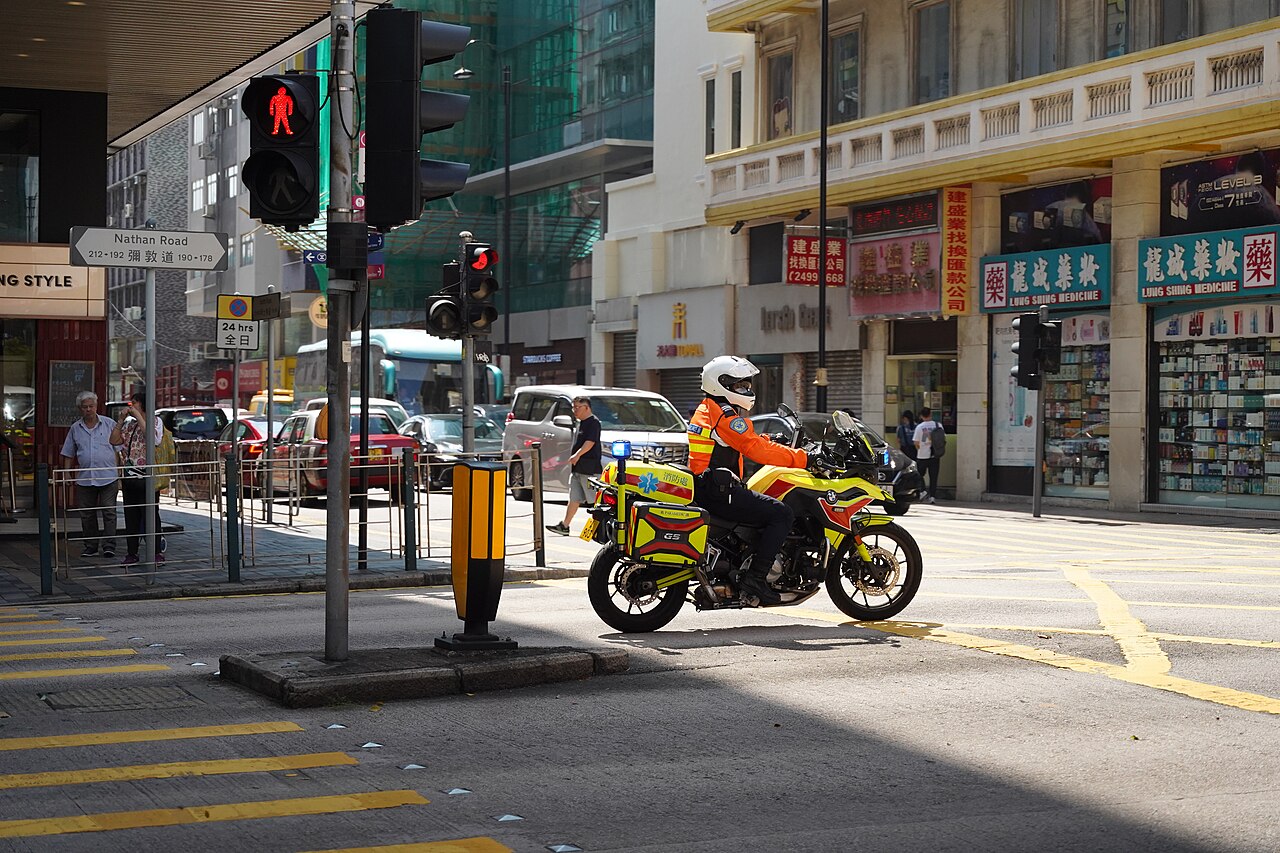
A certified helmet that fits snugly around your head is something never to take lightly. Beyond that, an armored jacket, gloves, high-top boots, and thick trousers will protect you in a fall. Many people scoff at protective gear until their first slide, when they finally grasp its value.
Protective gear also helps you tire less on long rides: blocking wind, blocking sun, keeping you warm over a cold pass. Investing in a decent set isn’t extravagance, it’s taking care of yourself. A trip is only fun when you come home in one piece to tell about it.
Break the Route Sensibly, Don’t Overreach
Riding for long hours leaves the body aching and slows your reflexes. Don’t try to cover too many kilometers in a day just to keep to the schedule. A tired rider is a danger to themselves and others. Break the journey into manageable segments, usually no more than a few hundred kilometers a day on mountain roads.
Every hour or two, stop to rest, drink water, stretch. Avoid riding at night on unfamiliar roads because of poor visibility and unpredictability. Set off early to arrive before dark, which is both safer and leaves time to rest. Touring is about enjoying the ride, not reaching the finish at any cost.
Read the Weather and Terrain in Advance
Mountain-pass roads change unpredictably: sunny in the morning, rainy in the afternoon, sudden fog, landslides after heavy rain. Checking the forecast before and during the trip helps you avoid dangerous stretches. If it’s pouring or the fog is thick, it’s better to stop and wait than to push recklessly through.
Learn the route in advance: which stretches are rough, which are deserted, where there are petrol stations, where there are places to rest. Roads in many mountain areas have no fuel stops for dozens of kilometers, so fill up whenever you get the chance. This preparation keeps you from running out of fuel in the middle of nowhere.
Ride Defensively and Keep Your Distance
On the road, assume others may make mistakes and always leave yourself an escape route. Keep a safe distance from the vehicle ahead, don’t tailgate large trucks, and be careful when overtaking. On blind corners, go slow and hug the right, because you don’t know what’s waiting on the other side.
Don’t speed to show off, and don’t race to keep up with the group if it’s beyond your ability. Everyone has a different skill level, and matching someone else’s speed is the fastest way to have an accident. Listen to your own limits and hold a speed at which you feel in control of the bike.
Ride in a Group and Share Your Itinerary With Family
Touring in a group is more fun and safer than going alone, since there’s someone to help if something goes wrong. Agree in advance on rest stops, a shared pace, and how to communicate within the group. Put the strongest riders at the front and back, and less experienced ones in the middle to be shielded.
Whether in a group or alone, always let your family know your itinerary and each day’s destination. Text when you arrive safely. In areas with weak signal, say so beforehand so they don’t worry when you’re out of contact. These small habits reassure those at home and help you be found quickly if anything happens.
Motorbike touring is a journey of freedom, but freedom goes hand in hand with responsibility toward yourself. A good bike, adequate protective gear, a moderate speed, and a clear head are the four things that get you home safe after every trip.
The road will still be there tomorrow. Don’t trade away your safety out of haste or pride. The best tourers aren’t the fastest riders, but the ones who cover the most ground over many years and stay in one piece.