The kitchen is where a lot of a home’s electricity and gas gets used. By adjusting just a few small habits while cooking, you can save a considerable amount each month without affecting the quality of your meals at all.
Saving fuel is good not only for your wallet but also for the environment. This article shares smart cooking methods to help you use electricity and gas more efficiently, turning your kitchen into a place that’s both delicious and economical.
Use Pots and Pans That Fit Your Stove
Choosing pots and pans the right size for your stove is a basic way to save. A pot too small for the flame lets heat escape and go to waste, while a flat bottom that makes good contact with the stovetop transfers heat more efficiently. For induction stoves, you need dedicated pots with a magnetic base.
Covering the pot while cooking is a small habit that saves considerably, because trapping the heat inside cooks the food faster and reduces cooking time. A pot with a thick base that retains heat well also lets you take advantage of residual heat after turning off the stove. Investing in a good set of pots is worthwhile in the long run.
Adjust the Flame Sensibly
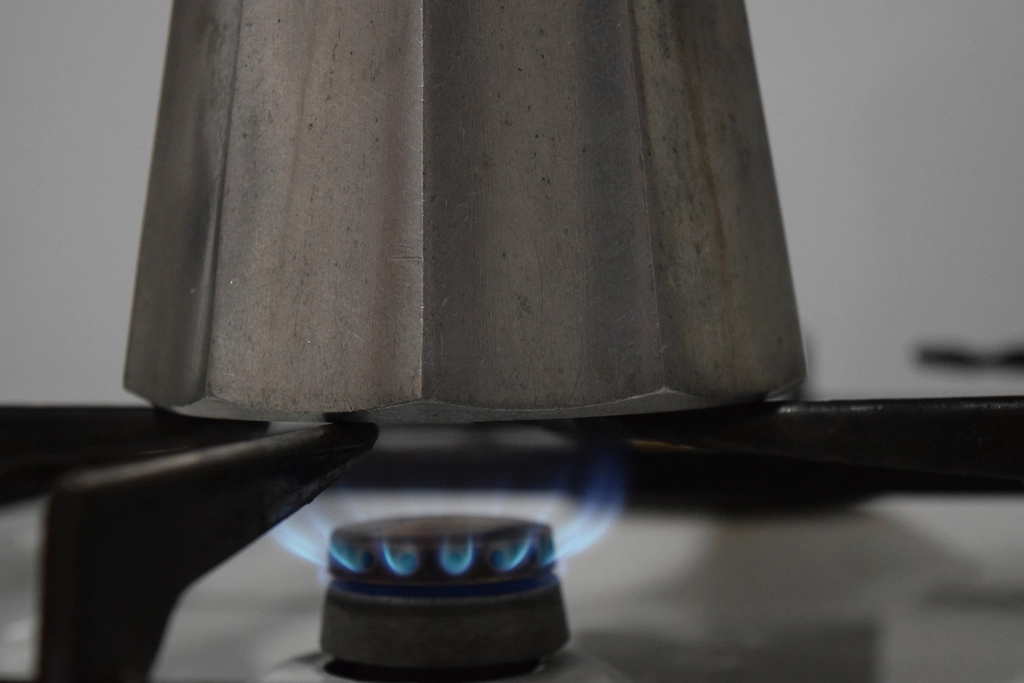
Many people have a habit of using high heat to speed things up, but if the flame licks out past the bottom of the pot, that heat is completely wasted. Keeping the flame just large enough to cover the base of the pot is the most efficient, no bigger.
For dishes that stew or simmer for a long time, once the water boils you should lower it to a gentle simmer, which saves gas and makes the dish tastier. A flame too high while stewing only makes the water evaporate faster, not the food soften faster. Learning to use the flame correctly is the most important key to saving fuel.
Use Residual Heat and Cook in Combination
Residual heat is a free source of energy that often goes wasted. For simmered and stewed dishes, you can turn off the stove a few minutes before the food is fully done and cover the pot so the remaining heat continues cooking. Rice cooked in an electric cooker likewise makes use of a similar keep-warm mode.
Combining several tasks at once also saves fuel. After boiling vegetables, you can use that boiling water to boil eggs, or stack a multi-tier steamer to cook several things at the same time. Planning to turn on the stove as few times as possible, cooking several dishes in one go, considerably reduces fuel waste.
Prep Smartly Before Cooking
Having all your ingredients ready before turning on the stove means you won’t leave the flame burning while you fumble with slicing and washing. Arrange everything so that once you start, the cooking flows continuously and you turn off the stove the moment you’re done.
Thawing food sensibly also saves heat: move items from the freezer to the fridge the night before, rather than thawing by cooking directly, which uses much more heat. Cutting ingredients smaller also helps them cook faster, reducing cooking time.
Maintain Your Stove and Tools Regularly
A gas stove that’s caked with grime or a clogged burner gives a weak, uneven flame that wastes gas and cooks slowly. Cleaning the burner and stovetop regularly keeps the flame blue, strong and efficient. A yellow-red flame is usually a sign of incomplete combustion and wasted gas.
For electric stoves, keep the surface clean and check that the wiring is safe. A pot bottom that’s warped or crusted with residue also reduces heat transfer, so keep pots clean and flat. This simple maintenance saves fuel while keeping your kitchen safe.
Save Water and Time in the Kitchen Too
Saving in the kitchen isn’t just about electricity and gas but also water and time. When washing vegetables, catch the water in a basin instead of letting it run continuously under the tap, and use the final rinse water to water your plants. Thawing food in the fridge rather than running water over it also saves considerably.
Arranging the order of your tasks sensibly also reduces waste. While waiting for a pot of water to boil, you can prep another dish; while the oven or stove is hot, take the chance to cook several dishes at once. A tidy kitchen with tools in their proper places lets you work quickly, keep the fridge open less and waste no time searching. Comprehensive saving starts with small habits like these.
Saving electricity and gas in the kitchen doesn’t require big changes, just small habits repeated every day. Added up, they make a clear difference on your bills and for the environment too.
Try applying a few of these tips, starting with covering the pot and adjusting the flame to just enough. Smart cooking is when the meal is still delicious while your wallet and the planet both breathe easier.