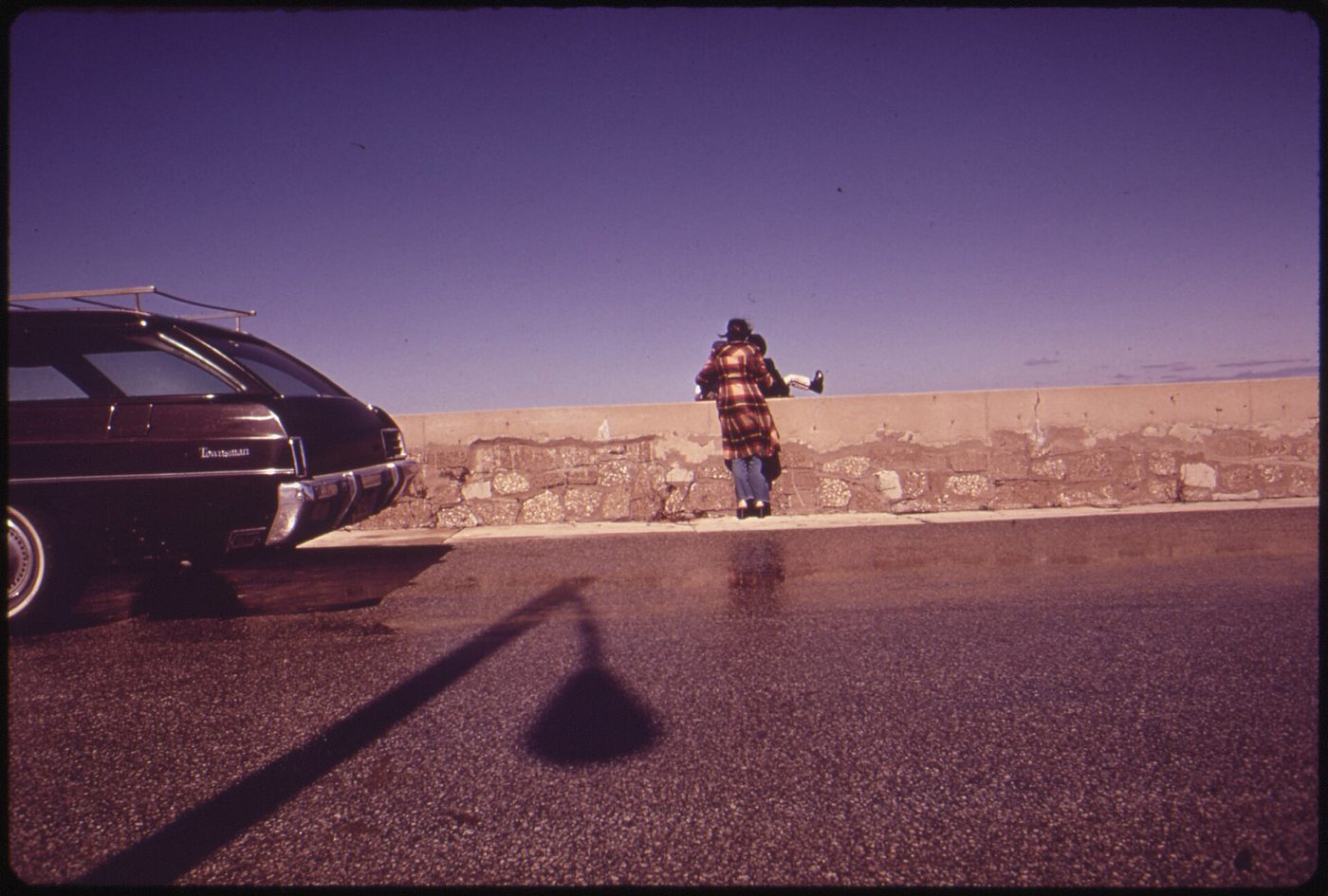
We walk the same street every day yet cannot recall the color of a door on it. We talk with loved ones without noticing they are tired. Our eyes are open, but most of the time we are not truly observing.
Observation is a skill growing rarer as screens absorb all our attention. Yet it is also the foundation of many things: understanding, creativity, and even peace of mind.
Looking and observing are not the same
Looking is letting light into the eyes; observing is actively attending and registering. You can look at a face hundreds of times without ever truly observing it.
The difference lies in intention. When you decide to pay attention, details that were invisible suddenly appear, and you are surprised they were always there unseen.
Why we stop observing
The brain is wisely lazy: for the familiar, it uses an old memory instead of looking again. This saves energy, but it also means we stop truly seeing.
The phone makes this worse. When every gap is filled with a screen, we no longer look up and around, and the real world slips by unregistered.
Observe people with attention
Good observation deepens relationships. Notice a friend’s unusual tone, a colleague’s averted glance, and you understand what they do not put into words.
Try a conversation where you truly observe the other person instead of waiting for your turn to speak. You will be surprised how much you normally miss.
A few small exercises each day
Observation can be trained like a muscle. Each day, pick a familiar object and find three details you have never noticed in it.
When walking, try looking up at the second floors of buildings, where few people glance. Or describe in your mind a person who just passed. These small exercises wake a sleeping eye.
Observe to live slower and fuller
Observation is not only useful but makes life richer. Those who pay attention find joy in small things: sunlight on a wall, a child’s sweet remark.
When you truly see the world around you, each day feels far less monotonous. The same old street suddenly holds new things, simply because this time you actually look.
Observation is how we resist the gradual fading of everyday life into invisibility. When you practice looking more closely, you not only understand the world better but also recover the sense of wonder that hurry had taken away.