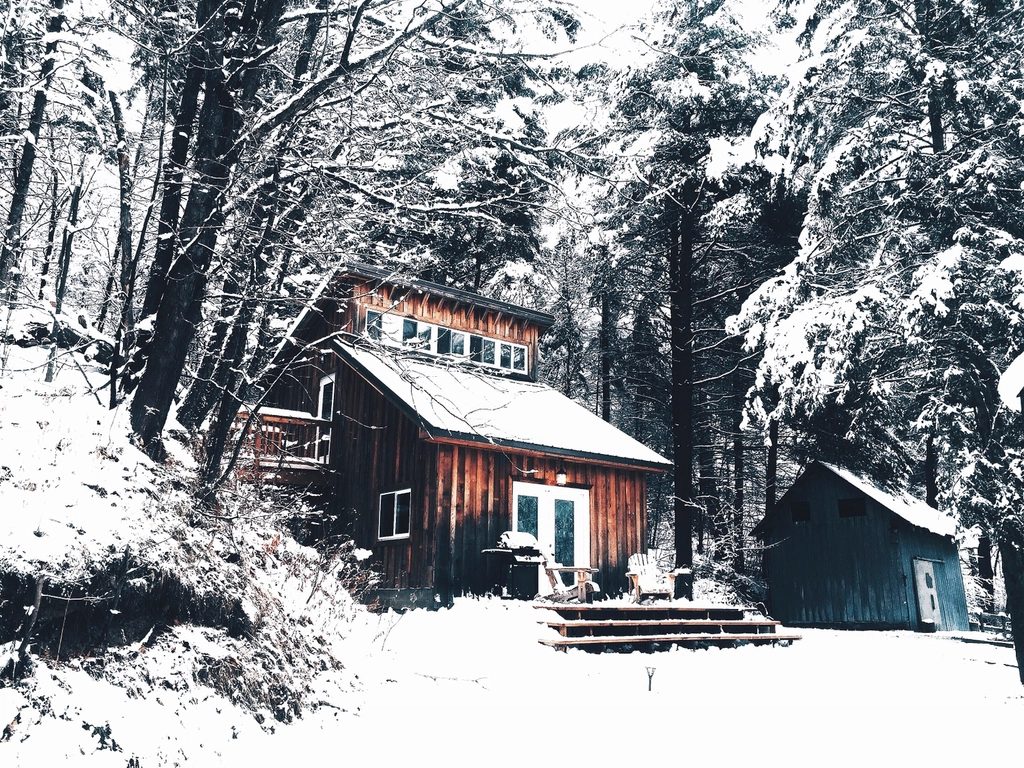
For someone from a hot land, a trip to somewhere with snow is a dream: forests dressed in white, breath turning to mist, and the feeling of touching a soft snowflake melting on your hand for the first time.
But winter’s beauty comes with a cold your body is not used to. Preparing properly lets you enjoy that beauty rather than shiver miserably throughout the trip.
Wear layers rather than one thick coat
The secret to warmth is not one bulky coat but many thin layers. The inner layer keeps you dry, the middle traps heat, the outer blocks wind and water. Entering a warm place, you shed a layer to avoid sweating.
Avoid cotton against the skin, since once it soaks up sweat it holds moisture and chills you fast. Choosing dedicated thermal wear for the base layer is far more effective.
The body loses most heat from the head, neck, hands, and feet. A wool hat, scarf, gloves, and thick socks sometimes keep you warmer than a big jacket.
Protect your feet and stay dry
Cold, wet feet make the whole body miserable, so waterproof, warm boots with good grip on snow are the best investment. Smooth soles on ice easily cause falls.
Carry spare socks and keep your feet dry. If your socks get wet, change them at once rather than enduring it, since damp feet in the cold can lead to frostbite.
Walking on ice and snow needs short, slow steps with the whole foot down for balance. Where it is icy, hold on to railings or walls when you can.
Care for skin and body in cold, dry air
Winter air, cold and dry, cracks skin, dries lips, and roughens hands. Carry moisturizer and lip balm and use them more often than you think.
Many forget sunscreen in winter, but snow reflects sunlight strongly, easily burning skin and harming the eyes. Sunglasses and sunscreen are still needed when the sun is out over snow.
The cold makes you feel less thirsty, but the body still loses water. Drink enough and eat well so the body has energy to generate heat and stay warm from within.
Stay safe in the cold and on slippery roads
Recognize the signs of being too cold: uncontrolled shivering, numb hands and feet, drowsiness. When you notice them, get to a warm place at once and warm up slowly, without taking it lightly.
If you take up skiing or winter activities, have a guide, wear protective gear, and do not push beyond your ability recklessly. Beginners should start in easy, safe areas.
Check the forecast and snowstorm warnings before heading out. In snowy mountains, the weather changes fast, and a sudden blizzard can be very dangerous.
Enjoy the joys unique to winter
Winter offers experiences no other season has: walking through a silent snowy forest, sitting by a fire with a hot drink, watching snow fall past a window.
Do not let the cold keep you cooped up indoors all day. Once dressed warmly, going out to play in the snow and photograph the white landscape is the most memorable joy of the trip.
Ending a day out in the cold with a hot meal and a warm place to rest is a wonderful feeling. That very contrast between the cold outside and the warmth within is what makes winter memorable.
Winter travel rewards you with a pure beauty only snow can give, as long as you know how to stay warm and safe. When your body is warm enough, the cold is no longer an enemy but part of an unforgettable experience.