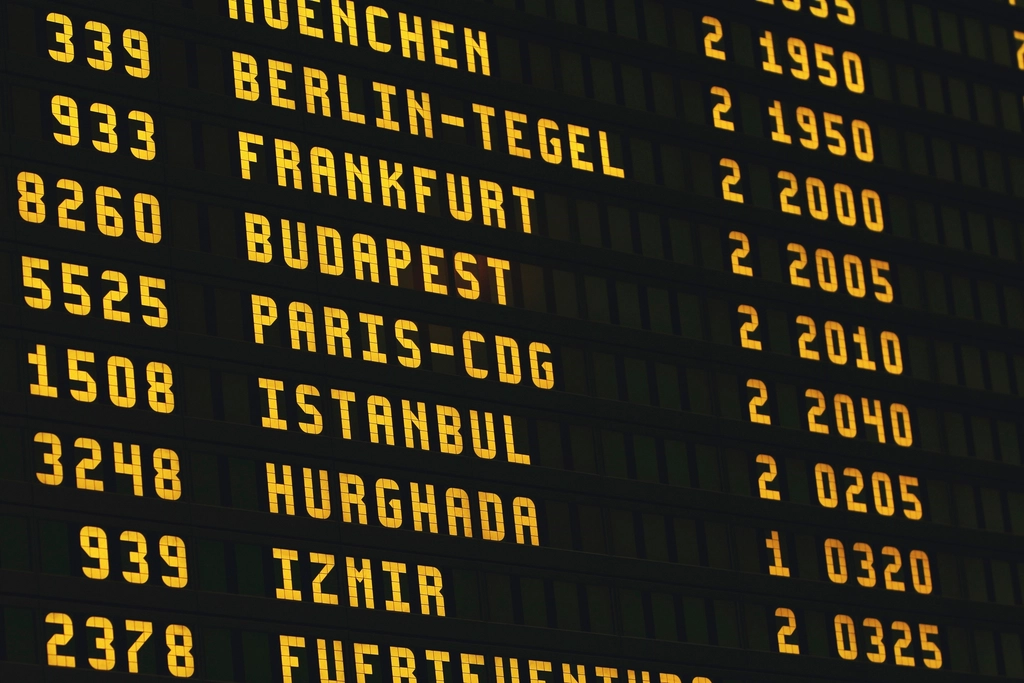
No one wants their trip disrupted, but the reality is that missed, delayed and canceled trips happen more often than we think. Bad weather, technical failures, traffic jams, getting the time wrong; there are plenty of reasons your plans can be thrown into chaos in an instant.
What makes the difference between a ruined trip and a merely annoying situation is how you react. The calm and resourceful get through it smoothly, while those who panic usually make everything worse. This article helps you prepare your mindset and how to cope when this happens.
Staying calm is the first step
When you learn your trip is delayed or canceled, the first reaction is usually frustration, worry or panic. But this is exactly when you need the clearest head. Panic leads you to make bad decisions, waste money or miss better options. Take a deep breath and remind yourself that every problem has a solution.
This mishap isn’t your fault, and getting angry at staff or the crowd won’t change anything. Instead, focus your energy on finding a solution. Calm people usually get better help, because staff are more willing to assist someone polite than someone screaming and blaming.
Get accurate information right away
When something goes wrong, the important thing is to grasp the real situation. How long the delay is, whether there’s a replacement service, what the compensation or rebooking policy is. Go straight to the service desk, ask the staff, check the app or the notice board. The sooner and more accurate your information, the more options you have.
Don’t rely only on rumors from other passengers, since they’re just as confused as you are. Find an official source to know exactly where you stand. If the line at the desk is too long, try calling the hotline or using the app, since sometimes rebooking by phone is faster than queuing.
Know your rights
In many cases of delay or cancellation, you have certain rights: to be rebooked on another trip, to get a refund, and sometimes to receive meal or accommodation support if you have to wait a long time. Many people don’t know this and end up losing out unfairly. Ask clearly about the policy and don’t hesitate to request what you’re entitled to.
If you have travel insurance, check whether this incident falls within its coverage, and keep all related receipts and documents as evidence for later. Photograph the delay notice board, keep your ticket and receipts. These documents are essential when you claim compensation or request a refund down the line.
Cope with the wait
If you have to wait a long time, instead of sitting there fuming, make use of that time. Find a comfortable place to rest, eat to regain your strength, charge your phone, and update loved ones on the situation. If you’re waiting overnight, find out whether accommodation support is available, or find a safe place to catch some sleep.
Sometimes a mishap opens up something interesting. Stuck somewhere unplanned, you can take the chance to explore the place instead of just sitting and waiting. Many people say the most memorable moments of a trip came from the very times their plans fell apart, when they were forced to turn in an unexpected direction.
Adjust the rest of your itinerary
One missed trip can drag down a whole chain of plans behind it: connecting trips, booked rooms, scheduled activities. As soon as you know you’re delayed, contact the places involved to inform and adjust: call your accommodation to arrange a late check-in, reschedule your tour, rearrange your transport.
Handling it early helps you minimize losses and avoid spending more. Many places are understanding and flexible if you notify them in advance and explain clearly. Staying in touch and proactively rearranging shows you’re in control of the situation, instead of letting everything collapse in a chain reaction because you stayed silent and waited.
Prevention to reduce the risk next time
There are habits that help you miss fewer trips. Arrive at the airport or station a safe margin before departure, especially in the busy season. Leave spare time between connections instead of booking them back to back. Check the weather forecast and traffic conditions in advance to anticipate risks.
In addition, always have a backup plan for the important links in your chain and a reserve of money for the unexpected. Consider buying travel insurance for long or complex trips. This preparation won’t prevent every mishap, but it helps you cope far more smoothly when they do happen.
Missed and delayed trips are an unavoidable part of traveling, and how you face them says more than the mishap itself. Staying calm, gathering information, knowing your rights and proactively coping are what get you through.
Don’t let one hiccup ruin the whole mood of your trip. See it as a small challenge, handle it cleanly, then carry on your journey. Sometimes the unplanned detours turn out to be the most memorable part, the one you’ll recount later with a smile.