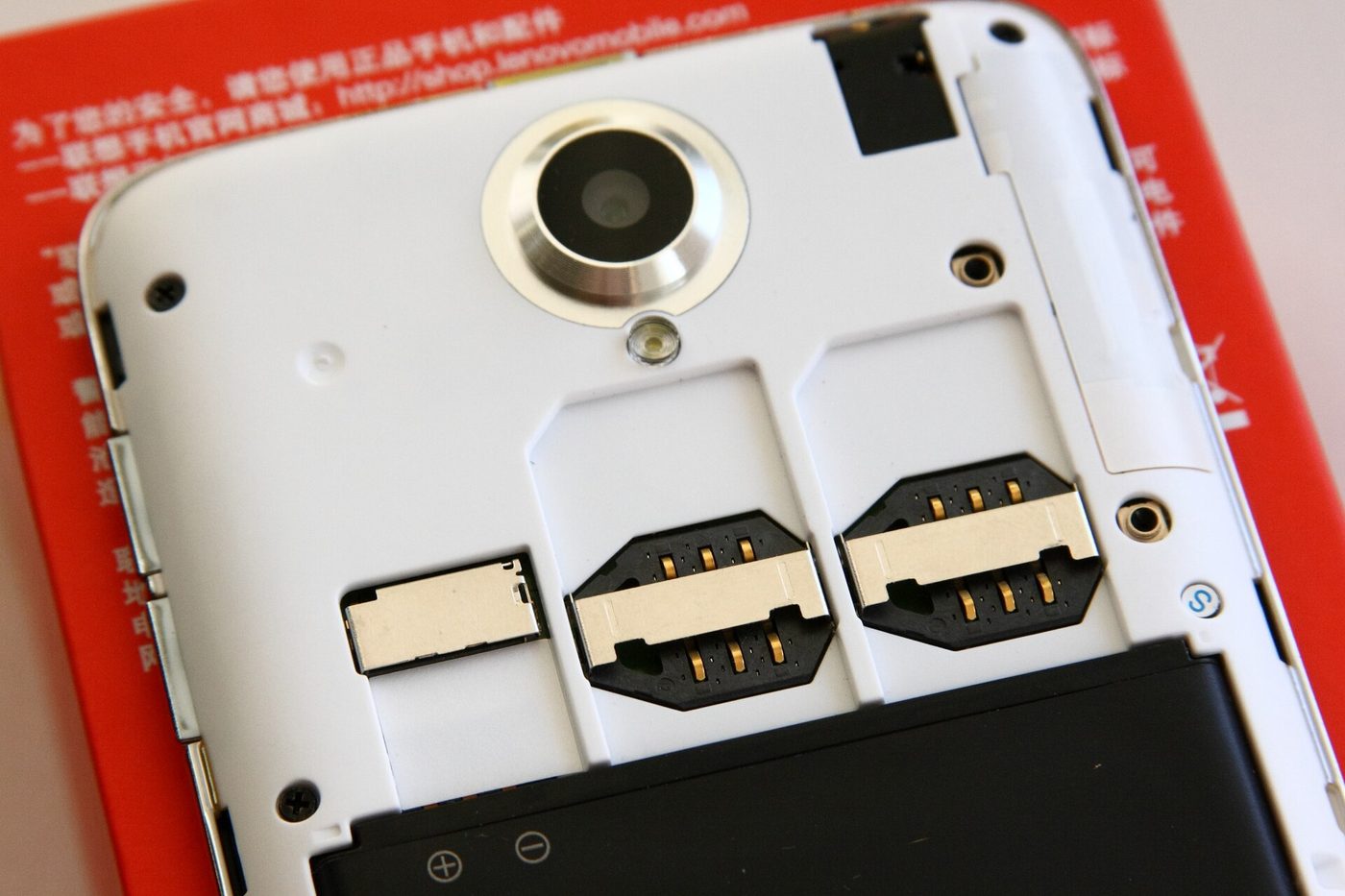
For years, switching carriers or installing a new SIM meant fumbling with a tiny plastic card, an ejector pin, and the fear of losing it. But more and more new phones drop the SIM tray entirely and move to eSIM.
An eSIM sounds complicated but actually makes things simpler, especially when you travel abroad or want to use several numbers at once. Understanding it helps you enjoy the convenience without getting confused during the switch.
How an eSIM differs from a traditional SIM
A traditional SIM is a plastic chip you insert to identify your subscription. An eSIM does the same job, but the chip is soldered inside the phone and you load subscription details onto it through software.
In other words, instead of swapping a piece of plastic, you download a digital profile. The same eSIM chip can hold several carrier profiles, and you switch between them right in settings without opening a tray or hunting for a pin.
The clearest benefit when traveling abroad
This is where eSIM shines. Before you fly, you buy a data plan from a carrier in your destination, scan a code, and activate it right on your phone, with no need to find a SIM shop in a strange airport or wrestle with a language barrier.
More importantly, you keep your home number on one profile and add the foreign number on another at the same time. That way you still receive verification texts from your home bank while using cheap local data where you have arrived.
Two numbers on one phone
An eSIM makes running two numbers tidy. You can keep one number for work and one for personal life on the same phone, with no bulky dual-SIM slot or carrying two phones.
This suits anyone who wants to separate communication while still carrying a single device. Both numbers stay active, you pick which one to call or text with on the fly, and you can turn each off separately when you want quiet.
Things to weigh
Not every phone supports eSIM, so check your device first. Moving an eSIM to a new phone also differs from a physical card: you cannot pull it out and pop it into another phone in a second, but usually have to reactivate through the carrier.
Also, if your phone dies or breaks, you cannot borrow a friend’s phone and slip your SIM in as before. This is a small inconvenience worth remembering, though most carriers now have a fairly quick process to reissue an eSIM.
Is switching to eSIM complicated
For ordinary users, switching to eSIM usually takes just a few minutes. The carrier sends you a QR code, you scan it in phone settings, and your number activates on the embedded chip.
If you would rather not do it yourself, most carrier stores support the switch on the spot. Once used to it, most people find eSIM clearly more convenient, with no more guarding a losable piece of plastic or turning the house upside down for a pin every time you change phones.
An eSIM is the kind of quiet progress you only truly appreciate once you have used it. It removes an annoying physical detail and opens up new flexibility, especially for frequent travelers. Next time you change phones, you may well say goodbye to the tiny SIM card without a hint of regret.