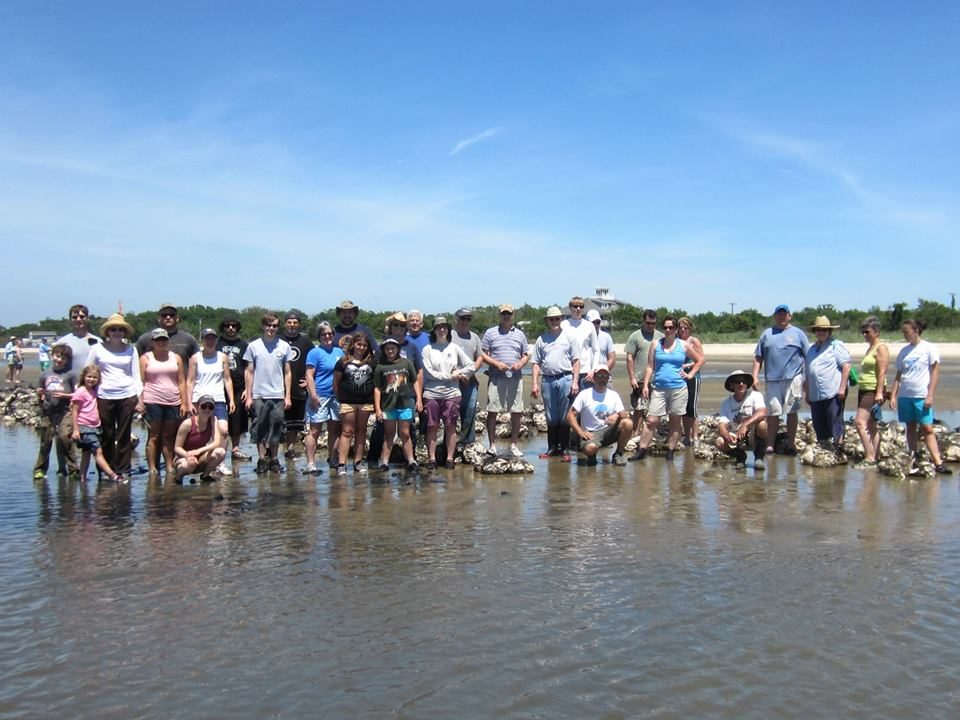
There is a kind of travel where the destination is not only to sightsee but to lend a hand: teaching, building homes, caring for the environment, or supporting a community. It sounds meaningful and warm.
But volunteer travel is a double-edged sword. Done right, it leaves good for both sides; done wrong, it can harm more than help. What matters is going with understanding and humility.
Understand why you want to take part
Ask yourself honestly: do you volunteer because the community needs it, or because you want a beautiful experience to recount? Honest motives help you choose the right way to take part.
The best volunteering starts from a community’s real needs, not the desires of the one arriving. Sometimes what they need is not your hands but your respect and a different kind of support.
Humility matters more than enthusiasm. You come to learn and contribute, not to lecture or impose your way of life on another place.
Choose a trustworthy organization and project
Research the organization behind the trip: is it transparent, where does your money go, is the project truly community-led? Many programs merely exploit participants’ goodwill.
Be wary of projects placing strangers to care for children, especially in orphanages. Strangers coming and going constantly can harm children more than help them.
Favor projects that work with the local community, respecting and empowering them, rather than doing things for them or imposing. A good project leaves behind capacity, not dependence.
Contribute within your real ability
Be honest about your skills. Do not take on work you are not qualified for, like construction or medicine, out of mere enthusiasm. Sloppy work can cause harm later.
If you have a genuinely useful skill, find a sustainable way to share it, for example training locals to do it themselves after you leave.
Sometimes the best way to help is not with your hands but by spending locally, supporting a reputable organization, or telling their story honestly.
Respect the culture and people you visit
Learn the customs, etiquette, and boundaries of the community before you arrive. What you consider normal may be disrespectful elsewhere.
Listen more than you speak, observe more than you judge. Local people understand their situation better than anyone, and they are the ones who decide what fits.
Take care with photos, especially of children and people in hardship. Do not turn others’ difficulties into content to show off your own goodwill.
Carry the spirit home after the trip
Volunteer travel is most worthwhile when it changes how you see the world, not just as a line on a resume. Let what you learned keep lighting your way after you return.
Stay in touch and keep supporting the community from afar if you can, rather than leaving and forgetting entirely. Steady help is always worth more than a brief visit.
Share your experience honestly, both the good and the limits you noticed. That helps others take part more clear-headedly and responsibly.
Volunteer travel is at its best when you come with humility, choose the right way, and place the community’s benefit above your own experience. Then giving and receiving become one, and the trip leaves good for both sides.