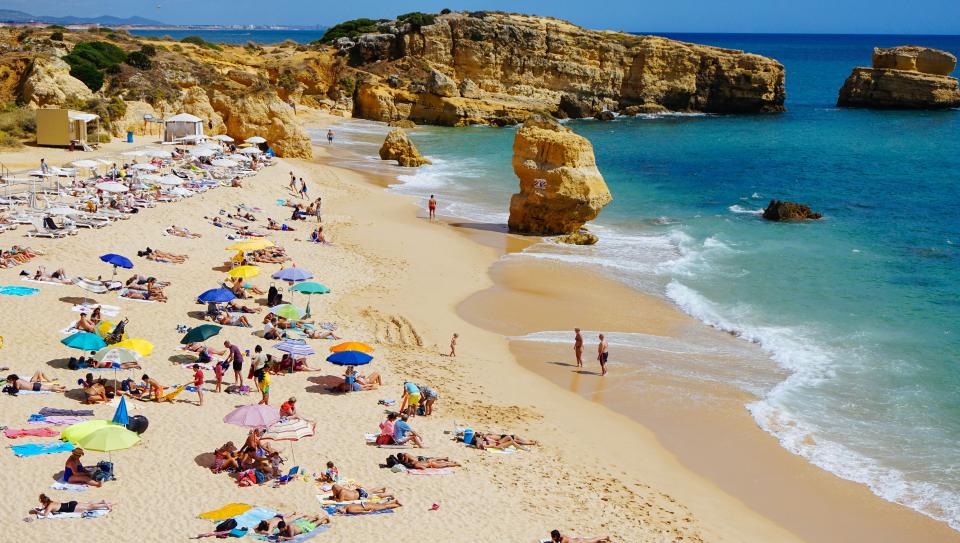
Many people assume you have to travel during holidays, summer or the most beautiful season of the year. That’s when everyone goes, so prices soar and crowds swell. But some choose to travel in the quiet season to enjoy the calm and save money, accepting a few trade-offs.
No season is best for everyone. Each has its own gains and losses, and the choice depends on what you prioritize: price, atmosphere, weather or experience. This article helps you weigh things up so you can pick a time that suits you, instead of following the crowd unthinkingly.
High season: lively but expensive and crowded
High season is when a destination is at its most beautiful or coincides with holidays, so it draws big crowds. The upside is a lively atmosphere, full services, and rich festivals and activities. If you love the buzz and want to see a place at its most dazzling moment, this is the right time.
But the price you pay is no small thing. Flights, rooms and services all jump in price, sometimes many times the usual. Attractions are packed, you have to queue for ages, and it’s hard to get a photo without strangers in the background. If you go this season, book very early and prepare yourself for the crowds.
Low season: quiet and cheap but with trade-offs
Low season is when there are few visitors, usually because the weather isn’t ideal or it doesn’t coincide with holidays. The clearest gains are low prices and quiet. You can negotiate a good room rate, avoid the crowds, take your time enjoying the scenery, and feel the place more fully, closer to the real life of the locals.
In return, you may encounter bad weather, some services closed or running at reduced hours, and a quieter atmosphere. For those who love peace and don’t mind a few inconveniences, this is a wonderful choice. But if you’re hoping for a place bustling with life, the quiet season may leave you disappointed.
Shoulder season: a balance worth considering
Between the two extremes lies a stretch of time called the shoulder season, right before or after the peak. This is often a smart choice because you get most of the best of both: the weather is still fairly nice, services are still running, but prices have softened and the crowds aren’t too heavy yet.
If your timing is flexible, find out whether your destination has a shoulder season and aim for it. Many experienced travelers choose this window because it balances so many factors. It’s the way to avoid the crush and sky-high prices while keeping an experience that’s almost complete.
Weigh it against the purpose of your trip
Which season to choose also depends on why you’re going. If you want to join a specific festival or see a sight that only appears in one particular season, you have to follow its schedule whether it’s crowded or expensive. If you just want to rest and change scenery, your timing is far more flexible and you should pick a quiet time for leisure.
Ask yourself what matters most on this trip. Want to save money? Avoid the peak. Want a lively atmosphere? Accept the crowds. Want quiet and privacy? Choose the off-season. When you’re clear about what you’re looking for, choosing the time becomes simple and you’re less likely to regret it later.
Stay flexible to get good prices
Even within the same season, prices change by the day. Traveling midweek is usually cheaper than the weekend, and avoiding the main holiday date helps you dodge the price peak. If your work allows it, flexibility in your travel dates is a big advantage for scoring good deals on tickets and rooms.
Booking early is also key, especially for high season when everything sells out fast and prices rise over time. Conversely, sometimes traveling at the last minute in the off-season lands you a deal because providers want to fill empty spots. Understanding these patterns helps you actively pick a time that fits both your wallet and your wishes.
Prepare for the season you’ve chosen
Once you’ve decided on a season, prepare for its particular character. For high season, book everything in advance and be patient with the crowds. For low season, check carefully which services are still open, bring gear suited to bad weather, and accept the destination’s slower pace of life.
The right preparation turns each season’s drawbacks into something easy to bear. A raincoat for a rainy off-season, an early-booked ticket for a busy season, all of it helps you enjoy the best of your chosen time without the downsides ruining the fun. Choose right and prepare right, and any trip can be beautiful.
No season is absolutely perfect; there’s only the season that suits or doesn’t suit what you’re looking for. High season offers liveliness but is expensive and crowded, low season offers quiet and low prices but with trade-offs, and the shoulder season is a balance worth considering.
Choose your timing based on your true wishes rather than following habit or the crowd. When you clearly understand the gains and losses of each season and prepare accordingly, then whenever you go, the trip can still become a memorable one in its own way.