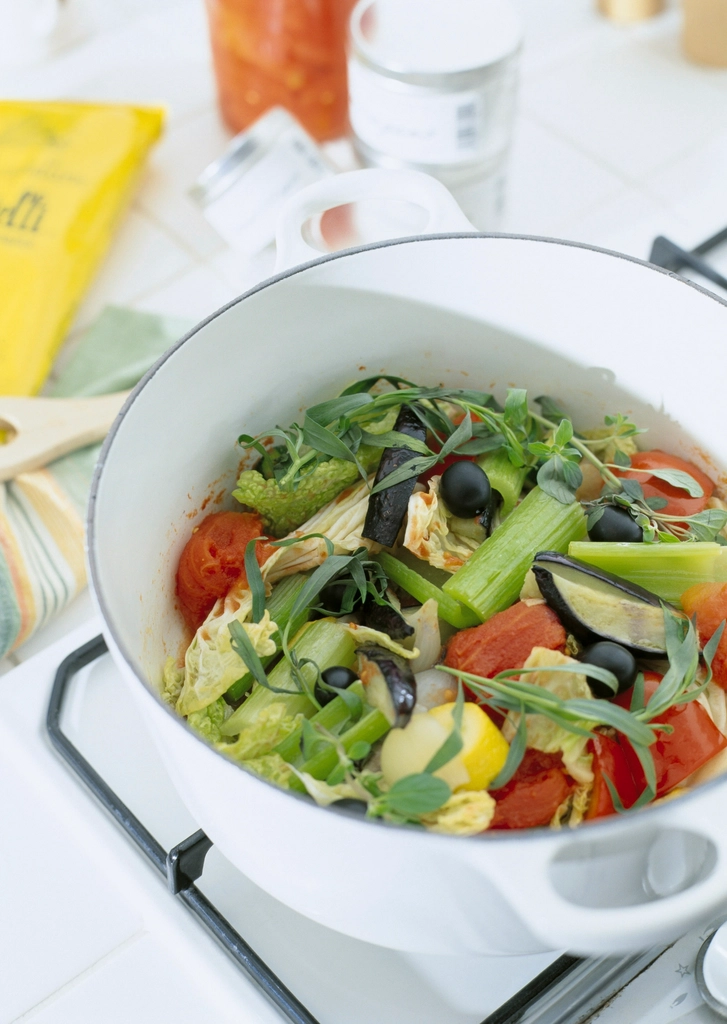
A Vietnamese meal rarely lacks a bowl of soup. Soup keeps the meal balanced, easy to swallow and soothing, especially on sweltering days. Yet many people still find their homemade soup bland or their vegetables mushy and faded.
Cooking a good vegetable soup is actually quite gentle work. Just understand how to give the broth its sweetness, choose fresh vegetables and time when to add them, and you will have a clear, sweet soup that keeps its eye-catching green.
Creating natural sweetness in the broth
The sweetness of a soup should come from the ingredients, not just from seasoning powder. A few dried shrimp, a piece of bone, some minced meat, or clams and mussels all give the broth a natural, clean sweetness. Even a vegetarian soup can turn out sweet thanks to mushrooms, tofu or root vegetables like carrot and chayote.
If using minced meat, season it a little and stir-fry it briefly until firm before adding water, and the soup will be more fragrant. For dried shrimp, soak them soft then pound lightly so they release their sweetness into the broth. This is how people cooked good soup in the old days without much seasoning powder.
Choosing fresh vegetables and prepping them right
Vegetables for soup should be fresh, with leaves that are not bruised or wilted. Katuk, Malabar spinach, amaranth, mustard greens, gourd and squash are all familiar and easy to cook. Rinse the vegetables under running water, soak them briefly in a mild salt solution for a few minutes, then lift them out to drain.
Different vegetables call for different cuts: crush katuk leaves gently to soften them, slice Malabar spinach to bite size, peel and slice gourd and squash. Once prepped, cook right away, since sitting too long wilts the vegetables and drains their fresh flavor.
Add the vegetables at the right moment
The moment you add the vegetables determines their color and crispness. The water must be at a rolling boil before adding them, and for leafy greens cook only until just done, about one or two minutes, then turn off the heat right away. Cooking too long makes the vegetables mushy, yellowed and stripped of vitamins.
For firm vegetables like squash and potato, add them early to cook through and soften, while leafy greens go in last. Season before turning off the heat, and if you like fragrance, sprinkle in some green onion, cilantro or a little pepper. Do not cover the pot right after adding green vegetables if you want to keep their color.
Balancing the flavor for each kind of soup
Each kind of soup is seasoned differently. Sour soup needs a clean tartness from tamarind, pineapple or river-leaf, combined with a little sugar to soften it. Katuk or Malabar spinach soup is simple, needing only fish sauce and a little salt to be well seasoned.
The general principle is to season lightly then taste and adjust gradually, since it is easy to add but hard to take away. A little good fish sauce added at the very end will make the soup more aromatic and rounded than salt alone.
A few easy soups for beginners
If you are not used to it yet, start with simple soups. Katuk soup with minced meat, Malabar spinach soup with dried shrimp, gourd soup with shrimp, or mustard-greens soup with ginger are all very easy and rarely go wrong. Just bring water to a boil, add the sweetness-giving ingredients first, then drop in the vegetables and season.
Once you feel confident, you can try more elaborate soups like sour fish soup, stuffed bitter melon soup or crab soup. Every bowl of soup is a way to refresh the meal and add greens for the whole family.
Seasonal vegetable soup for taste and thrift
Seasonal vegetables are always fresh, cheap and best suited to the weather. Summer brings cooling jute-leaf and Malabar spinach soups, and gourd and squash soups; winter brings mustard-greens soup and warm stewed root-vegetable soups. Cooking soup by season is both economical and takes advantage of vegetables at their peak.
Eating soup by season is also how our grandparents kept their health, since the vegetables of each season tend to suit the body’s needs at that time. Rather than seeking out off-season vegetables that are both pricey and less fresh, notice which vegetables the market has plenty of and choose from those. A soup of whatever the season offers is always a wise choice for the family meal.
A good bowl of soup does not require expensive ingredients or complicated technique, just an understanding of how to draw out sweetness and a respect for the freshness of the vegetables. It is a humble dish, yet one that nourishes the whole family every day.
Next time you go to the market, pick a bunch of fresh vegetables and try cooking a soup following the suggestions above. The meal will feel lighter and more complete with a bowl of clear, sweet broth.