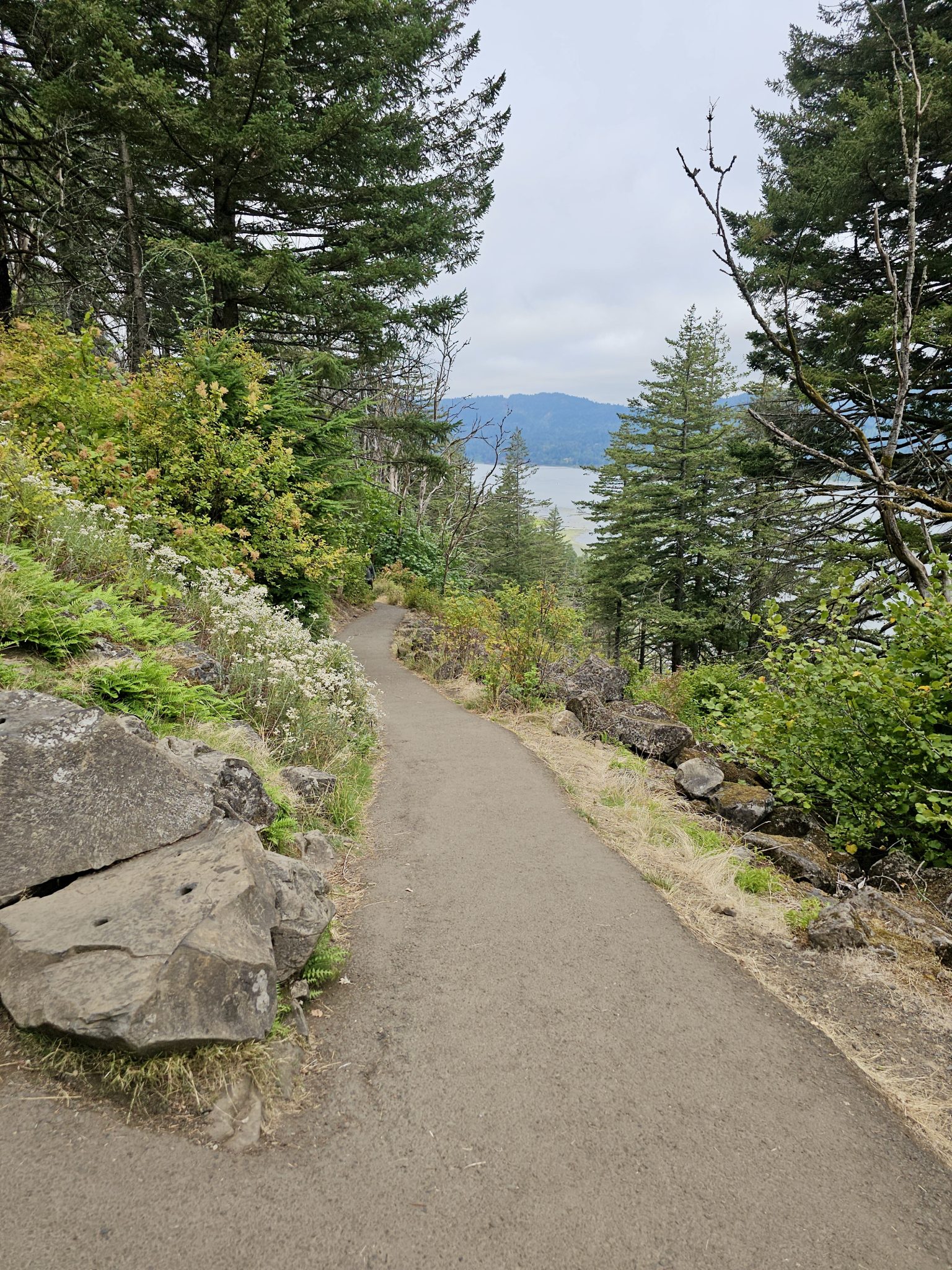
Amid the noise of daily life, many people return to the mountains and forests to breathe, to hear the streams, and to watch the clouds drift. The air up high is fresh, the trees lush green, and standing amid vast nature calms the heart. Mountains and forests have a healing power the city cannot offer.
But the wild is not a park. Rugged terrain, changing weather, and unpredictable risks require serious preparation from anyone who goes. This article helps you enjoy the mountains and forests safely, and know how to cherish the place you set foot in.
Choose a Route That Matches Your Fitness
Not every mountain is for everyone. Before choosing, be honest about your fitness and experience. Beginners should start with short routes, moderate slopes, and clear trails, rather than diving straight into high peaks that demand days of climbing.
Learn carefully about the length, difficulty, travel time, and trail conditions of the route you intend to take. If you’re not experienced, go with someone who is or hire a local guide. They not only show the way but understand the weather, know where to rest, and handle situations a stranger couldn’t foresee.
Gear Up Right for the Terrain and Weather
Footwear is the most important thing in the mountains and forests. A pair of shoes with good grip, a snug fit, and slip resistance will save you from many a near fall. Dress in layers so you can easily shed or add clothing, because temperatures in the mountains change fast between sun and shade, between day and night.
Bring a lightweight rain jacket, a flashlight, a multi-tool knife, and enough drinking water. High in the mountains it can turn deeply cold at night even if the day was warm and sunny, so don’t be complacent and pack only thin clothes. A trekking pole helps ease the strain on your knees and keep your balance on steep sections, especially on the way down.
Water, Food, and Energy
Climbing burns a lot of energy, so you need enough water and energy-rich food. Don’t wait until you’re thirsty to drink; sip steadily to avoid dehydration. Bring light snacks like nuts, cakes, and dried fruit to top up energy along the way without stopping to cook.
Calculate how much water to carry based on the route’s length and the weather. If there’s a stream, find out beforehand whether it’s safe to drink, and bring a filter or purification tablets just in case. Running out of water on the trail is one of the most dangerous situations in the mountains and forests.
Read the Weather and Know When to Stop
Mountain weather is fickle and can turn bad very quickly. Thick fog disorients you, rain makes trails slick and streams rise, cold wind saps your strength. Always check the forecast beforehand and watch the sky as you go. If you see bad signs, don’t push on; find shelter or turn back.
Knowing when to stop is the mark of a wise mountaineer, not a weak one. The summit will still be there next time, but there’s no second chance at safety. Set yourself a time limit; if you haven’t reached the top by then, head back down so you’re home before dark.
Leave No Trace
Mountains and forests are beautiful because they remain pristine, and preserving that is the responsibility of everyone who visits. The simple rule is to carry out whatever you carry in, leaving no trash behind. Even fruit peels or tissues that seem biodegradable soil the landscape and affect the ecosystem.
Don’t pick flowers, break branches, or take anything from the forest. Stay on the trail so you don’t trample the vegetation. If you camp, pitch your tent where permitted and put out the fire completely before leaving. How you treat nature today decides whether those who come after still get to see it intact.
Personal Safety and Sharing Your Itinerary
Before going into the forest, tell someone where you’re going, how long you’ll be, and when you expect to come out. Mountain areas often have no phone signal, so if something happens, that’s the only clue for people to find you. Don’t go alone into unfamiliar, rugged routes if you lack the experience.
Bring a basic first-aid kit and know how to use it. Watch out for insects, snakes, and dangerous drop-offs. Always move as a group, keep each other in sight, and don’t split off on a whim. Caution doesn’t lessen the joy; it’s precisely what lets you keep enjoying trips to come.
Mountains and forests give us the precious gift of living slowly in nature and looking back at ourselves. But that gift is only complete when we step in with thorough preparation and a grateful heart.
Go so that you return in good health, and leave the place as intact as when you arrived. Those who truly love the mountains and forests don’t conquer them, but learn to blend in and preserve them for the feet that come after.