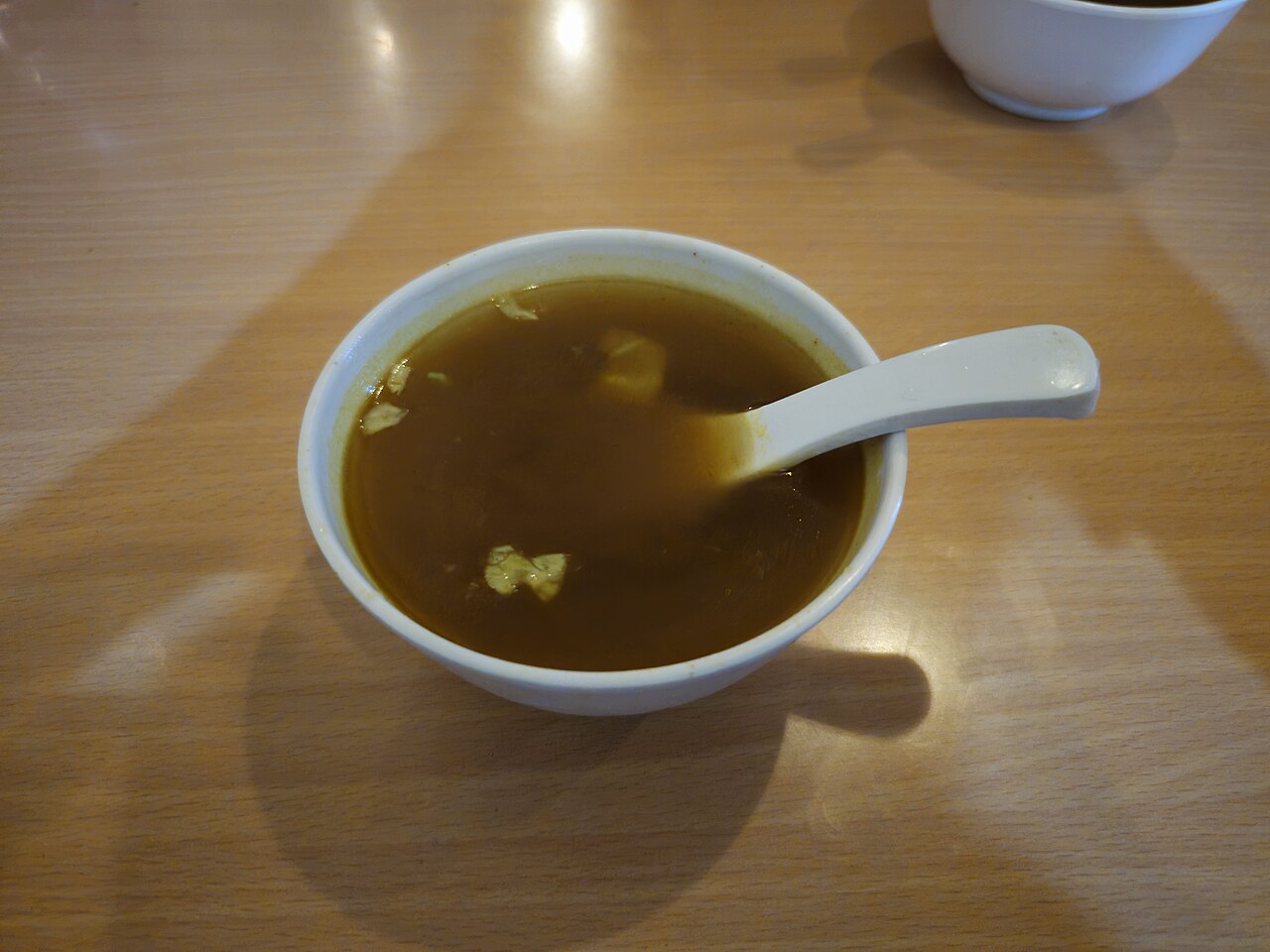
Behind every bowl of pho, bowl of bun or pot of hotpot is a carefully tended pot of broth. Good broth determines most of a dish’s success, and the good news is you can absolutely make it yourself at home without any lofty secrets.
This article shares how to make clear, sweet and fragrant broth from familiar ingredients. Once you grasp the principles, you can make broth for many different dishes and adjust it freely to your family’s taste.
Choosing ingredients that sweeten the broth
Naturally sweet broth comes from bones and meat. Beef marrow bones give a rich flavor, pork bones give a mild sweetness, and chicken gives a light, clean taste. For vegetarian broth, use root vegetables like corn, carrot, white radish and chayote along with various mushrooms to create sweetness.
Choose fresh bones that are still pink and free of any off smell. A reference ratio is about half a kilo to one kilo of bones for two to three liters of water, depending on how rich you want it. Combining several kinds of bones and root vegetables gives the broth more depth of flavor than using just one.
Blanch the bones and skim the scum for a clear broth
For a clear broth, blanching the bones is a must. Put the bones in cold water, bring to a boil for a few minutes to draw out the dirty scum and off smells, then discard this water and rinse the bones clean. This is why shop broth is crystal clear while home broth often turns cloudy.
After putting the blanched bones into a fresh pot of water to simmer, you need to skim the scum regularly throughout, especially in the early stage. The scum that rises is impurities, and if left too long it dissolves back in, making the broth cloudy and off-smelling. Patiently skimming the scum is the key to a clear pot of broth.
Simmer on low heat and do not cover tightly
Good broth needs to simmer gently on low heat for a long time, pork and chicken bones for about one to two hours, beef bones possibly longer. A rolling, furious boil makes the broth cloudy and evaporates it quickly. Low heat lets the sweetness release slowly and keeps the broth clear.
While simmering, leave the lid ajar to let some steam escape, avoiding a cloudy, stuffy-smelling broth. If the water reduces, only add boiling water, not cold water, so as not to interrupt the process and affect the flavor. Once done, strain the broth through a sieve to remove the sediment.
Roast the spices for the signature aroma
The aroma of the broth comes from spices roasted until fragrant. For pho, these are onion and ginger roasted along with black cardamom, star anise, cinnamon and cloves. Roast until fragrant, then put them in a cloth bag and drop it into the pot, easy to remove and keeping bits from floating loose in the broth.
Roasted onion and ginger both remove the gamey smell of the bones and create a signature warm aroma. Choose spices according to the dish: bun bo needs lemongrass and shrimp paste, while chicken pho is lighter. Season at the end and taste and adjust for a rounded flavor before serving.
Storing and making the most of your broth
Broth cooked once can serve many meals. Let it cool, then divide it into containers or bags and freeze it to use over a few weeks. When needed, just thaw and reheat, very handy for busy days.
A basic pot of broth can turn into many dishes: a base for bun, for mien, for soups or hotpot, even for cooking porridge with a sweeter broth. Knowing how to store and make the most of broth helps you cook faster while keeping the meal flavorful.
Common mistakes when making broth
Many people make cloudy broth without understanding why. The cause is usually skipping the bone-blanching step, boiling too vigorously so the broth churns, or not skimming the scum in time. Just fix these three points and your broth will be far clearer.
Another mistake is seasoning too early or adding salt from the start, which makes it hard to adjust the flavor as the broth reduces. It is best to season near the end. Also, too many roasted spices like cinnamon and star anise will make the broth harsh and bitter instead of gently fragrant. Balancing the amount of spices and being patient with low heat is how you avoid these common errors.
Making broth is a lesson in taking it slow: blanch thoroughly, skim the scum evenly and simmer on low heat. The result is a pot of clear, sweet broth that forms the base for countless delicious dishes.
On a free weekend, try simmering a pot of broth and freezing it to use over time. You will be amazed at how quick and flavorful your weekday meals become.