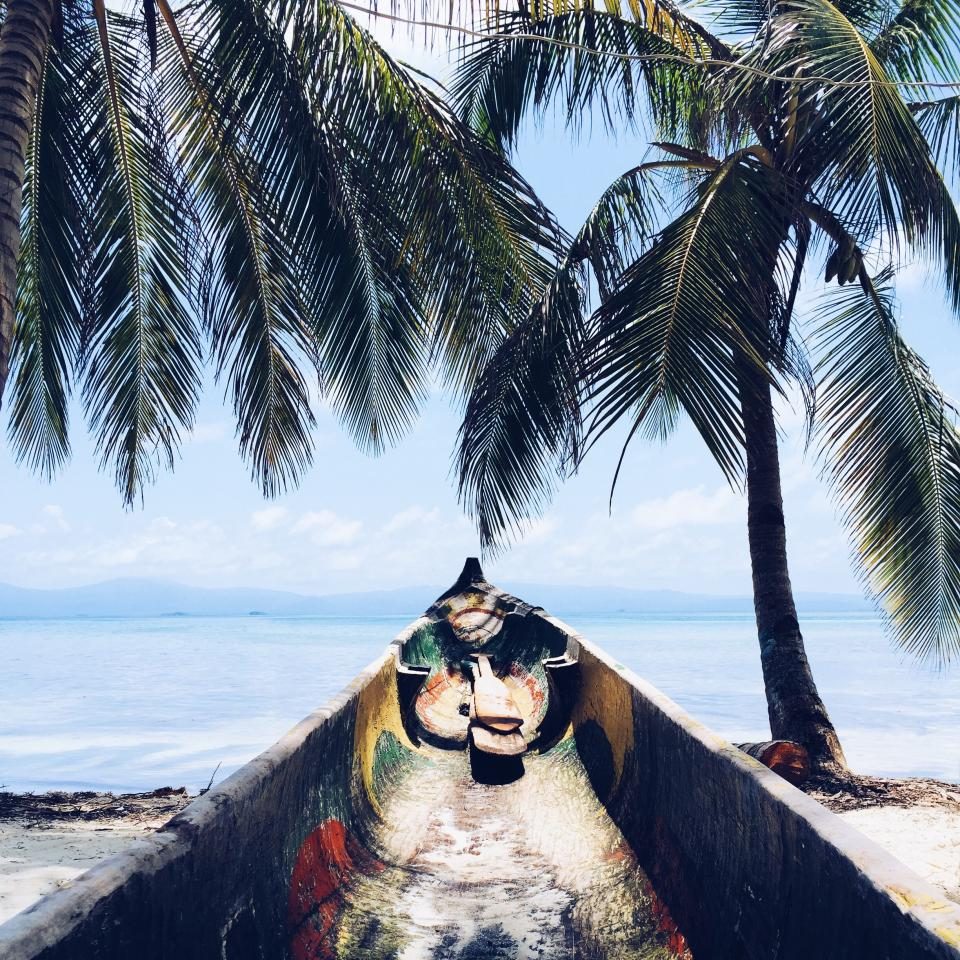
Some seas are most beautiful when you do not stay put but pass through many islands, each with its own mood. One has white sand, another a coral reef, another only a few fishing huts.
But island hopping also means boats, tides, and unpredictable weather. The right preparation lets you enjoy it rather than tire of the mishaps.
Plan around the tides and the boats
In island regions, boat schedules and tides matter more than you think. Set your crossings for the morning, when the sea is usually calmer than the windy afternoon.
Do not cram too many islands into few days. Each transfer costs time waiting for boats and loading gear, so choose fewer places and stay long enough to feel them.
Always leave a buffer day at the end of your plan. Rough seas stopping the boats is common, and you do not want to miss your flight home stranded on an island.
Pack for the marine environment
The sea sun is harsher than you expect, so sunscreen, a wide-brimmed hat, and a long-sleeve rash guard are essential. Choose reef-safe sunscreen if you plan to snorkel.
Electronics need waterproof bags, since salt air and splashes can ruin a device fast. A dry bag for your phone and documents is well worth the investment.
Many small islands have no ATMs or large shops. Bring enough cash, personal medicine, and a few essentials, since you cannot easily restock offshore.
Seasickness and safety on the water
If you get seasick easily, take medication about half an hour before boarding, sit mid-boat, and look toward the horizon. Avoid reading your phone when the boat rocks.
Always note where the life jackets and exits are on board. Follow the crew’s directions, especially getting on and off at slippery piers.
Check the forecast every morning. If there is a warning of rough seas or a storm, do not force your way out just to save the itinerary. The sea will always be there next time.
Snorkel and watch coral responsibly
Coral is the highlight of many island trips, but it is very fragile. Never step on, break, or touch the reef, even for a single beautiful photo.
If you snorkel, keep your distance from the bottom and move your fins gently so you do not stir up sand that harms marine life. Swim with a group and tell someone you are going in.
Do not feed fish your food or take home shells and coral as souvenirs. Leaving the sea intact is the gift you return to the places that gave you joy.
Slow down to the island’s pace
Islands have their own rhythm, slow and bound to tides, boats, and the season’s winds. The harder you force it onto your schedule, the more frustrated you become.
Try letting go of plans, watch the sunset on an empty beach, eat fresh seafood right at the dock, chat with the fishing folk. That is the true flavor of an island.
When you leave, you will remember not the hurried check-ins but the quiet moments of listening to the waves and feeling small beneath sea and sky.
Island hopping is a journey of learning to move with the sea rather than imposing your schedule on it. When you yield to the tides and the boats, each island opens a beauty of its own, enough to remember forever.