Many people know they should save, but at the end of the month they still cannot figure out where the money went. The problem is usually not a small income, but the fact that money sits in one place, so every expense seems reasonable. When everything is drawn from a single account, the line between food money, fun money, and money that must be saved becomes blurry.
The envelope method exists to solve exactly that. The idea is very simple: split your income into fixed portions, each dedicated to one purpose, and when a portion runs out, stop spending on that category. The approach is old but durable, because it turns an abstract number into something you can hold and see.
Why dividing money by category works
The human brain handles concrete limits far better than a vague number. If you only know your account has five million left, each time you spend you will tell yourself there is still plenty. But if the food envelope has only two hundred thousand for the last three days of the month, you immediately know you need to cook at home instead of ordering out.
The beauty of envelopes is that they place the decision at the start of the month, when you are still clear-headed, instead of letting each purchase decide for you. You do not have to fight temptation with willpower every time, because the limit is already set. Spending becomes a matter of following an earlier plan, far easier than reconsidering with each purchase.
Choosing between paper and digital envelopes
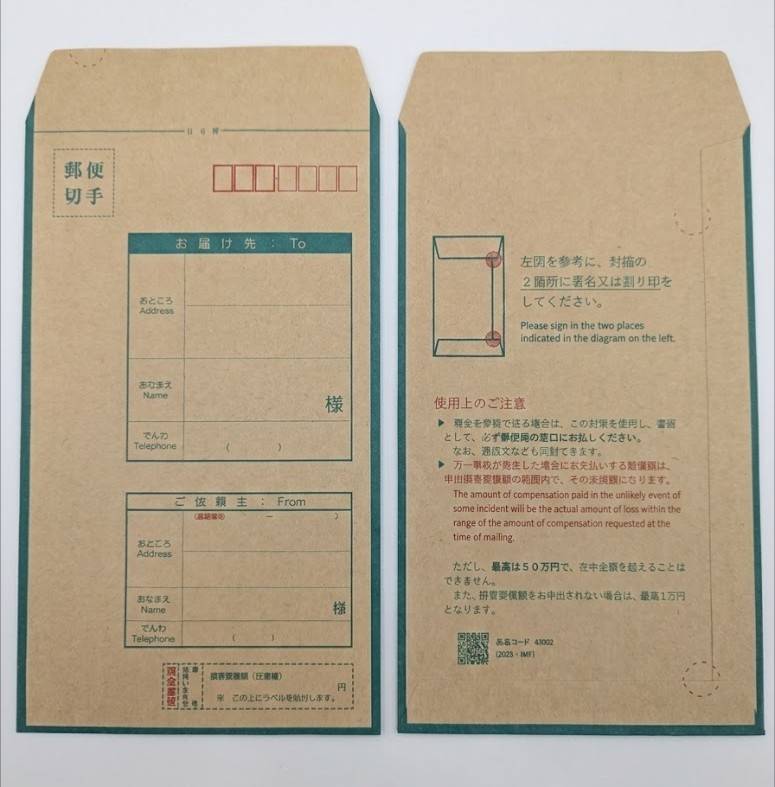
The traditional way is to use real paper envelopes. After getting paid, you withdraw cash and put it into each one: one for groceries, one for fuel, one for coffee with friends, one for weddings and funerals. This is very visual because you watch the money truly dwindle, but it is inconvenient now that most transactions are done by bank transfer.
The modern version uses multiple accounts or multiple wallets within a banking app. You can open a few free sub-accounts, name each one clearly, and move money into them as soon as your salary arrives. Some people use a simple spreadsheet, one row per envelope, updating the balance after each expense. Which method you pick matters less than whether you actually keep it up.
How many envelopes to start with
A common beginner mistake is splitting into too many categories from the start. Fifteen envelopes may sound detailed but will leave you discouraged within the first week. Start with four to six large groups: fixed costs like rent and utilities, daily food, transport, personal spending, and one envelope for savings.
After a month or two, you will see which groups tend to run over and which have a surplus. Only then should you split or merge them to fit your real life. A good budget is one that reflects how you live, not a template that forces you to live differently.
What to do when an envelope runs out early
Sooner or later there will be a month when the food envelope empties before your next payday. This is exactly when the method proves its worth, because it forces you to face a real choice. You can move some over from the entertainment envelope, but do it consciously and remember that your entertainment portion is now thinner.
What you should avoid is quietly drawing from your savings envelope to cover spending, then acting as if nothing happened. If you have to borrow from yourself like this every month, that is a sign the budget does not match reality and the numbers need adjusting at the start of the next month, rather than being patched over again and again.
Do not forget an envelope for irregular expenses
Many budgets collapse because they only account for regular monthly expenses and forget the costs that appear a few times a year: car insurance, home repairs, wedding gifts, extra tuition, health checkups. These do not come every month but will surely come, and when they do they are usually sizable.
The way to handle them is to set up a separate envelope and put a little into it each month. If you estimate that irregular expenses cost around twelve million a year, set aside one million a month for them. When a large expense arrives, you already have the money ready and do not have to break every other envelope or borrow in a hurry.
Make it a habit, not a burden
The envelope method only works if you keep it up consistently. Pick a fixed moment, such as the evening you get paid, to divide the money into groups. This takes only about ten minutes but sets the tone for the whole month. Attaching it to something you already do regularly will help it become a routine.
Do not demand perfection of yourself. There will be months when you drift off, when an envelope goes over, when you forget to update. That is normal. The value of the method lies not in absolute precision but in the way it keeps pulling your attention back to your money, so you always know where you stand instead of being surprised at the end of the month.
Envelope budgeting does not require you to be good at math or to use complicated tools. It only asks you to decide in advance where each dong will go, then respect that decision as best you can. It is that clarity that makes the difference.
Try it for one month with a few simple envelopes. You will be surprised by the sense of control it brings, and from there you can fine-tune it to fit your own life.