We usually only think about our gut when something goes wrong, like bloating, indigestion, or constipation. But the digestive system works quietly every day, not only to absorb nutrients but also to influence the body’s overall sense of wellbeing.
Inside everyone’s gut are countless bacteria, and not all of them are bad. Many of them are helpful friends that contribute to digestion and overall health. Caring for the digestive system and nurturing these good bacteria is an important part of living well.
The gut is more than a place of digestion
The digestive system is well known for its role in breaking down food and absorbing nutrients. But it’s also home to a crowded community of microorganisms, likened to a small ecosystem inside the body.
These beneficial bacteria take part in digestion, helping the body process certain food components that we would struggle to digest without them. A balanced microbiome usually goes hand in hand with smooth digestion and a light feeling after a meal.
Eat a varied diet to nourish good bacteria
Good bacteria need food to thrive, and their favorite food is fiber from plants. A varied diet with many kinds of vegetables, fruits, beans, and whole grains provides a rich source of nourishment for the microbial community in the gut.
Variety here is well worth noting. Eating many different kinds of plants is usually better than focusing on just a few dishes. Each vegetable feeds different groups of bacteria, and a rich microbiome is usually tied to a healthier gut.
Traditional fermented foods
Vietnamese cuisine, like many other cultures, has long had fermented dishes such as pickled vegetables, pickled eggplant, and yogurt. The fermentation process creates beneficial bacteria, and eating these dishes in moderation can add more good bacteria to your gut.
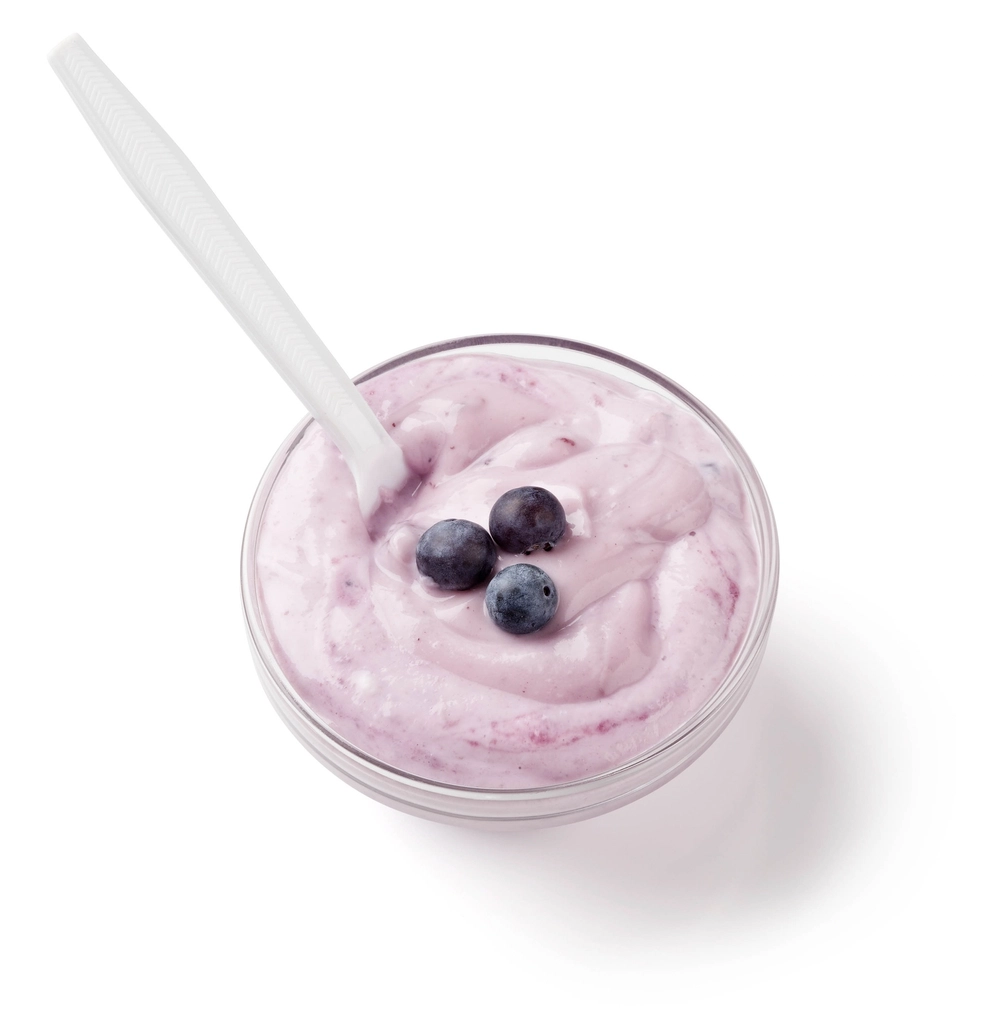
Yogurt is a familiar example and easy to include in daily meals. With pickled dishes, choose naturally fermented ones and eat them in moderate amounts, since they tend to be quite salty. Skillfully working these dishes into your diet is a traditional yet effective way to care for your gut.
Eating habits affect digestion
It’s not only what you eat but how you eat that matters. Eating too fast, gulping down food without chewing thoroughly, makes the stomach work harder and can cause bloating. Eating slowly and chewing well lets digestion begin right in the mouth and gives the body time to recognize fullness.
Eating too much in one meal or eating late close to bedtime also burdens the digestive system. Spacing meals reasonably, eating on time, and not overstuffing yourself help the gut run steadily and more comfortably. Drinking enough water also supports digestion and prevents constipation.
Movement and mood are involved too
Few would guess that movement is good for digestion. Regular physical activity helps stimulate intestinal motility, making digestion run more smoothly and reducing the risk of constipation. A gentle walk after a meal often brings a pleasant feeling.
The gut is also sensitive to your mental state. Many people notice that when they’re stressed or anxious, their stomach feels off too. The two-way link between mind and gut shows that caring for your mind is also an indirect way of caring for your digestive system.
Listen to your body’s signals
Everyone has a digestive system with its own particular traits. A dish that suits one person may upset another. Observing how your body reacts after eating helps you recognize which foods suit you and which you should limit.
If you have digestive problems that are prolonged, persistent, or unusual, don’t hesitate to seek advice from a professional. For most everyday cases, a varied, fiber-rich diet along with a healthy lifestyle is enough to keep the gut healthy and comfortable.
Caring for your digestive system and its good bacteria doesn’t require anything complicated. Eating a variety of plants, adding a little fermented food, eating slowly, staying active, and keeping your mind at ease are solid foundations.
When the gut is healthy, the whole body usually feels lighter and more full of life. Start by adding a little green to your meal today.