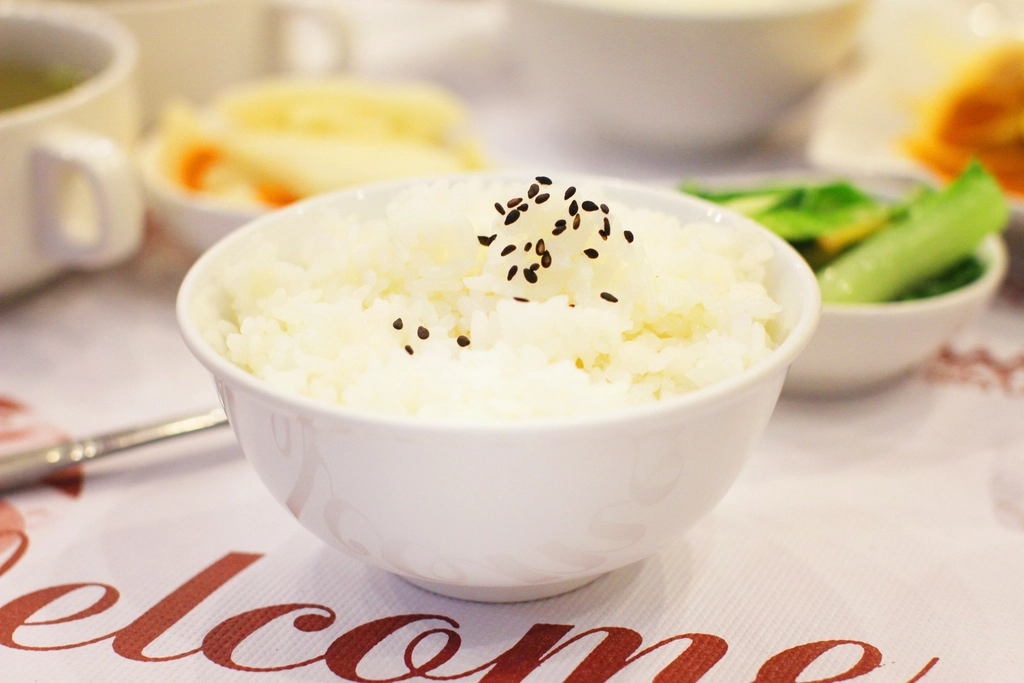
Here is an interesting thing: every meal has rice, yet we rarely pause to ask whether we have cooked it truly well. Great rice is not a matter of a skilled chef or an expensive cooker, but the result of a few simple habits repeated day after day.
This article gathers practical tips from an ordinary kitchen, no special equipment required. Just pay a little attention to rinsing the rice, measuring the water and letting it rest, and your everyday pot of rice will be transformed.
Choosing and storing rice properly
Good rice determines most of the quality of the pot. Freshly harvested rice is usually more tender and fragrant than old rice, but very fresh rice holds more moisture and needs less water when cooking. When buying, give it a sniff: good rice has a natural, mild fragrance, with no musty smell or the harsh odor of preservative chemicals.
At home, store rice in a sealed container in a dry place, away from sunlight and moisture. A little trick is to drop a few dried garlic cloves or dried chilies into the rice bin to keep weevils away. Do not buy too much at once if your household is small; rice kept for several months gradually loses its tenderness and fragrance.
Rinse just enough, do not overdo it
Many people habitually rinse rice until the water runs completely clear, thinking that means it is clean. In fact, the bran layer on the outside of each grain holds many nutrients and much of the fragrance, and rinsing too hard washes it all away. You only need to rinse gently two or three times to remove dust and dirt.
When rinsing, stir gently with your hand instead of scrubbing hard and breaking the grains. If the rice is clean and from a trusted source, sometimes a single rinse is enough. The first rinse water can be saved to water plants or wash dishes, saving waste.
Measure water by the type of rice, not a rigid formula
The water ratio is what makes rice mushy or dry. A common formula is one part rice to one and a half parts water, but this figure is only a reference, since each type of rice absorbs water differently. Old, dry rice needs more water, while fresh rice needs a little less.
A very effective folk method is to add water to about one finger-joint above the surface of the rice, roughly the length of the first knuckle of your index finger. After a few cooks, you will get a feel for the amount of water that suits your household’s rice. Remembering that ratio for next time gives you a consistent pot of rice.
Soak the rice and let it rest after cooking
If you have time, soaking the rice for about fifteen to twenty minutes before cooking helps the grains swell evenly, cook through and turn out more tender. It is a small step but makes a clear difference, especially with drier long-grain rice.
Once the cooker signals it is done, do not rush to open the lid and fluff it right away. Let the rice rest another ten minutes in the pot so the steam distributes evenly, the grains firm up and the bottom does not turn mushy. Then fluff the rice from the bottom up to let the steam escape, and it will be light and not clumpy.
A few twists to make rice more appealing
With just a few common ingredients, you can make a pot of rice less monotonous. Adding a spoonful of cooking oil or a few drops of sesame oil while cooking makes the grains glossy and fragrant. A few drops of lime juice also make the rice whiter and fluffier.
On days you want a change, try cooking rice with chicken broth instead of plain water, or mix in some lotus seeds, beans or diced sweet potato. For slightly firm brown rice, a longer soak and a little extra water make it much easier to eat. These small changes turn an everyday meal into something to look forward to.
Rescuing rice that turns out dry, mushy or scorched
The pot of rice is not always perfect, but many mistakes can be fixed. If the rice is dry, sprinkle a little boiling water over the surface, toss gently, then cover and let it rest a few more minutes; the steam will soften the grains again. Conversely, if the rice is a bit mushy, open the lid, fluff it to let some steam escape and switch the keep-warm mode back on for a while.
Rice scorched at the bottom is a familiar nightmare. When you smell scorching, turn off the heat immediately, gently scoop the rice from the top into another pot and avoid stirring down into the burnt layer. Place a piece of bread or an onion on top of the rice and cover for a few minutes; they will absorb some of the burnt smell. These small tips help you save the meal instead of wastefully throwing it out.
Cooking great rice is not a lofty skill but attention paid to very small things, repeated every day. When you pay a little more attention, the rice repays you with a pleasant, tender fragrance.
Try applying one or two tips from this article to tonight’s dinner, then gradually adjust to your own rice and cooker. A great meal begins with just such humble habits.