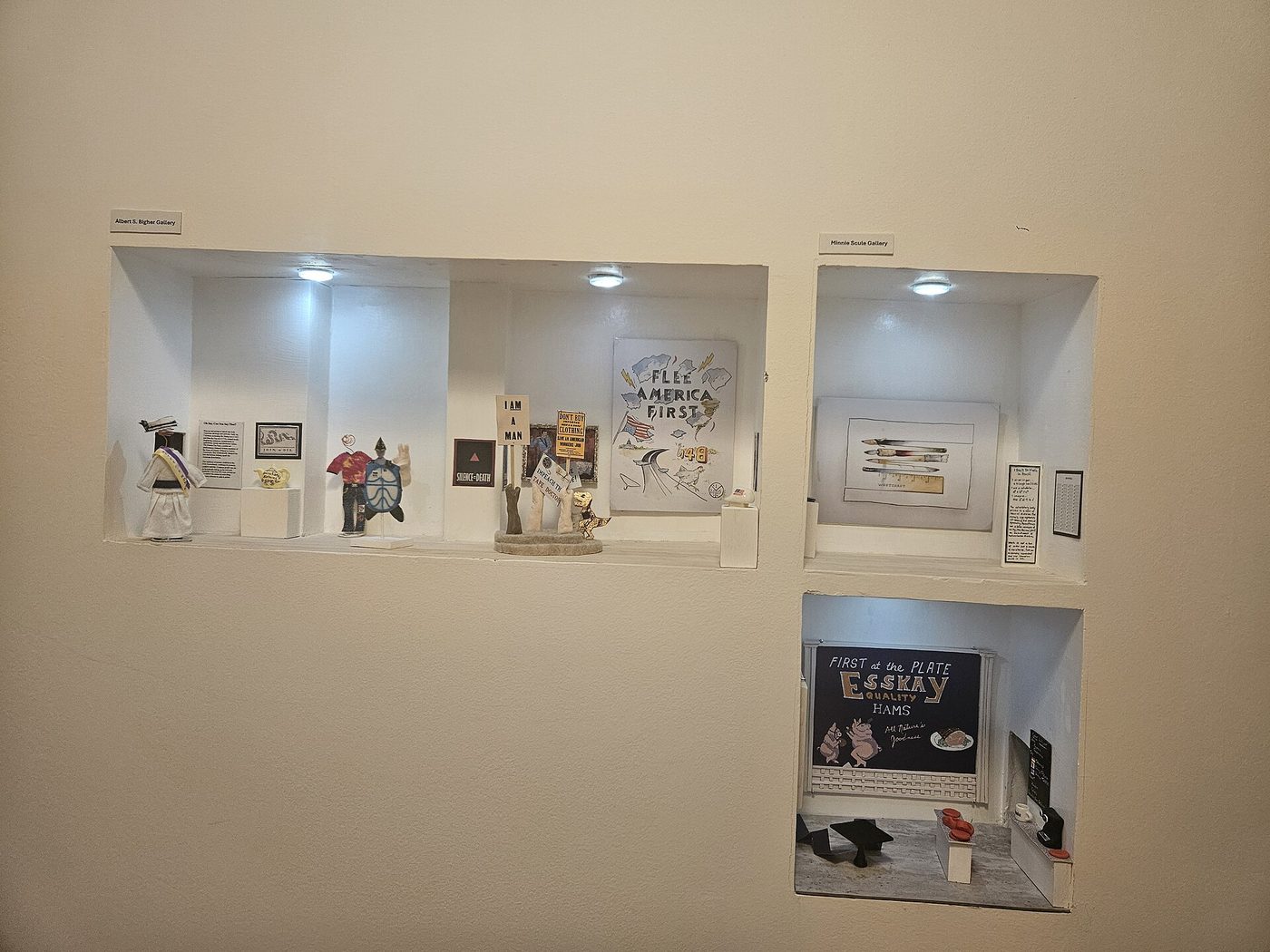
Many people dread museums, fearing boredom, picturing silent rooms full of glass cases. But once you know how to look, each object is a door into the lives of people long ago.
Museums and historic sites help you understand why a place became what it is today. Going with curiosity and a little preparation, a visit becomes a journey through time.
Prepare so you are not overwhelmed
A large museum may hold thousands of objects, and seeing them all in a day is impossible and exhausting. Before you go, learn which sections it has and pick a few themes that interest you most.
Check opening hours, closing days, and times with free guided tours. Many museums have free-admission days or quiet hours well worth timing your visit around.
Eat well and wear comfortable shoes, since a museum involves more walking and standing than you expect. A bottle of water and an unhurried mindset help you enjoy rather than trudge to the end.
Be selective rather than trying to see it all
Trying to see every object means you only skim them all and remember nothing. Better to linger over a few that truly captivate you than rush past a hundred glass cases.
Allow yourself to skip sections that are not to your taste. No one forces you to like everything, and being selective saves energy for what is truly memorable.
If you tire, rest on a bench, in the courtyard, or at the museum cafe. Seeing a museum in short bursts is far more effective than pushing through in one go.
Read the captions and listen to the guide
An object standing alone says little, but with the caption read, it suddenly holds a story. Take time to read those small labels beside it; they are the key to meaning.
A guide or audio device often tells what is not on the label: the context, anecdotes, curious details. They make an object far more alive.
Do not hesitate to ask museum staff when something intrigues you. Many of them love their work and are glad to share stories few people know.
At a historic site, use your imagination
An old rampart or a ruined foundation can look ordinary if you only look with your eyes. But when you imagine how crowded and lively this place once was, it gains a soul.
Learn what happened there, who once lived, what came to pass. Standing where history once walked, with the right picture in mind, is an unforgettable feeling.
Respect the site: do not climb on the objects, do not carve or draw, do not take away a single brick or stone. It is shared heritage to keep for those who come after.
Carry a story home rather than just a photo
Instead of taking many photos and forgetting them, choose a few objects or stories that truly touch you and remember them. That is what stays.
Jot a few lines in a notebook about what surprised or moved you. Reading it later, you will recall not just the object but the feeling of standing before it.
A good museum visit often leaves a question or a new curiosity. If you walk out wanting to learn more about something, the trip was well worth it.
Museums and historic sites are not just for history buffs. Go slowly, be selective, and open your curiosity, and you will find the past is not dry at all but full of stories about people themselves, in every age.