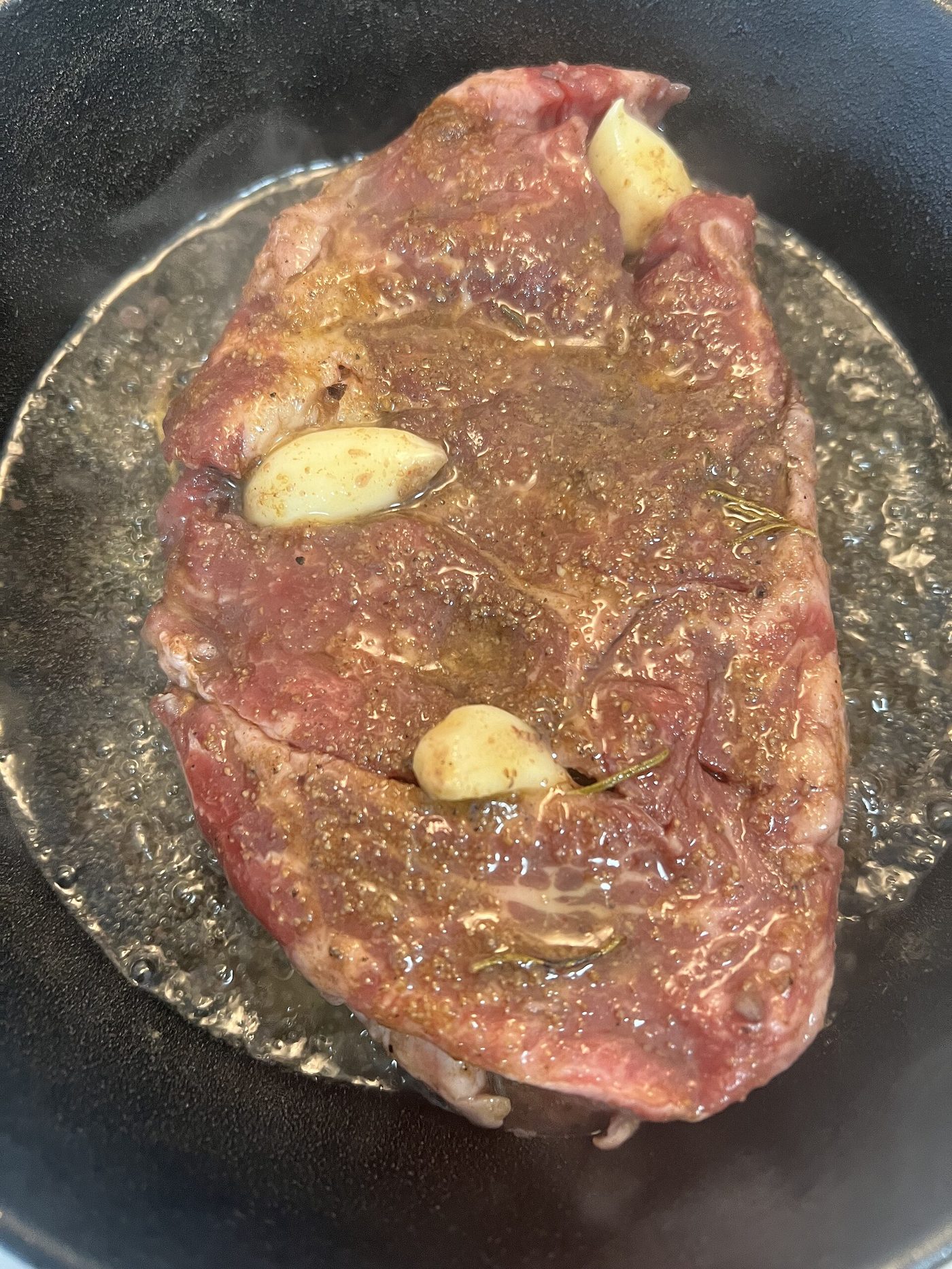
Cast iron is one of the most worthwhile kitchen tools because its lifespan is nearly endless when cared for right. Unlike chemical-coated nonstick pans, cast iron builds its nonstick surface from cooking oil over time.
Many shy away from cast iron on rumors that it’s hard to keep, but the care is really simple and quick. Grasp a few principles and you’ll have a pan that grows lovelier and more flavorful the more you use it.
Understanding the Seasoning
The nonstick layer on cast iron, called the seasoning, forms when cooking oil is heated onto the surface and polymerizes into a glossy coat. The thicker and smoother this layer, the better the pan releases food.
New pans usually come pre-seasoned from the factory, but you should still add more so the coat grows sturdier. Every time you cook with oil, you unknowingly build up this layer further.
Seasoning the Pan
Wash and dry the pan thoroughly, then rub a very thin layer of oil inside and out, so thin it’s almost wiped off. Then place the pan upside down in a hot oven for about an hour and let it cool inside.
Repeat a few times if you want a thick coat from the start. The crucial point is the oil must be very thin, since excess leaves sticky streaks rather than a glossy layer.
Washing the Pan Right
Wash cast iron with warm water and a brush right after use, avoiding long soaking since iron rusts easily. For stubborn stuck-on bits, sprinkle coarse salt as a scrub and gently work it off.
Many avoid soap, but a little mild dish soap won’t destroy a well-established seasoning. What matters more is not scrubbing with a rough metal scourer that scratches the coat.
Drying and Oiling After Each Wash
After washing, dry the pan at once and you can heat it on the stove a few minutes to drive off all moisture. Leaving iron damp is the shortest road to rust.
While the pan is still warm, rub a very thin layer of oil over the surface and wipe it dry again. This small habit keeps the coat strong and the pan ready for next time.
Handling Rust or a Stripped Coat
If the pan rusts or the coat flakes off in patches, don’t rush to toss it, since cast iron can almost always be saved. Scrub off the rust with a scourer and some salt, wash and dry it, then season it from scratch.
After a few rounds of seasoning, the old pan comes back to life like new. This very recoverability is what makes cast iron a tool that can pass down through generations.
Caring for cast iron isn’t the chore rumor claims, needing only a gentle wash, a good dry, and a steady rub of oil. In return you get a durable, naturally nonstick pan that grows dearer with every year.