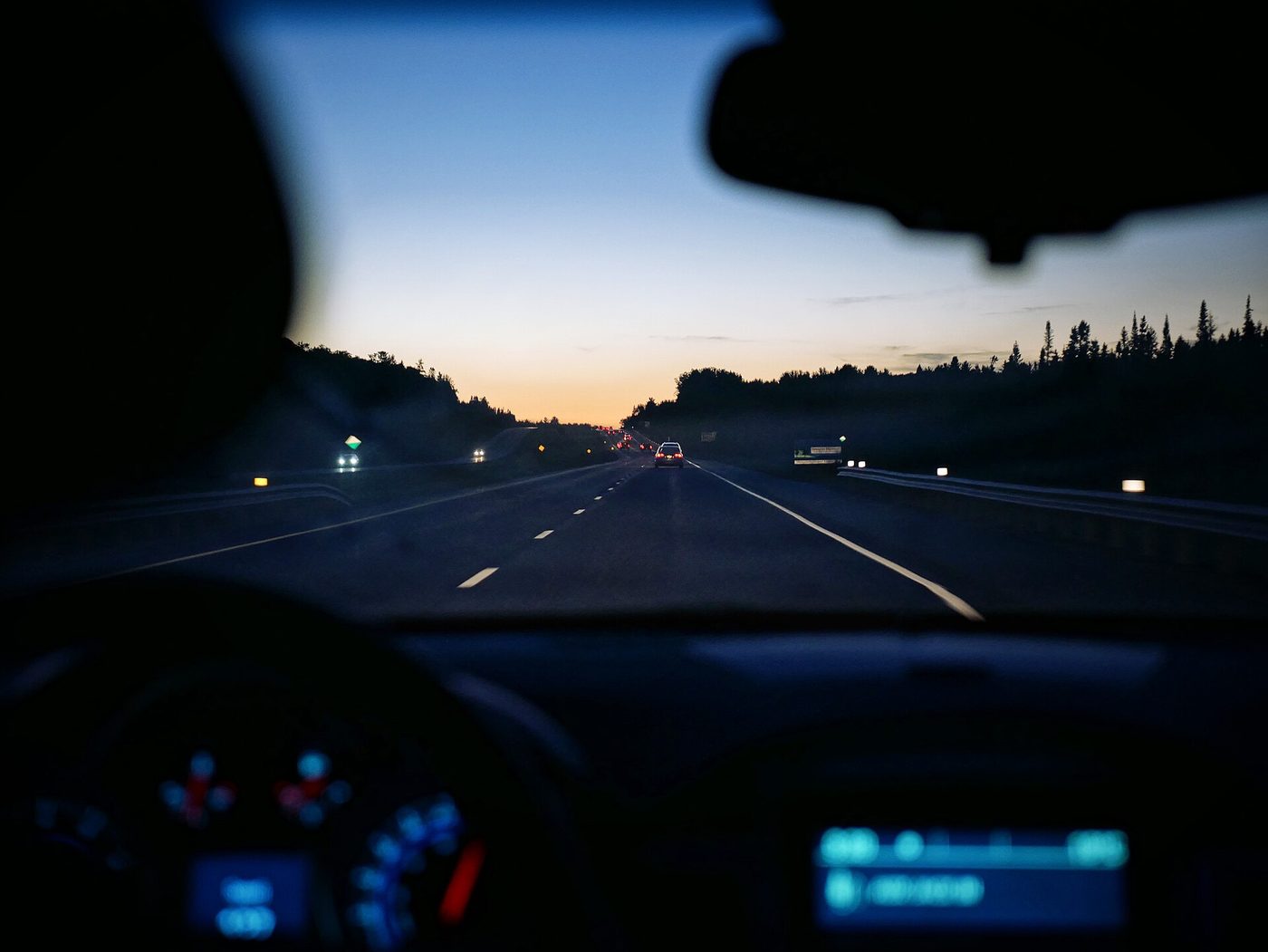
Driving yourself far brings an irreplaceable sense of freedom: stop where you please, take whatever road you like, tied to no train or bus schedule.
But behind that freedom lies responsibility for the safety of yourself and those with you. A long trip needs careful preparation and a clear head throughout.
Check the car before you roll
Before a long trip, check the tires, brakes, oil, coolant, and lights. A small service at home is far cheaper and easier than a breakdown on an empty road.
Make sure you have a good spare tire, a jack, a wrench, and know how to change a tire. Carry jumper cables, a warning triangle, and a basic tool kit.
If you rent, take time to learn where the lights, wipers, gear lever, and buttons are before hitting the main road. Photograph the car’s condition on pickup to avoid disputes at return.
Plan your legs and rest stops
Break the journey into reasonable legs, resting roughly every two hours. Plan meal, fuel, and restroom stops ahead so you are not stressed searching for them.
Avoid driving too many hours in one day. Fatigue builds up and slows your reflexes, and a dull long road easily makes you careless without noticing.
Study the route on a map, noting mountain passes, bad roads, or areas prone to jams. Download offline maps in case you enter a zone with no signal.
Fight drowsiness and stay alert
Drowsiness at the wheel is one of the greatest dangers on a long road. Sleep well the night before, and never force yourself to keep driving when your eyes are closing.
If you yawn constantly, struggle to focus, or startle awake, pull into a safe spot and nap fifteen minutes. A short sleep is worth far more than many cups of coffee.
If you travel with someone who drives, take turns at the wheel. Opening a window for air, playing moderate music, and chatting also help keep you alert on monotonous stretches.
Drive safely on unfamiliar roads
In an unfamiliar place, keep a moderate speed and a safe distance from the car ahead. Signs, rules, and traffic habits differ region to region, so watch carefully.
Take care driving at night, in rain, or in fog, when visibility drops sharply. If conditions are too bad, do not hesitate to find a place to rest and continue at daylight.
Always buckle up everyone, including passengers in the back. Do not use your phone while driving; if you must, pull over to a safe spot.
Arrange the space inside for comfort
A car on a long trip is a mobile home. Pack tidily, keeping water, snacks, and frequently used items within reach, and heavy or rarely used things in the trunk.
Prepare music, playlists, or audiobooks for the long stretches. They make the journey less monotonous and help the driver stay alert.
Bring a small trash bag, wet wipes, and a sick bag in case a child gets carsick. These small things keep the space inside clean and pleasant the whole way.
A long road trip is a trade-off between freedom and responsibility. When you prepare well, rest at the right times, and always put safety above speed, the road opens up countless ways to explore on your own terms.