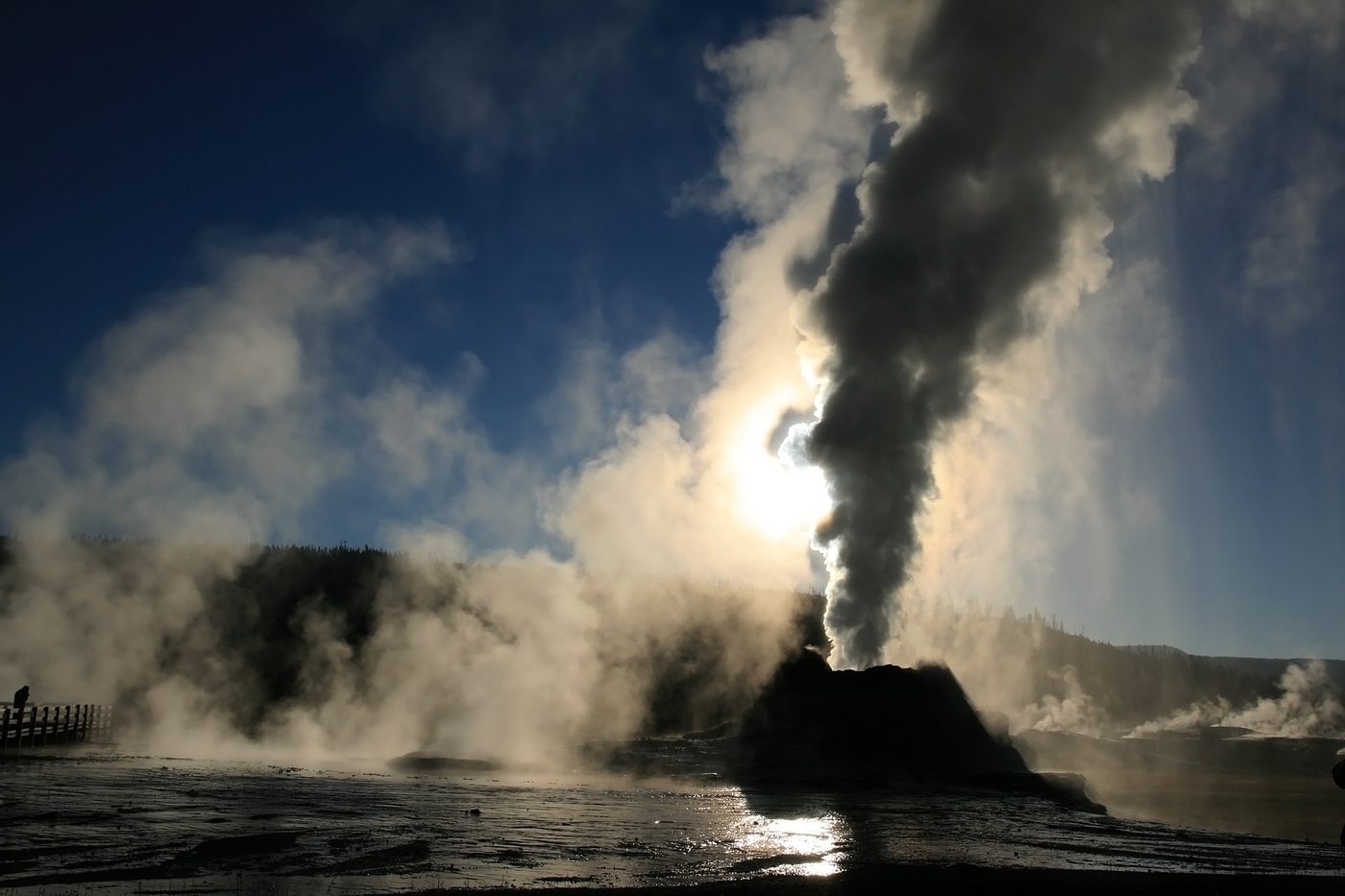
After a long day on the road, little is as soothing as sinking into a steaming hot spring. The warmth seeps into every tired muscle, and a sense of ease spreads through the body.
But hot springs are not only for carefree enjoyment. The high heat and minerals in the water affect the body, so knowing how to soak properly leaves you healthier rather than drained.
Know your body before you soak
Hot water dilates blood vessels and raises the heart rate, so people with heart conditions, high blood pressure, or pregnant women should consult a doctor first. Do not be careless just because others soak fine.
Do not soak right after a heavy meal, when faint with hunger, or after drinking alcohol. At those times, a sudden temperature change can easily leave you dizzy or faint.
If you have an open wound, avoid shared springs to protect yourself and others. Sensitive skin should also test a small area first against the mineral water.
Soak properly so you do not overdo it
Enter the water gradually, letting your body adjust to the heat rather than plunging in. Start by soaking your feet, then go deeper.
Soak only fifteen to twenty minutes at a time, then get out to rest, drink water, and soak again. Staying in too long strains the heart and dehydrates you.
Drink enough water before, during, and after, since you lose more through sweat than you realize. If you feel dizzy, tight in the chest, or nauseous, get out at once.
Use the benefits for muscles and joints
Warm water relaxes muscles and eases joint pain, ideal after days of much walking or climbing. Gently massage your shoulders and legs while soaking to boost the effect.
Alternating a hot soak with a moderate cool rinse can improve circulation. But do not change temperature too abruptly if you are not used to it.
After soaking, dry off, dress warmly, and rest a while before heading out into the cold. This is when the body needs warmth to make the most of the relaxation.
Keep clean and considerate in public
Rinsing off before entering a shared spring is basic courtesy that keeps the water clean for everyone. Many places have their own rules on this, so follow them.
At traditional-style hot springs, there may be rules about clothing or separate areas for men and women. Observe and ask first so you do not break the rules by accident.
Talk only loud enough to be heard, keeping the space quiet since many come here to rest. A hot spring is a place to relax, not a noisy gathering spot.
Choose a wild spring or a resort
A wild hot spring in the forest feels closest to nature, but usually has no staff or lifeguards. For these, go with a companion and take extra care.
A resort with mineral springs is safer, cleaner, and more comfortable, suiting families or beginners. In exchange, you lose some of the wildness and quiet.
Whichever you choose, learn the heat, depth, and reputation of the place beforehand. A little preparation turns a soak into a pleasant memory rather than a risk.
A hot spring is nature’s gift to a body worn out from the journey. Soak properly, listen to your body, and respect the shared space, and you leave the spring feeling light in both body and mind.