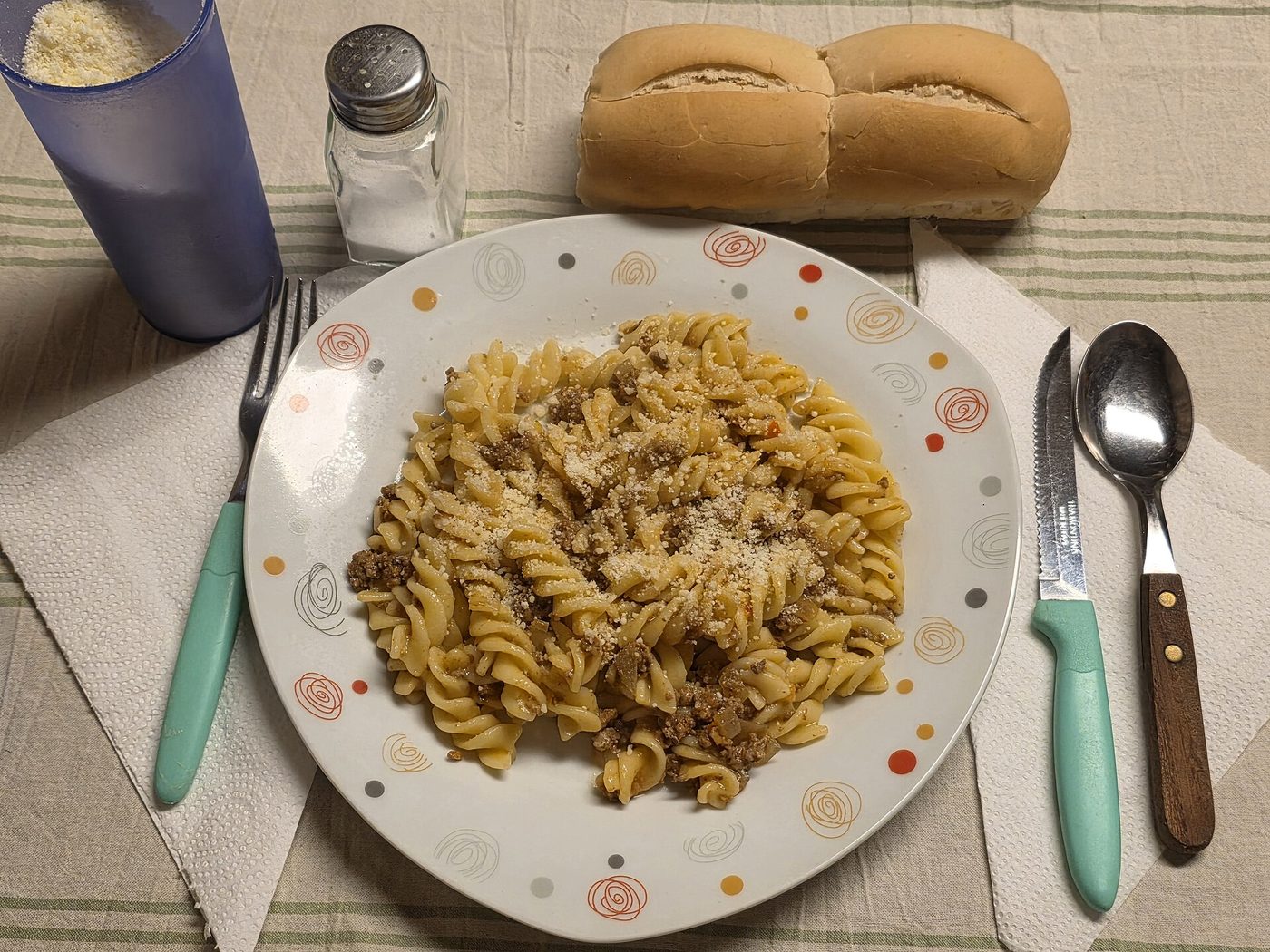
Many people boil pasta, rinse it cold, then ladle sauce on top, and wonder why the noodles stay loose and the sauce won’t cling. The secret lies in a few small habits Italians treat as obvious.
This piece packs in the basics for a delicious homemade plate: salty water, al dente timing, and saving the pasta water. No pricey ingredients needed, just the right order of steps.
Plenty of Water, Salty as the Sea
Boil pasta in a wide pot so the noodles have room to swim and don’t clump together. Roughly a liter of water per hundred grams of pasta is comfortable.
Season the water clearly, about a tablespoon of salt per liter, since this is the only moment pasta takes flavor from within. Don’t add oil to the water, as it only keeps the sauce from clinging later.
Timing for Al Dente
Al dente means cooked through but still firm at the core when you bite. Check the suggested time on the package and scoop a piece a minute early, since the pasta keeps cooking when tossed with hot sauce.
Overcooked pasta turns mushy and loses its texture, so it’s better to pull it early than leave it long. If you’ll toss it with sauce on the stove, pull it even earlier and let it finish in the pan.
Saving the Pasta Water
Before draining, scoop out a cup of the cooking water. This cloudy, starchy liquid is the secret to a sauce that thickens and clings evenly to each strand.
When tossing pasta with sauce, add the water a splash at a time and stir until the sauce turns silky and hugs the noodles. This is the step that turns a dry plate into a glossy one.
Tossing Pasta with Sauce in the Pan
Don’t pour sauce over pasta already on the plate; instead add the pasta to the hot sauce in the pan and toss together for a minute or two. This lets the pasta soak up the flavor rather than just sitting beneath it.
Add pasta water as you toss if it looks dry, and cut the heat once the sauce coats evenly. Finish with grated cheese or a drizzle of olive oil to round out the flavor.
Matching Pasta Shape to Sauce
Thin, light sauces suit slender strands like spaghetti, while thick meaty sauces suit short ridged tubes that hold the sauce. Pairing the right shape with the sauce visibly improves the dish.
There’s no rigid formula, but the general rule is the thicker the sauce, the more the pasta needs to grip it. Try a few combinations and you’ll find your own favorite pairings.
Cooking great pasta is a matter of habit, not talent: salty water, al dente timing, saved pasta water, and tossing in the pan. Nail those four things and your pasta will rival any restaurant’s.