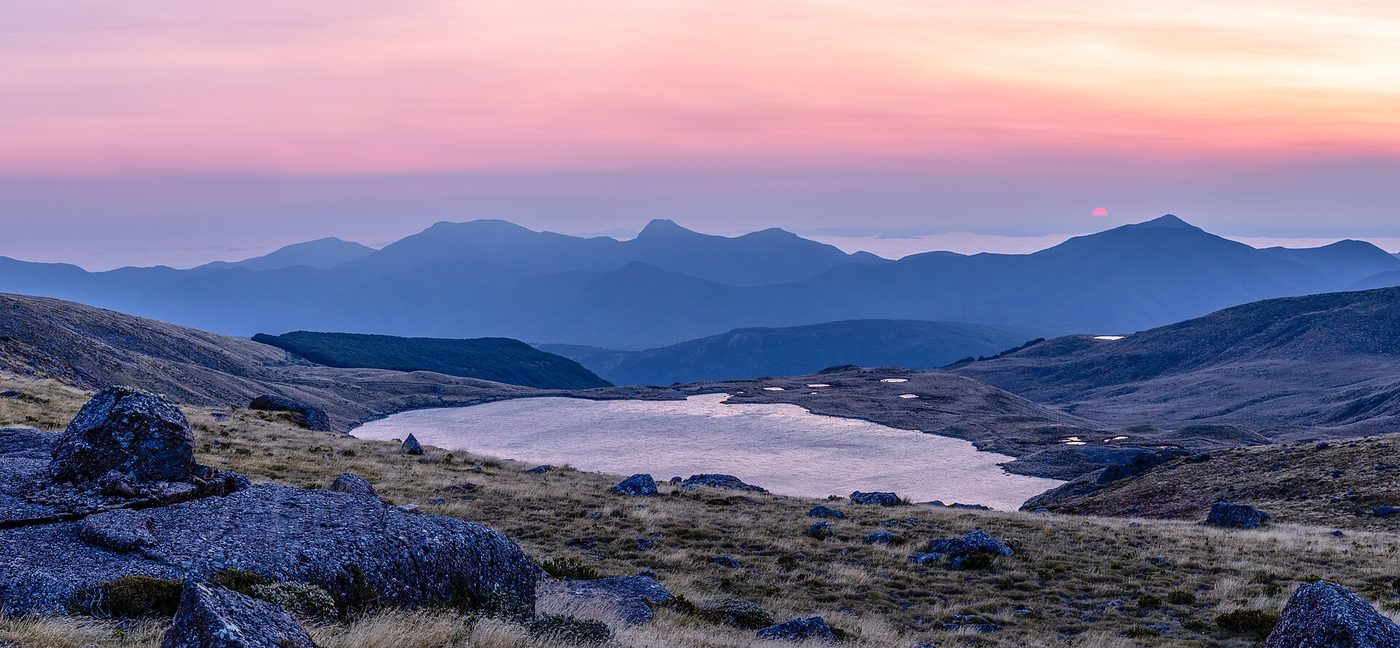
Many places are at their best not under harsh noon but in the two brief moments when the sky changes color. Sunrise and sunset bathe the scene in a soft light no other hour can give.
Catching those moments needs no expensive camera, only the willingness to rise early, to wait, and to know a few tricks. In return come minutes that make a whole trip memorable.
Pick a spot and know the sun’s times
Before you go, look up the sunrise and sunset times where you are headed, since they shift with the season and latitude. Arrive at least thirty minutes early to choose your spot and watch the whole change.
Sunrise suits an eastern view, sunset a western one, but the terrain decides the best spot. A rocky point, a bridge, a still lake can make the scene far more alive.
Asking locals for a good viewpoint often works better than searching online. They know corners that tourists rarely notice.
Understand the golden and blue hours
The hour after sunrise and before sunset is the golden hour, when the light is warm and soft and casts lovely long shadows. This is when every scene, and every person, looks their best.
After the sun sets comes the blue hour, some twenty minutes when the sky turns a dreamy violet-blue. Many people leave right after sunset and miss this moment.
Do not put your camera away too soon. The sky after sunset is often most vivid in the final minutes, when clouds reflect the last of the light.
A few tips for shooting on a phone
Tap the bright area on the screen so the phone meters correctly, avoiding a washed-out or pitch-black scene. Sliding the exposure down slightly often gives a richer sky.
Place the horizon a third of the way up the frame rather than dead center, and add a foreground element like a branch or a silhouette to give the photo depth.
Hold the phone very steady or brace it against something as it grows dark, since low light easily blurs shots. Wipe the lens before shooting; one smudge can ruin a backlit photo.
Prepare to wait in comfort
Chasing sunrise means waking while it is still dark and cold. Bring a light warm layer, a small flashlight, and sturdy shoes if you must walk to the viewpoint in the dark.
For sunset, plan your way back after dark. Knowing the path and carrying a light lets you stay to the last minute rather than rushing off.
A bottle of water, a small snack, and patience are enough. Sometimes it is cloudy and the beautiful moment never comes, and you learn to accept that nature does not follow your schedule.
Remember to lower the camera and truly watch
It is easy to shoot so much that you forget to look with your own eyes. Spend a few minutes simply standing still, breathing, and feeling the sky change, through no screen at all.
Those quiet minutes are what linger longest. A photo helps you remember, but the feeling of standing before a whole blazing sky is what you truly carry home.
Sunrise and sunset remind us of something gentle: every day the sky turns this beautiful twice, and the only question is whether we stop to look.
Chasing sunrise and sunset is not a race to capture a great photo but a lesson in patience and being there at the right time. When the sky changes color, you understand that the most beautiful things are often brief and worth waiting for.