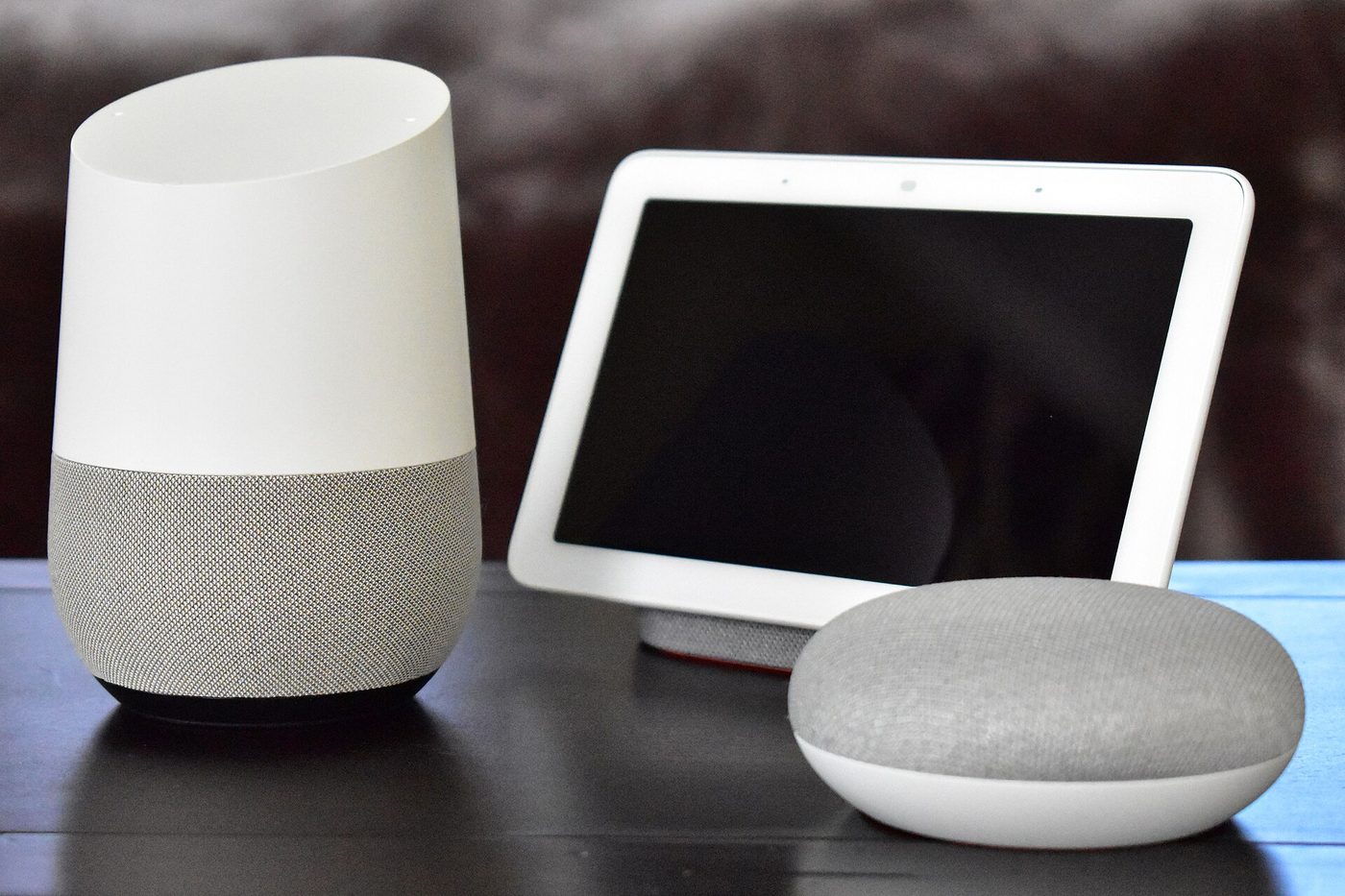
Anyone who has set up a smart home knows this frustration: brand A’s bulb refuses to talk to brand B’s plug, every device demands its own app, and you end up opening five apps just to turn off the lights before bed. That fragmentation held smart homes back for years.
Matter and Thread are two names mentioned often as the promise to clean up this mess. They are not products you buy, but underlying standards that let devices from different brands finally understand one another.
The problem they try to solve
In the past every smart home brand built a closed ecosystem. Devices worked well only within that brand’s system, and if you happened to mix several brands, connecting them became a configuration nightmare.
The result was users locked into one brand, or stuck with a home full of disconnected devices. Matter was created to break that lock-in, setting one common language for every device to follow no matter who made it.
Matter is the common language
Matter is a communication standard that lets smart home devices speak the same tongue. A Matter-enabled bulb can be controlled from several different platforms, instead of being tied to its own maker’s app.
This means you are free to mix brands by need and budget. Buy a plug from one brand, a sensor from another, lights from a third, all appearing in one control app of your choosing. That is Matter’s core promise.
Thread is the connection road
If Matter is the language, Thread is the road system for devices to pass messages to each other. It is a low-power wireless network where each mains-powered device can act as a relay, helping the signal spread throughout the home.
This mesh style is more resilient than the old approach that depended on a single central point. If one device fails, the others still find another route to stay connected. Battery-powered sensors also use less energy thanks to this design.
Where things stand today
A common standard sounds perfect on paper, but reality is still in transition. Many older devices do not support Matter and never will be updated. Some brands’ advanced features still sit outside the common standard.
Even so, the direction is clear. More and more new products carry the Matter label, and the setup experience is getting simpler. If you are just starting to build a smart home, favoring Matter-enabled devices is a safe choice for the future.
Advice when shopping
Do not rush to replace all your old devices just because a new standard exists. If your current system still works well, leave it alone and add Matter devices gradually as you need to expand.
When buying new, look for the Matter label on the box and check whether the device supports Thread if you want a stable network for battery sensors. A little attention at purchase time saves you from a house full of devices that refuse to cooperate later.
Matter and Thread are no magic that turns your home smart overnight, but they are steadily undoing this field’s biggest knot: the division between brands. For users, that is good news, because the future of the smart home promises to be far simpler and freer.