We often only realize how precious our ears are once we start struggling to hear clearly. In the rhythm of modern life, your ears take in all kinds of sound nonstop, from traffic on the street and noise at the office to music blasting through headphones. Most damage to hearing happens silently over many years, so we rarely pay it much attention.
The good news is that hearing can absolutely be cared for and protected through very simple habits. You do not need expensive equipment or deep expertise, just an understanding of what is quietly eroding your ears and the willingness to reduce it in daily life.
How Noise Harms Your Hearing
Inside your ears are tiny hair cells responsible for turning sound into signals for the brain. When exposed to very loud noise over a long period, these fragile cells get damaged and cannot repair themselves. That is why hearing loss caused by noise is often irreversible.
What is worth noting is that damage does not only come from sudden loud blasts, but also from prolonged exposure to moderately loud sound. An environment that stays noisy all day, even if it never reaches the point of hurting your ears, can still contribute to wearing down your hearing over time.
The Rule for Listening Safely Through Headphones
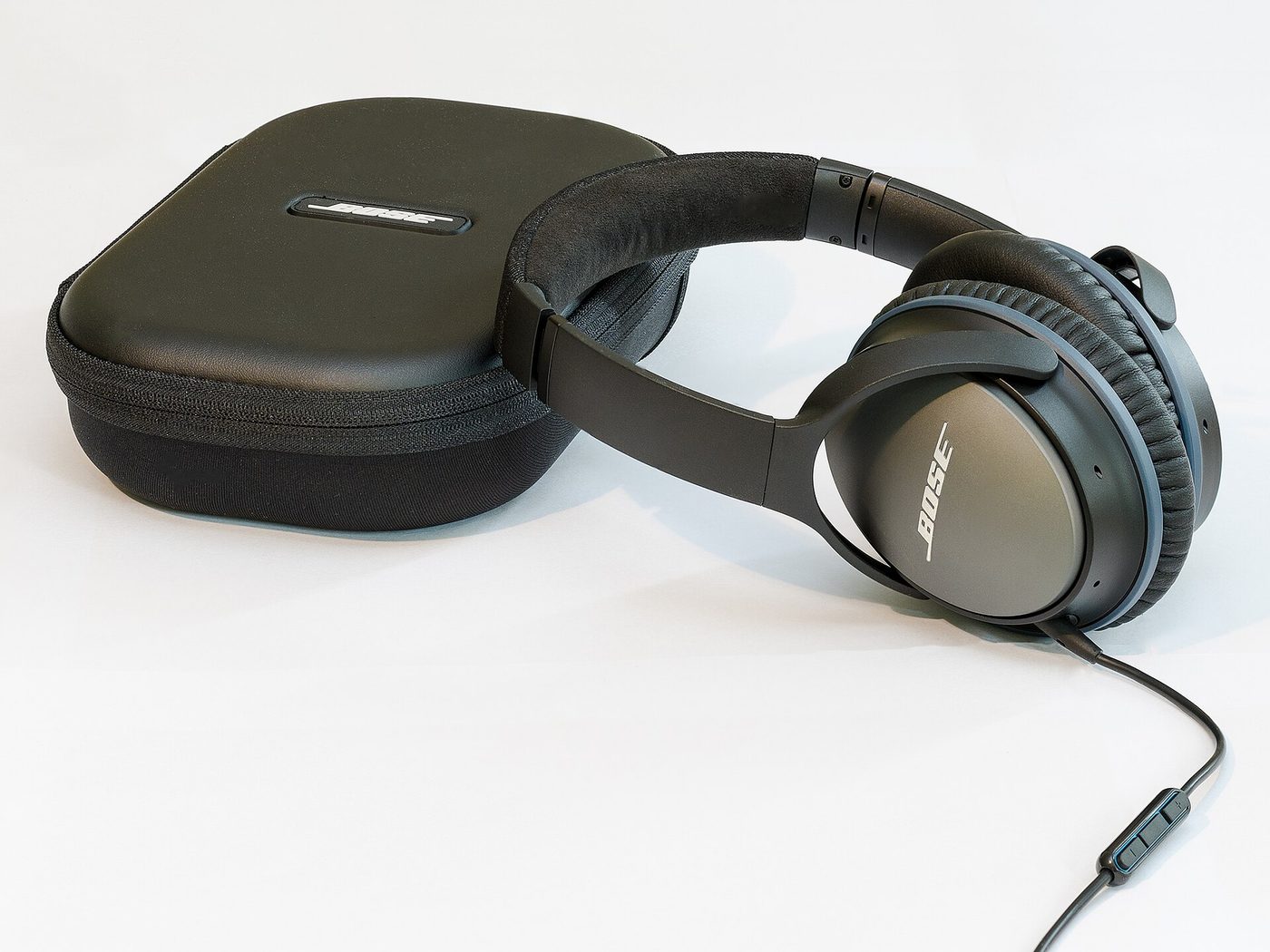
Headphones are a familiar companion, but they are also an easily overlooked source of risk. A simple way to remember is to keep the volume moderate and avoid listening continuously for too long. If someone next to you can clearly hear the music coming from your headphones, that is a sign you have them turned up too high.
Giving your ears regular rest matters just as much. After a stretch of listening, take the headphones off and let your ears enjoy some quiet for a while. Over-ear or noise-canceling headphones can help you hear clearly at a lower volume, because you do not have to crank it up to drown out the noise around you.
Recognizing the Signs Worth Watching For
There are a few signals that show your ears are being pushed too far. A ringing or buzzing sensation after leaving a noisy place is one of them. Frequently having to ask others to repeat themselves, or finding it hard to hear when there is a lot of background noise, is also worth paying attention to.
If you notice your ability to hear has changed, or ringing in your ears that lingers and will not go away, do not hesitate to see a doctor for a hearing check. Catching it early always makes care gentler, and a specialist can advise you specifically on your situation.
Creating Pockets of Quiet for Your Ears
In a day full of sound, your ears need rest too. Actively create moments of quiet, such as switching off sound-producing devices when you do not truly need them, or spending a few minutes sitting in a still space. Quiet is not only good for your ears but also helps your mind relax.
If your work forces you into a noisy environment, using earplugs or dedicated protective gear is entirely the right thing to do, with nothing to be embarrassed about. Protecting your ears is as ordinary as wearing a helmet or putting on sunglasses; it is how you safeguard a precious sense.
Caring for Your Ears Properly Every Day
Many people have a habit of poking their ears with cotton swabs, but this often pushes earwax deeper and can cause injury. Ears have a self-cleaning mechanism, so most of the time you only need to gently wipe the outside. If your ear feels blocked or uncomfortable, let a doctor handle it rather than digging in yourself.
Keeping your ears dry after swimming or bathing also helps prevent ear problems. Caring for your hearing does not have to be elaborate; you just need to treat your ears gently and not ignore any unusual signs.
Your ears work quietly throughout your whole life to connect you with the sounds of the world and the voices of the people you love. Give them the attention they deserve by lowering the volume, creating pockets of quiet, and listening to your body. A little attention today is the gift you send to your ears many years from now.