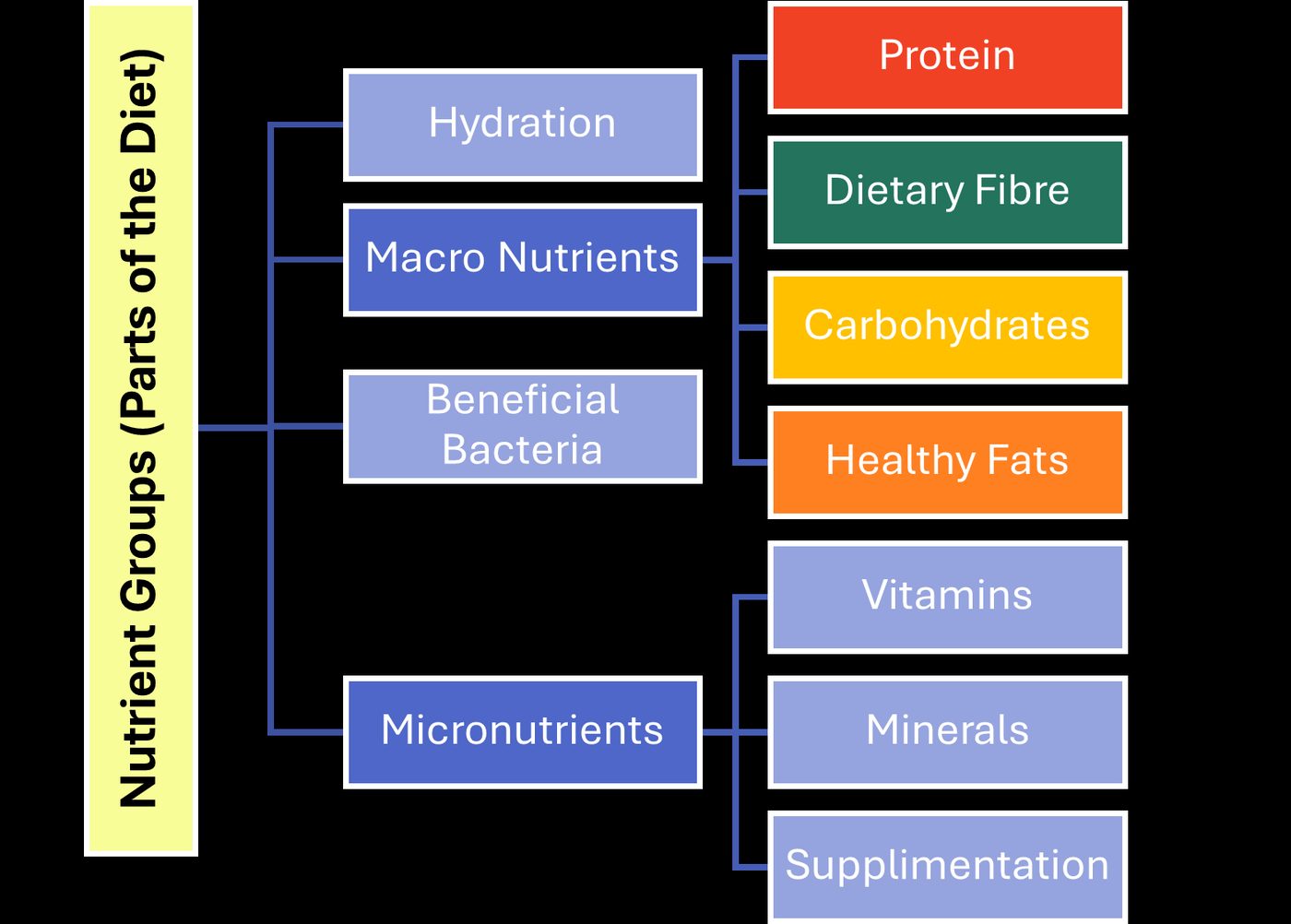
When protein comes to mind, most of us immediately think of meat, fish, and eggs. But the plant world also offers abundant protein that is gentler on the digestive system. Eating more plant protein does not mean giving up meat and fish; it means enriching your meals and balancing your nutrition.
If you want to eat lighter, save money, or simply change things up, getting familiar with protein sources from beans, seeds, and grains opens up plenty of interesting options for your kitchen.
Familiar Plant Protein Sources
Beans of all kinds are the easiest and cheapest plant protein source. Soybeans and their products like tofu, soy milk, and tofu skin are all protein-rich. Alongside them, mung beans, black beans, red beans, and chickpeas are both high in protein and rich in fiber.
Besides beans, seeds and nuts like lotus seeds, cashews, almonds, and pumpkin seeds, along with whole grains and some leafy green vegetables, also contribute protein. Once you know how to combine them in your meals, you will not have to worry about falling short at all.
Combining for More Complete Protein
Plant protein sometimes lacks the full set of needed components that animal protein has, but this is easily solved by combining several groups together. A classic and effective approach is eating beans with grains, such as rice with beans, or bread with a bean dish.
You do not need to calculate too meticulously at every meal. As long as over the course of the day you eat a variety of beans, seeds, grains, and vegetables, your body will gather everything it needs. Variety in food choices is the key.
Cooking Tips for Better Flavor
Plant protein is sometimes dismissed as bland or unappealing, but that is usually down to how it is prepared. Tofu, for instance, if pressed dry, marinated well, then fried golden or pan-seared, is far tastier than simply boiled. Beans and legumes should be soaked and cooked thoroughly until soft and nutty.
Seasoning and combinations matter too. Adding a bit of fried shallots, soy sauce, ginger and garlic, or fresh herbs helps a vegetarian dish come alive and taste rich. Do not be shy about seasoning and presenting plant protein as appealingly as you would meat and fish.
Notes for Your Digestion
Beans and seeds are good but rich in fiber, and eating a lot of them suddenly can cause bloating and discomfort for those not used to it. The wise approach is to increase the amount gradually so your body has time to adapt, rather than changing your diet too quickly.
Soaking beans before cooking and cooking them thoroughly also helps reduce that bloated feeling. Drinking enough water throughout the day is advisable when you eat a lot of fiber, so digestion goes more smoothly.
Bringing Plant Protein Into Your Weekly Meals
You do not need to become a vegetarian to benefit from plant protein. Just aim for a few meals a week where you swap meat for tofu, legumes, or grain-based dishes, and you have already made your meals more balanced and lighter.
Start with simple dishes the whole family enjoys, like tofu in tomato sauce, bean soup, or a salad tossed with various seeds. Once you get used to it, you will naturally expand your menu and find that eating more vegetables and beans becomes easy and enjoyable.
Adding plant protein is a gentle way to make meals more varied, good for your health and your wallet. You do not need to change everything at once, just start with a few favorite dishes and expand gradually. Balanced eating is a slow and thoroughly enjoyable journey.