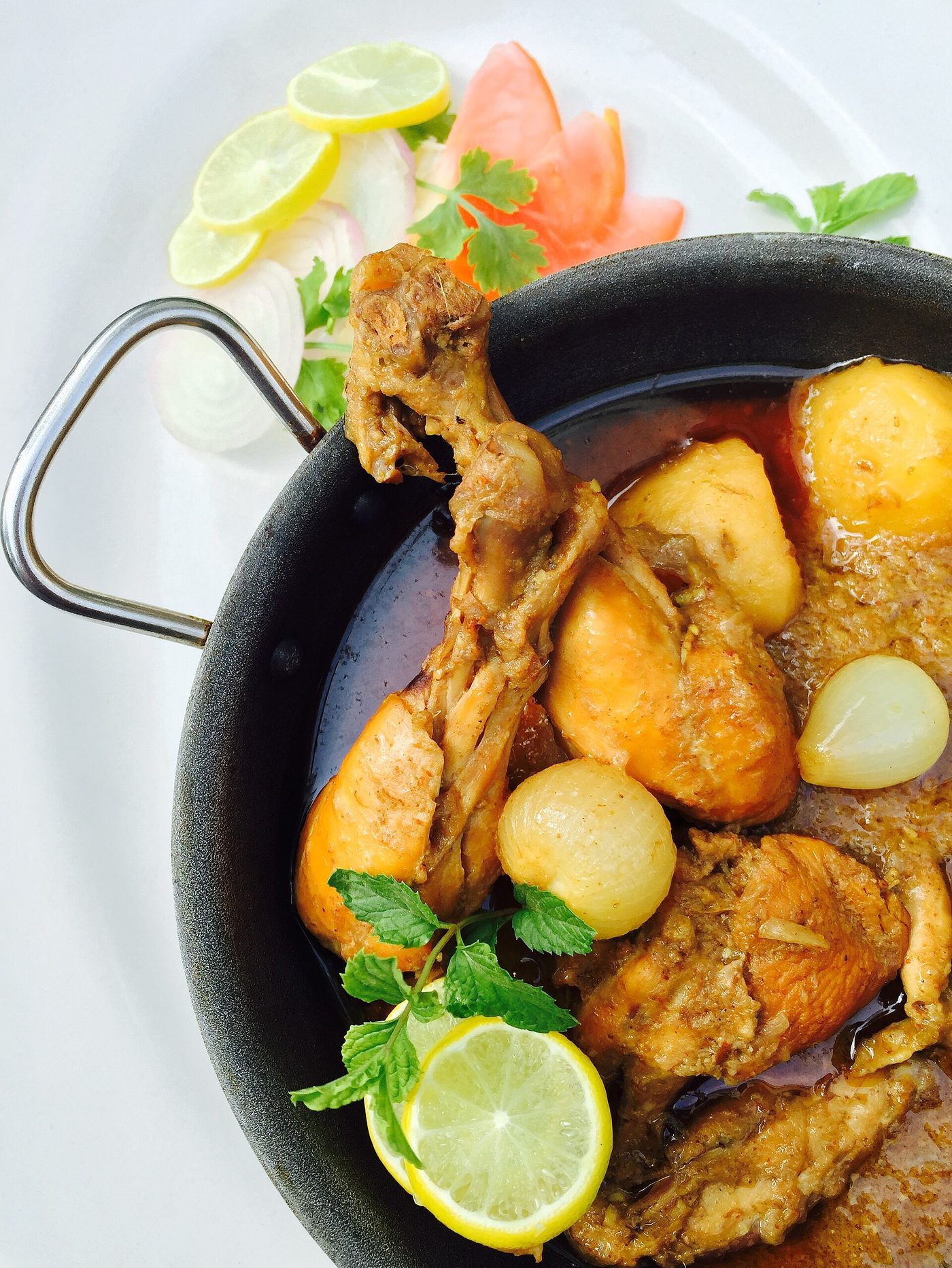
With the same cut of meat or the same fish, one cook turns out something rich, tender, and sweet, while another ends up with something bland or dry. The difference lies largely in the marinating, a step that seems simple but decides the very soul of the dish. Marinating well lets the seasonings sink deep, makes the meat and fish more tender, and brings out an irresistible aroma.
You don’t need an elaborate recipe or expensive ingredients. Just understand a few principles about timing, order, and the right seasonings, and your everyday meals can taste as good as they do at a restaurant.
Add Seasonings in the Right Order
The order in which you add seasonings while marinating greatly affects how well they penetrate. An easy rule to remember is to add the dry and granular ones first, such as pepper, sugar, and seasoning powder, so they have time to dissolve and cling to the meat. Then come the liquids like fish sauce and soy sauce, and finally the cooking oil to lock in moisture.
As for salt and salty seasonings, adding them too early and in large amounts can draw out water, leaving the meat watery and dry. So for dishes that need to stay juicy, consider easing up on the salt or shortening the marinating time.
Marinating Time Depends on the Ingredient
It isn’t true that the longer you marinate, the better. Thinly sliced meat and fish, small fish, or seafood need only fifteen to thirty minutes to absorb flavor. Marinating too long, especially with seafood, can leave the flesh mushy and strip away its natural fresh sweetness.
On the other hand, thick cuts like braised meat or a whole slab for grilling need more time, perhaps a few hours or overnight in the fridge, so the seasoning can reach all the way inside. When marinating for a long time, cover it tightly and keep it in the refrigerator to stay food-safe.
Use Natural Ingredients to Tenderize the Meat
Many familiar kitchen ingredients can help tenderize meat naturally. A little fruit juice such as pineapple or kiwi, yogurt, or ginger juice all work to soften the meat fibers while marinating. They are especially useful for tougher cuts.
That said, use them in moderation and don’t marinate too long with these ingredients, because overdoing it will leave the meat falling apart and losing its texture. The safe approach is to test with a small amount first to find the ratio that suits your family’s taste.
Don’t Skip the Aromatics
Beyond salty and sweet, it is the aromatic seasonings that give a dish its distinct character. Finely chopped shallot, garlic, ginger, lemongrass, or a bit of ground pepper all help cut through fishy odors and release fragrance during cooking. With fish, adding a little ginger or dill masks the fishy smell very effectively.
You can saute part of the shallot and garlic until fragrant and mix it into the marinade for a deeper aroma, leaving the rest raw for a fresh note. This combination gives the dish layers of flavor without needing many complicated seasonings.
Let the Meat Rest Before Cooking and After It’s Done
After marinating, if the meat has just come out of the fridge, let it sit at room temperature for a while before cooking. Meat that is too cold meeting high heat cooks unevenly, burning on the outside while still raw inside. This small resting step helps the dish cook evenly and taste better.
For grilled or pan-seared dishes, once cooked you should also let the meat rest a few minutes before slicing. At this point the juices stay in the meat instead of running out onto the board, giving you a juicier, more flavorful bite.
Marinating is a small step but it holds all the artistry of the cook. When you pay attention to order, timing, and the harmony of the seasonings, even ordinary meat and fish become memorably rich. Try adjusting gradually to your family’s taste, and you’ll discover the recipe that pleases you most.