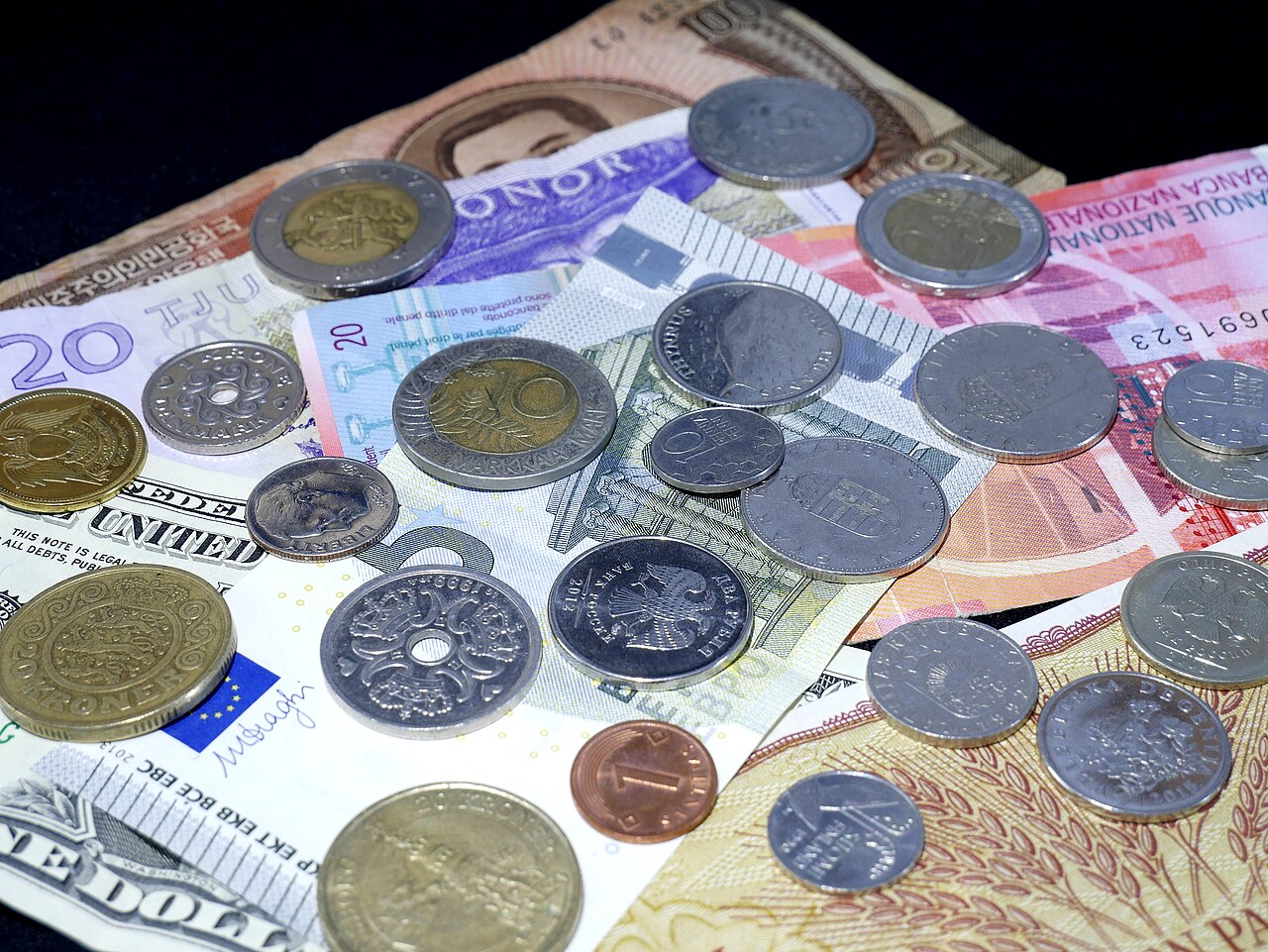
Borrowing money is a topic that stirs much debate. Some see all debt as bad and to be avoided at any cost, while others borrow so easily that it becomes a dangerous habit. Both extremes miss the core point: borrowing money is in itself neither good nor bad; it depends on what you borrow for and under what circumstances.
A loan taken at the right time for the right purpose can be a tool that helps you move forward, such as when it enables something of lasting value that you’d struggle to obtain if you waited to save up enough. But a mistaken loan can drag you into a spiral of debt for years. Knowing how to distinguish between the two is one of the most important financial skills anyone should develop.
Distinguish Borrowing to Create Value From Borrowing to Consume
A useful way to think about a loan is to ask whether it creates lasting value or merely serves immediate consumption. Borrowing to acquire a durable asset, a foundation for your work, or something that enhances your earning ability is usually the kind of loan that can be justified, because it has the potential to give back more than it costs.
Conversely, borrowing to pay for things that quickly lose value or bring only fleeting pleasure is usually the kind of loan to avoid. When you borrow to buy something that will lose its value before you’ve paid it off, you’re paying interest on a pleasure already gone. This distinction isn’t always absolute, but it’s a good starting point for evaluating a borrowing decision.
Borrow for Truly Necessary Situations
There are situations where borrowing is sensible, even the wise choice. That’s when you need a large sum for an important purpose with lasting value, and waiting to save up enough would make you miss an opportunity or suffer a significant loss. In these cases, the loan acts as a bridge that helps you achieve something worthwhile.
However, even when borrowing is sensible, you still need to ensure the repayment is truly within your means, accounting for situations where income might drop. A good loan is one you can repay comfortably without sacrificing your financial security. If repaying it leaves your life stressed every month, then no matter how good the purpose, the loan’s size has probably exceeded your capacity.
The Loans to Stay Away From
There are kinds of loans you should treat with great caution or avoid entirely. These are borrowing to pay for momentary wants, borrowing to keep up with others’ lifestyles, or borrowing to plug one debt while the root problem remains unsolved. These loans don’t move you forward; they only dig your financial hole deeper.
Especially dangerous are the easy loans with very high interest, often advertised attractively and disbursed quickly. Their convenience masks the steep price behind them, and they can rapidly turn a temporary difficulty into a lasting burden. When considering borrowing, be especially wary of anything that sounds too easy, because that ease usually comes at the price of high interest.
Ask Yourself the Important Questions Before Borrowing
Before deciding to borrow, there are a few questions worth answering honestly. Am I borrowing for this because I truly need it, or just because I want it now? If I don’t borrow, could I wait and save up instead? Is the repayment truly within my means even if things change? And if the worst happens, how will I cope?
These questions force you to look squarely at the nature of the decision instead of chasing the emotion of wanting it now. If, after answering honestly, you still find the loan sensible and within your control, then it’s a well-grounded decision. But if the answers reveal shakiness, that’s a sign to stop and reconsider. Being honest with yourself at this step is crucial.
Weigh the True Cost of Borrowing
Every loan has its price, and that price is the extra interest you pay. Before borrowing, clearly picture the total amount you’ll pay over the life of the loan, not just the sum you receive upfront. Sometimes, looking at the total cost, you’ll realize the item or goal is actually far more expensive than you thought.
Looking at the true cost helps you make a balanced decision. You might find that waiting longer to reduce how much you need to borrow is worth it, or that this goal isn’t worth carrying such large interest. You might also conclude that the value it brings far outweighs the cost, and then you borrow with full understanding. What matters is that the decision is made with eyes open, not in the dark.
Keep Debt at a Level You Always Control
Even with justified loans, keeping your total debt at a level you always control is key. When debts pile up to the point where most of your income goes to repaying them, you lose flexibility and become fragile before any disruption. Even a small income shock can push you into crisis.
So always keep debt within a safe limit relative to your capacity, and prioritize keeping a buffer for the unexpected. A good debt manager isn’t someone who never borrows, but someone who always knows exactly how much they owe, how much they can repay, and never lets debt slip out of hand. This control is the line between using debt as a tool and being controlled by it.
Borrowing money is a tool, and like any tool, its value lies in how it’s used. Used at the right time and place, a loan can help you achieve worthwhile things. Used wrongly, it becomes a chain that binds you for years. The difference lies in your ability to distinguish and your honesty with yourself.
The next time you face a borrowing decision, stop and ask yourself whether this loan moves you forward or pulls you back. The honest answer will guide you to a wise decision.