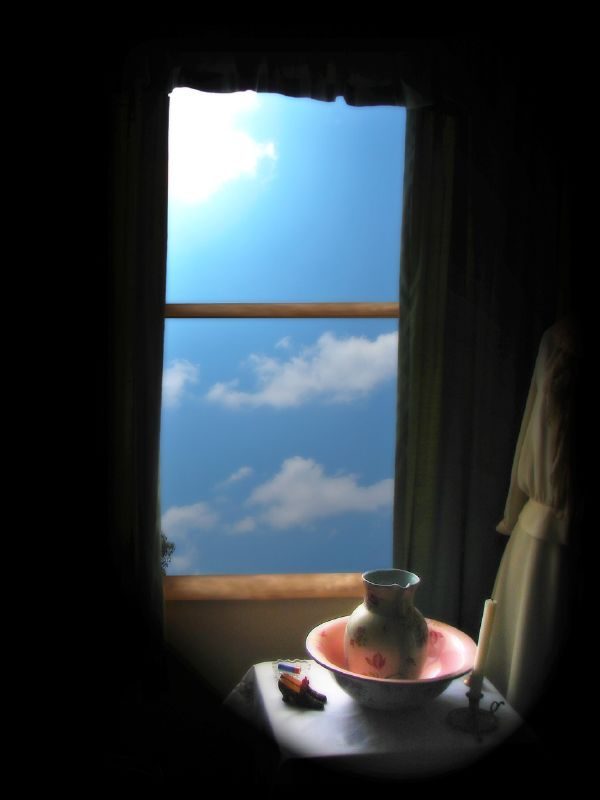
Before electric light, people woke with the dawn and rested when darkness fell. The body still keeps that rhythm, driven largely by the light our eyes take in.
Today we live among electric lights and glowing screens day and night, which easily throws the body clock off. Understanding the link between light and sleep helps you support this natural rhythm.
How the body clock works
The body runs on a roughly twenty-four hour rhythm that regulates sleep, alertness, and many other functions. Light is the main signal telling this clock when it’s day and when it’s night.
When it gets dark, the body releases melatonin, the signal that it’s time to rest. Strong light, especially blue light, can slow this process and make it hard to feel sleepy.
Catch daytime light
Getting natural light in the morning helps reset your body clock and reinforces alertness for the day. Just stepping outside for a few minutes or sitting near a bright window helps.
Ample daytime light also helps the body clearly tell day from night. This indirectly helps you feel sleepy at the right time when night comes.
Dim strong light in the evening
In the evening, soften your space with warm, dimmer light. Overly bright or cool white light can make the body think it’s still daytime and delay sleepiness.
Cutting back on phone and computer screens about an hour before bed is a habit worth trying. If you must use them, lowering brightness and turning on a warm light mode helps.
Keep the bedroom dark enough
A dark bedroom helps the body maintain melatonin and sleep more deeply. Light leaking in from streetlights, device indicators, or your phone can disrupt sleep without your realizing it.
Blackout curtains, turning off indicator lights, or using an eye mask are simple ways to create darkness. A dark, quiet space is a gift for quality sleep.
Keep a steady rhythm each day
Going to bed and waking at roughly fixed times keeps your body clock stable. A steady rhythm lets the body know when to feel sleepy and when to be alert.
Even on days off, trying not to shift your schedule too much helps. A life in tune with the light-dark cycle is the foundation for good sleep over the long run.
Respecting the natural light-dark rhythm is a gentle yet effective way to improve sleep. If you’ve adjusted your light and habits but still struggle to sleep for a long time, talk to a doctor to find the cause.