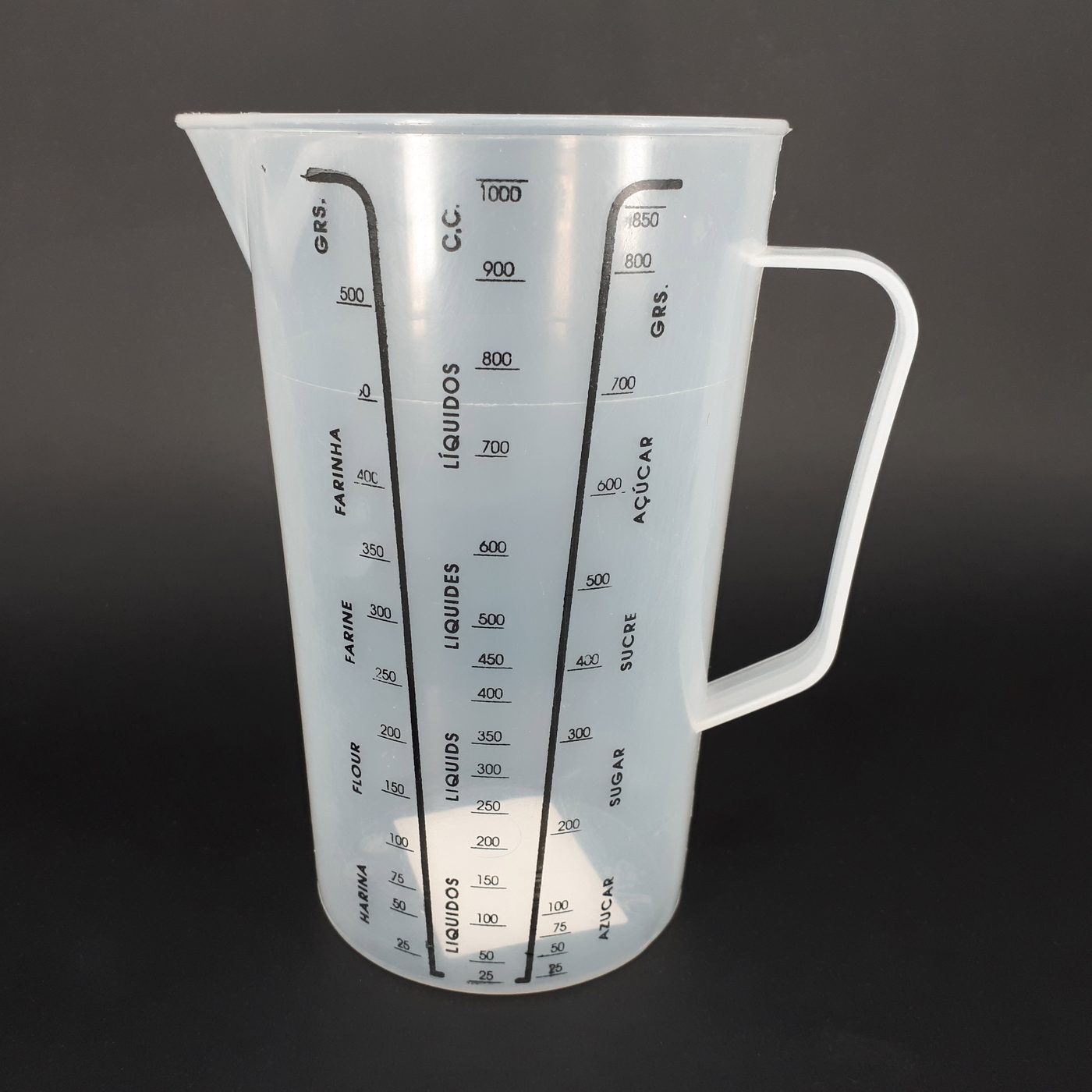
Some cooks never need a recipe, because a few foundational ratios already live in their heads. When you understand the nature of these numbers, you cook by feel yet stay consistent, and can improvise with any ingredient.
Measuring isn’t a cage on creativity but a footing to start from. This piece introduces a few easy ratios and why they’re worth committing to memory.
Why Ratios Matter More Than Recipes
A recipe is right for one specific dish, while a ratio is right for a whole family of dishes. Knowing the water-to-rice ratio, for instance, lets you cook any amount of rice, big pot or small, without looking it up.
Grasping ratios frees you from feeling dependent on recipes and lets you cook with understanding. It’s the shift from following instructions to truly mastering the kitchen.
Ratios for Rice and Grains
For ordinary white rice, an easy ratio is about one part rice to one and a half parts water, adjusted slightly by variety. Brown rice needs more water and longer cooking because of its tough outer bran.
Other grains like oats and quinoa have their own water ratios, but the general principle is the harder the grain, the more water and time it needs. Note the ratio you like for each so you don’t guess next time.
Ratios for Dressings and Dipping Sauces
A basic vinaigrette runs three parts oil to one part acid, while a Vietnamese sweet-and-sour dipping sauce balances parts of fish sauce, sugar, acid, and water to taste. Remember this framework and you’ll mix a solid sauce without fussy measuring.
From the basic framework, taste and adjust to suit the dish and your household’s palate. The ratio is a starting point, but your tongue makes the final call.
Estimating with the Tools at Hand
You won’t always have a scale, so knowing how to estimate with spoons, cups, or your own hands is handy. A teaspoon of salt, a fistful of greens, a knuckle of ginger are familiar and convenient units.
The more you cook, the more accurate your estimating sense becomes. Don’t hesitate to season a little at a time and taste again, since adding is easy but taking away is hard.
Keeping Notes to Refine Over Time
Whenever you cook something you love, note the ratio and adjustments you made so you can repeat it. This little kitchen notebook slowly becomes your own recipe store, tuned best to your household.
Conversely, when a dish falls short, noting what to fix is just as valuable. Cooking is a continuous learning process, and the numbers you work out yourself are the most valuable lesson of all.
Grasping a few basic ratios gives you a compass to roam the whole kitchen without getting lost. Keep memorizing and refining, and the day will come when you cook by feel yet every dish comes out just right, every time.